Blisters Between Toes and Their Causes

Foot blisters between the toes are fluid-filled pockets that form when the skin becomes irritated or damaged. They often appear as small, tender bumps that can feel sore when walking or wearing shoes. This condition happens when friction, moisture, or irritation weakens the skin barrier. Common causes include tight footwear, excessive sweating, allergic reactions to materials, and fungal infections that weaken skin health. Risk factors include long periods of walking, poor shoe ventilation, and warm, humid environments that encourage moisture buildup. Over time, these blisters may become more painful or prone to infection if the skin breaks. A podiatrist can evaluate the underlying cause, check for infection or fungal involvement, and provide treatment to protect the skin and support healing. If you have blisters between your toes, it is suggested that you consult a podiatrist who can offer effective relief tips.

Blisters may appear as a single bubble or in a cluster. They can cause a lot of pain and may be filled with pus, blood, or watery serum. If your feet are hurting, contact Dr. Joshua David Scoll of Pennsylvania. Our doctor can provide the care you need to keep you pain-free and on your feet.

Foot Blisters

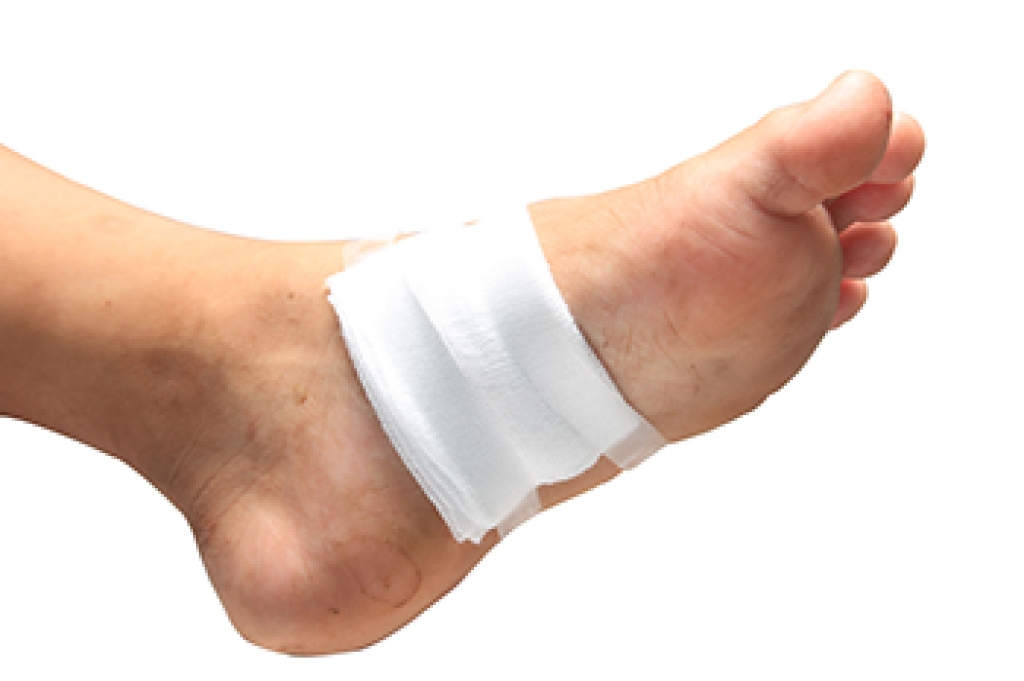
Foot blisters are often the result of friction. This happens due to the constant rubbing from shoes, which can lead to pain.

What Are Foot Blisters?

A foot blister is a small fluid-filled pocket that forms on the upper-most layer of the skin. Blisters are filled with clear fluid and can lead to blood drainage or pus if the area becomes infected.

Symptoms

(Blister symptoms may vary depending on what is causing them)

  • Bubble of skin filled with fluid
  • Redness
  • Moderate to severe pain
  • Itching

Prevention & Treatment

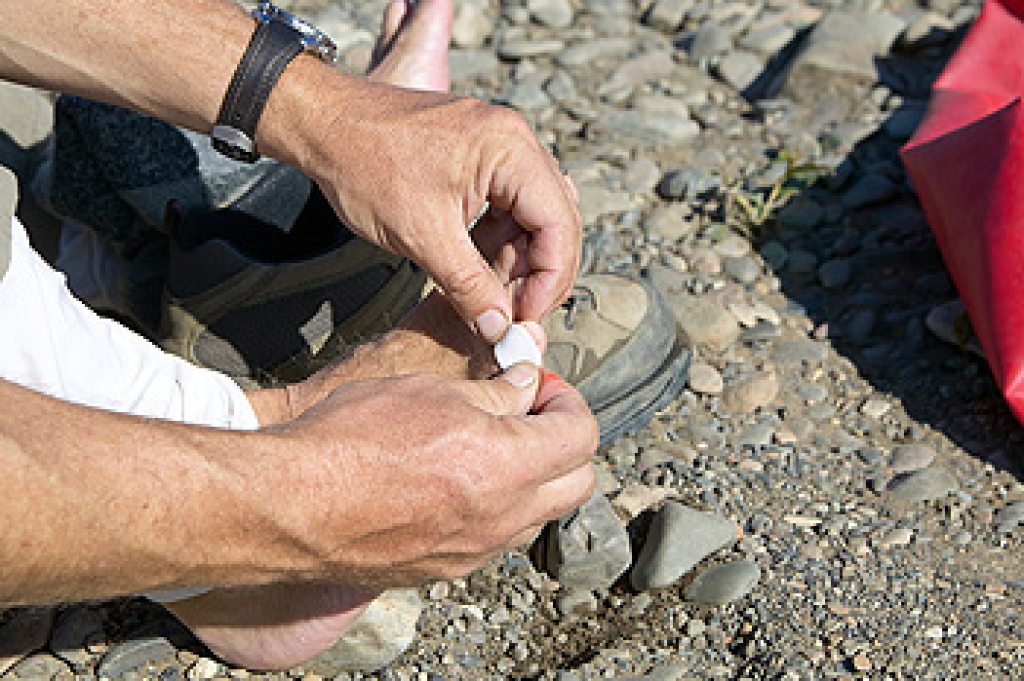
In order to prevent blisters, you should be sure to wear comfortable shoes with socks that cushion your feet and absorb sweat. Breaking a blister open may increase your chances of developing an infection. However, if your blister breaks, you should wash the area with soap and water immediately and then apply a bandage to the affected area. If your blisters cause severe pain it is important that you call your podiatrist right away.

If you have any questions, please feel free to contact one of our offices located in Philadelphia, Bensalem . We offer the newest diagnostic and treatment technologies for all your foot care needs.
Read more about Blisters

Flat Foot Surgery and What to Consider

Flat feet is a condition where the arch of the foot collapses, causing the sole to rest flat on the ground. This can develop from genetics, tendon dysfunction, injury, or gradual wear. When symptoms like pain, instability, or difficulty walking become severe, foot surgery may be considered. Flat foot reconstruction can involve repairing tendons, realigning bones, or placing supportive implants to restore the arch. The benefits may include improved stability, reduced pain, and better function. However, surgery also carries risks, such as recovery time, swelling, and possible complications. A podiatrist carefully evaluates each case, orders imaging, and determines whether conservative care or surgical correction is appropriate. If flat feet are affecting your mobility or comfort, it is strongly suggested that you visit a podiatrist to explore treatment options.

Foot surgery is sometimes necessary to treat a foot ailment. To learn more, contact Dr. Joshua David Scoll of Pennsylvania. Our doctor will assist you with all of your foot and ankle needs.

When Is Surgery Necessary?

Foot and ankle surgery is generally reserved for cases in which less invasive, conservative procedures have failed to alleviate the problem. Some of the cases in which surgery may be necessary include:

  • Removing foot deformities like bunions and bone spurs
  • Severe arthritis that has caused bone issues
  • Cosmetic reconstruction

What Types of Surgery Are There?

The type of surgery you receive will depend on the nature of the problem you have. Some of the possible surgeries include:

  • Bunionectomy for painful bunions
  • Surgical fusion for realignment of bones
  • Neuropathy decompression surgery to treat nerve damage

Benefits of Surgery

Although surgery is usually a last resort, it can provide more complete pain relief compared to non-surgical methods and may allow you to finally resume full activity.

Surgical techniques have also become increasingly sophisticated. Techniques like endoscopic surgery allow for smaller incisions and faster recovery times.

If you have any questions, please feel free to contact one of our offices located in Philadelphia, Bensalem . We offer the newest diagnostic and treatment technologies for all your foot care needs.

Read more about Foot Surgery

Gout Pain Can Be Managed

Gout is a painful, inflammatory form of arthritis. Those affected will typically feel an intense stiffness in the joints of their feet, particularly in the big toe. Schedule a visit to learn about how gout can be managed and treated.

Heel Pain May Be Linked to Ankylosing Spondylitis

Ankylosing spondylitis is a long-term form of arthritis that causes inflammation in the body. It often affects the spine, but it can also involve the feet. This condition includes inflammation where tendons attach to bone and can lead to heel pain. The plantar fascia, a thick band of tissue on the bottom of the foot, may become irritated and cause discomfort while walking. The Achilles tendon at the back of the heel can also become inflamed, leading to stiffness and swelling. Some people notice pain after rest or during the first steps of the day. Such ongoing inflammation may affect foot movement and balance. A podiatrist can evaluate foot pain and order imaging to confirm the diagnosis. Treatment options include custom orthotics, bracing, and targeted treatment to reduce strain. If you have foot problems as a result of ankylosing spondylitis, it is suggested that you schedule an appointment with a podiatrist for a diagnosis and appropriate treatment.

When dealing with systemic disease of the feet, it is extremely important to check the affected areas routinely so that any additional problems are caught quickly.  If you have any concerns about your feet and ankles contact Dr. Joshua David Scoll from Pennsylvania. Our doctor will assist you with all of your podiatric needs.

Systemic Diseases of the Feet

Systemic diseases affect the whole body, and symptoms usually are displayed in the feet. This condition can make a patient’s ability to walk unbearable.  Systemic diseases include gout, diabetes mellitus, neurological disorders, and arthritis.

Gout – is caused by an excess of uric acid in the body. Common symptoms include pain, inflammation, and redness at the metatarsal/phalangeal joint of the base big toe. Gout can be treated by NSAIDs to relieve pain and inflammation, and other drugs that lower the acid levels in the body.

Diabetes mellitus – is an increase in the level of blood sugar that the body cannot counteract with its own insulin. Failure to produce enough insulin is a factor in Diabetes.

Diabetes of the Feet

Diabetic Neuropathy – may lead to damaged nerves and affect the feet through numbness and loss of sensation.

Peripheral Vascular Disease – can restrict the blood flow to the feet, and often times lead to amputation of the feet. 

If you have any questions please contact one of our offices located in Philadelphia, Bensalem . We offer the newest diagnostic and treatment technologies for all your foot and ankle needs.

Read more about Systemic Diseases of the Foot

Understanding Cuboid Syndrome

Cuboid syndrome affects a small bone on the outer side of the foot, called the cuboid. This bone helps the foot move and stay stable when walking. In cuboid syndrome, the bone shifts slightly out of its normal position. This can cause pain along the outside of the foot and make it hard to stand or walk comfortably. The problem often happens after an ankle sprain or from repeated stress from running or jumping. Cuboid syndrome can also be linked to having flat feet or tight muscles in the lower leg. A podiatrist can examine the foot, check how it moves, and use imaging to confirm the cause of the pain. Treatment plans include gently guiding the bone back into place and using supportive devices. This includes items like braces, shoe inserts, or padding that help hold the foot in a stable position and reduce strain. If you have symptoms of cuboid syndrome, it is suggested that you make an appointment with a podiatrist for help.

Foot Pain

Foot pain can be extremely painful and debilitating. If you have a foot pain, consult with Dr. Joshua David Scoll from Pennsylvania. Our doctor will assess your condition and provide you with quality foot and ankle treatment.

Causes

Foot pain is a very broad condition that could be caused by one or more ailments. The most common include:

  • Bunions
  • Hammertoes
  • Plantar Fasciitis
  • Bone Spurs
  • Corns
  • Tarsal Tunnel Syndrome
  • Ingrown Toenails
  • Arthritis (such as Gout, Rheumatoid, and Osteoarthritis)
  • Flat Feet
  • Injury (from stress fractures, broken toe, foot, ankle, Achilles tendon ruptures, and sprains)
  • And more

Diagnosis

To figure out the cause of foot pain, podiatrists utilize several different methods. This can range from simple visual inspections and sensation tests to X-rays and MRI scans. Prior medical history, family medical history, and any recent physical traumatic events will all be taken into consideration for a proper diagnosis.

Treatment

Treatment depends upon the cause of the foot pain. Whether it is resting, staying off the foot, or having surgery; podiatrists have a number of treatment options available for foot pain.

If you have any questions, please feel free to contact one of our offices located in Philadelphia, Bensalem . We offer the newest diagnostic and treatment technologies for all your foot care needs.

Read more about Foot Pain

Connect With Us