Understanding Cuboid Syndrome

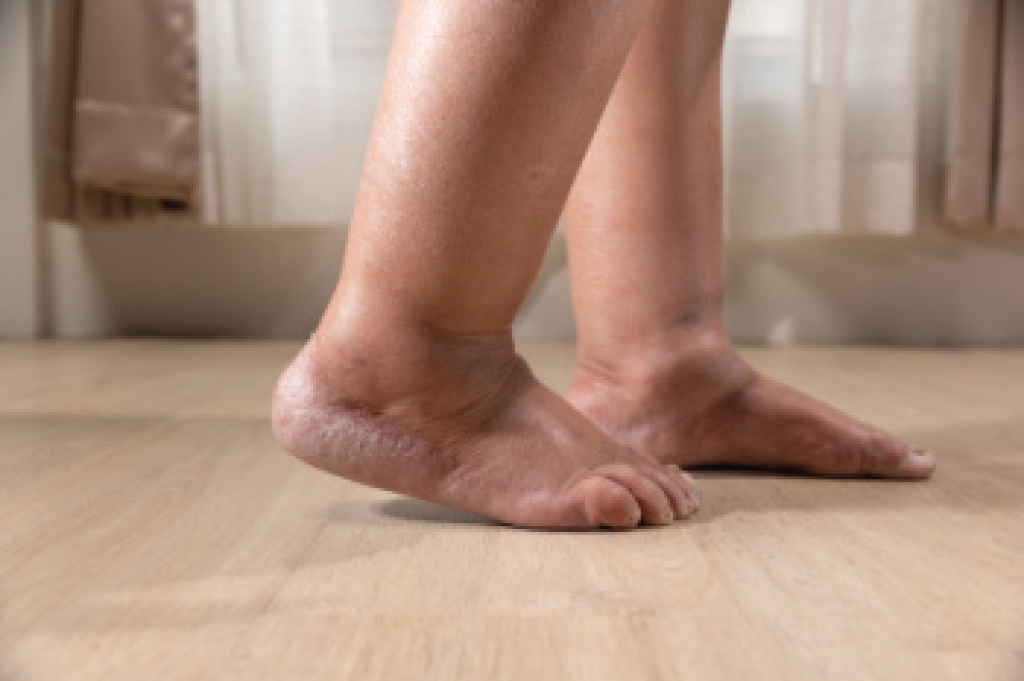
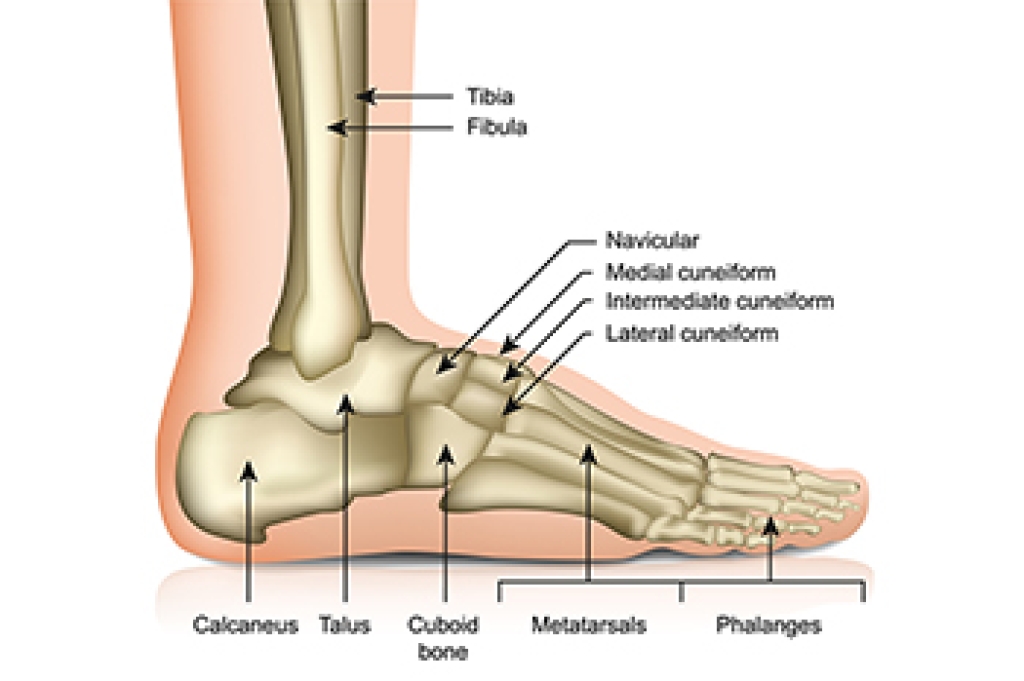
Cuboid syndrome affects a small bone on the outer side of the foot, called the cuboid. This bone helps the foot move and stay stable when walking. In cuboid syndrome, the bone shifts slightly out of its normal position. This can cause pain along the outside of the foot and make it hard to stand or walk comfortably. The problem often happens after an ankle sprain or from repeated stress from running or jumping. Cuboid syndrome can also be linked to having flat feet or tight muscles in the lower leg. A podiatrist can examine the foot, check how it moves, and use imaging to confirm the cause of the pain. Treatment plans include gently guiding the bone back into place and using supportive devices. This includes items like braces, shoe inserts, or padding that help hold the foot in a stable position and reduce strain. If you have symptoms of cuboid syndrome, it is suggested that you make an appointment with a podiatrist for help.

Foot Pain

Foot pain can be extremely painful and debilitating. If you have a foot pain, consult with Dr. Joshua David Scoll from Pennsylvania. Our doctor will assess your condition and provide you with quality foot and ankle treatment.

Causes

Foot pain is a very broad condition that could be caused by one or more ailments. The most common include:

  • Bunions
  • Hammertoes
  • Plantar Fasciitis
  • Bone Spurs
  • Corns
  • Tarsal Tunnel Syndrome
  • Ingrown Toenails
  • Arthritis (such as Gout, Rheumatoid, and Osteoarthritis)
  • Flat Feet
  • Injury (from stress fractures, broken toe, foot, ankle, Achilles tendon ruptures, and sprains)
  • And more

Diagnosis

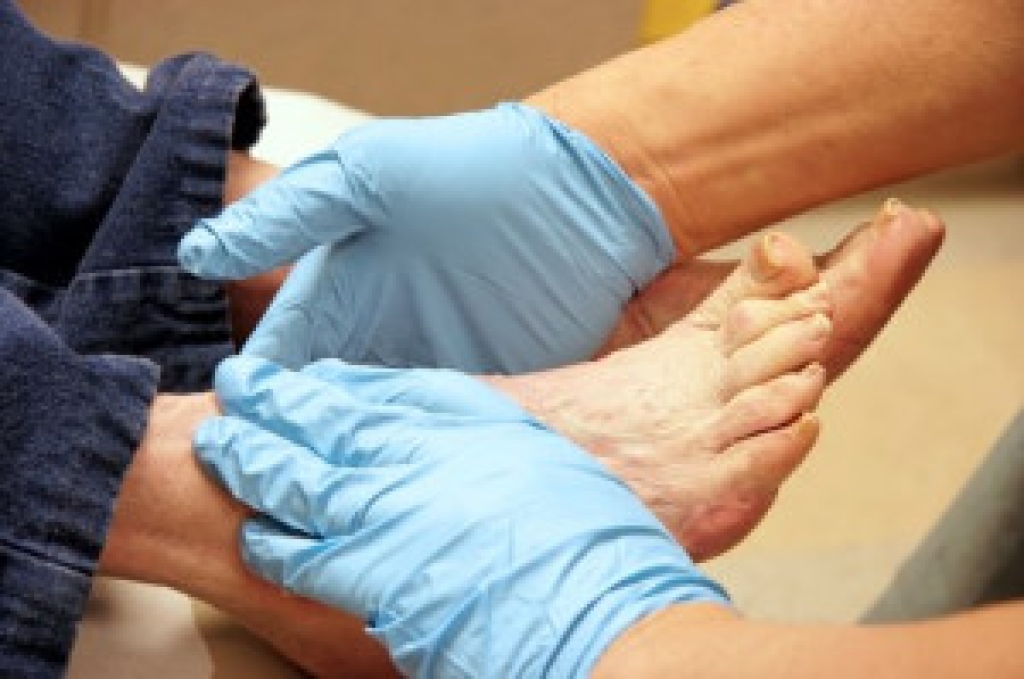
To figure out the cause of foot pain, podiatrists utilize several different methods. This can range from simple visual inspections and sensation tests to X-rays and MRI scans. Prior medical history, family medical history, and any recent physical traumatic events will all be taken into consideration for a proper diagnosis.

Treatment

Treatment depends upon the cause of the foot pain. Whether it is resting, staying off the foot, or having surgery; podiatrists have a number of treatment options available for foot pain.

If you have any questions, please feel free to contact one of our offices located in Philadelphia, Bensalem . We offer the newest diagnostic and treatment technologies for all your foot care needs.
Read more about Foot Pain

Protecting Your Feet with Proper Diabetic Self-Care

Diabetes is a chronic condition in which the body has difficulty regulating blood sugar levels, often leading to nerve damage and poor circulation. These changes frequently affect the feet, making them more vulnerable to cuts, infections, and slow-healing wounds. Proper self-care includes daily foot inspections, gentle cleansing, moisturizing, nail care, and wearing well-fitted protective footwear. Careful attention can help prevent serious complications and may reduce the risk of limb loss. Because sensation may be reduced, even small injuries can progress without notice. A podiatrist can provide routine evaluations, treat developing problems early, and guide patients in effective foot care practices. If you have diabetes, it is strongly suggested that you consult a podiatrist who can help you to manage this serious condition.

Diabetic foot care is important in preventing foot ailments such as ulcers. If you are suffering from diabetes or have any other concerns about your feet, contact Dr. Joshua David Scoll from Pennsylvania. Our doctor can provide the care you need to keep you pain-free and on your feet.

Diabetic Foot Care

Diabetes affects millions of people every year. The condition can damage blood vessels in many parts of the body, especially the feet. Because of this, taking care of your feet is essential if you have diabetes, and having a podiatrist help monitor your foot health is highly recommended.

The Importance of Caring for Your Feet

  • Routinely inspect your feet for bruises or sores.
  • Wear socks that fit your feet comfortably.
  • Wear comfortable shoes that provide adequate support.

Patients with diabetes should have their doctor monitor their blood levels, as blood sugar levels play such a huge role in diabetic care. Monitoring these levels on a regular basis is highly advised.

It is always best to inform your healthcare professional of any concerns you may have regarding your feet, especially for diabetic patients. Early treatment and routine foot examinations are keys to maintaining proper health, especially because severe complications can arise if proper treatment is not applied.

If you have any questions, please feel free to contact one of our offices located in Philadelphia, Bensalem . We offer the newest diagnostic and treatment technologies for all your foot care needs.

Read more about Diabetic Foot Care

Understanding Foot Problems in Juvenile Idiopathic Arthritis

Juvenile idiopathic arthritis is a long-term inflammatory condition that affects children under age 16. It causes the immune system to mistakenly attack the lining of the joints, leading to swelling, stiffness, and pain. Although many people think of arthritis affecting the hands or knees, the feet and ankles are commonly involved in children with this condition. When these joints are affected, walking, running, and daily activities can become difficult. Studies show that problems in the lower limbs often cause the greatest limits in movement and comfort. Children may experience ankle or foot pain, inflammation surrounding the tendons, or develop flat feet that place extra strain on the joints. When the disease is more active, these symptoms can greatly affect quality of life. Early care is important to protect growing joints. If your child has foot or ankle pain related to arthritis, it is suggested that you visit a podiatrist who can evaluate the problem and recommend appropriate treatment.

Arthritis can be a difficult condition to live with. If you are seeking treatment, contact Dr. Joshua David Scoll from Pennsylvania. Our doctor can provide the care you need to keep you pain-free and on your feet.

Arthritic Foot Care  

Arthritis is a joint disorder that involves the inflammation of different joints in your body, such as those in your feet. Arthritis is often caused by a degenerative joint disease and causes mild to severe pain in all affected areas. In addition to this, swelling and stiffness in the affected joints can also be a common symptom of arthritis.

In many cases, wearing ill-fitting shoes can worsen the effects and pain of arthritis. Wearing shoes that have a lower heel and extra room can help your feet feel more comfortable. In cases of rheumatoid arthritis, the arch in your foot may become problematic. Buying shoes with proper arch support that contour to your feet can help immensely.

Alleviating Arthritic Pain

  • Exercises that stretch the foot can prevent further pain and injury and increase mobility
  • Most of the pain can be alleviated with anti-inflammatory drugs, heat, and topical medications
  • Massages can help temporarily alleviate pain.

It is best to see your doctor for the treatment that is right for your needs and symptoms. Conditions vary, and a podiatrist can help you determine the right method of care for your feet.

If you have any questions please feel free to contact one of our offices located in Philadelphia, Bensalem . We offer the newest diagnostic tools and technology to treat your foot and ankle needs.

Read more about Arthritic Foot Care

Are Bunions Affecting Your Everyday Life?

Have you noticed a bony protrusion on the side of your big toe? If so, you may have developed the foot condition known as a bunion. Don't let bunions interfere with your daily activities.

Why Feet and Ankles Swell

Swollen feet and ankles, also known as edema, occur when fluid builds up in the tissues, causing puffiness and discomfort. This can happen from everyday lifestyle factors such as sitting or standing for long periods, especially during travel, which slows circulation. A high salt diet may also lead to fluid retention. Swelling also can be linked to medical conditions that affect blood flow or fluid balance. Symptoms may include tightness, heaviness, and visible swelling around the feet and ankles. Risk factors include inactivity, poor circulation, and certain health concerns. A podiatrist can evaluate the cause, recommend supportive care, and suggest ways to improve circulation. If your feet and ankles are swollen for most of the day, it is suggested that you consult a podiatrist who can offer effective relief and management tips.

Swollen feet can be a sign of an underlying condition. If you have any concerns, contact Dr. Joshua David Scoll of Pennsylvania. Our doctor can provide the care you need to keep you pain-free and on your feet.

Swollen feet are a common ailment among pregnant women and people who stand or sit for extended periods. Aging may increase the possibility of swollen feet and patients who are obese often notice when their feet are swelling too. There may be medical reasons why swollen feet occur:

  • Phlebitis - A condition that causes the veins to become inflamed and can also cause leg pain.
  • Liver disease - This may lead to low blood levels of albumin which is a protein. This can cause fluid in the blood to pass into the tissues and several areas of the body can become swollen.
  • Heart failure - When the heart doesn’t pump properly the blood that is normally pumped back to the heart can pool in the veins of the legs causing swollen feet.
  • Kidney disease - One of the main functions of the kidneys is releasing excess fluid in the body. This type of condition can make it difficult for the kidneys to function properly, and as a result the feet may become swollen.
  • Deep-vein thrombosis (DVT)- This is a serious condition where blood clots form in the veins of the legs. They can block the return of blood from the legs to the heart which may cause the feet to swell. It is important to be treated by a podiatrist if this condition is present.

Swollen feet can also be caused by bone and tendon conditions, including fractures, arthritis, and tendinitis. Additionally, there may be skin and toenail conditions and an infection may cause the feet to swell. Patients who take medicine to treat high blood pressure may be prone to getting swollen feet. 

Many patients elevate their feet to help relieve the swelling and this is generally a temporary remedy. When a podiatrist is consulted the reason behind the swelling can be uncovered and subsequently treated.

If you have any questions please contact one of our offices located in Philadelphia, Bensalem . We offer the newest diagnostic and treatment technologies for all your foot and ankle needs.

Read more about Swelling of the Feet

Connect With Us