Understanding Bunion Deformities

A bunion is a deformity that develops at the joint where the big toe meets the foot. The big toe gradually shifts toward the smaller toes, causing the base of the joint to become enlarged and more noticeable. Bunions develop slowly, and symptoms become more severe over time. Common signs include pain, swelling, and redness surrounding the joint. Some people also experience stiffness or have difficulty wearing certain shoes because of the enlarged area. As the deformity worsens, it can affect the way the foot functions while walking and standing. Because bunions do not usually improve without professional care, early evaluation is important to determine the severity of the condition and recommend appropriate treatment.


Several factors may contribute to bunion development, including inherited foot structure, abnormal foot mechanics, and certain inflammatory joint conditions. Although wearing narrow or tight-fitting shoes does not directly cause bunions, it may increase pressure on the affected joint and worsen existing symptoms. The deformity may continue to progress, making the toe less flexible and increasing discomfort during everyday activities. A comprehensive podiatry examination helps evaluate joint alignment, foot structure, and the extent of the deformity. Imaging studies may also be recommended to better understand changes within the joint. Early diagnosis allows treatment to begin before the bunion causes greater pain or leads to additional foot problems.


A podiatrist specializes in diagnosing and treating bunions while evaluating the overall health and function of the feet. Professional care focuses on relieving pain, improving mobility, and slowing the progression of the deformity when possible. Treatment is individualized based on the severity of the bunion, the patient's symptoms, and activity level. Regular follow-up visits also allow the condition to be monitored and treatment to be adjusted as needed. If you have pain at the base of your big toe or believe you may have a bunion, it is suggested that you consult a podiatrist for an evaluation and appropriate treatment options.

If you are suffering from bunions, contact Dr. Joshua David Scoll of Pennsylvania. Our doctor can provide the care you need to keep you pain-free and on your feet.

What Is a Bunion?

A bunion is formed of swollen tissue or an enlargement of boney growth, usually located at the base joint of the toe that connects to the foot. The swelling occurs due to the bones in the big toe shifting inward, which impacts the other toes of the foot. This causes the area around the base of the big toe to become inflamed and painful.

Why Do Bunions Form?

Genetics – Susceptibility to bunions are often hereditary

Stress on the feet – Poorly fitted and uncomfortable footwear that places stress on feet, such as heels, can worsen existing bunions

How Are Bunions Diagnosed?

Podiatrists often perform two tests – blood tests and x-rays – when trying to diagnose bunions, especially in the early stages of development. Blood tests help determine if the foot pain is being caused by something else, such as arthritis, while x-rays provide a clear picture of your bone structure to your provider.

How Are Bunions Treated?

  • Refrain from wearing heels or similar shoes that cause discomfort
  • Select wider shoes that can provide more comfort and reduce pain
  • Anti-inflammatory and pain management drugs
  • Orthotics or foot inserts
  • Surgery

If you have any questions, please feel free to contact one of our offices located in Philadelphia, Bensalem . We offer the newest diagnostic and treatment technologies for all your foot care needs.

Read more about Bunions

Recognizing Clubfoot Symptoms and the Importance of Early Diagnosis

Clubfoot is a congenital foot condition that causes one or both feet to develop in an unusual position before birth. The foot typically points downward and turns inward, creating a noticeable difference in alignment. This condition affects the muscles, tendons, and bones of the foot and ankle. Although clubfoot may look concerning, early diagnosis and proper treatment can help many children achieve improved foot function and normal mobility.

Common symptoms of clubfoot include an inward-turning foot, a tight Achilles tendon, a smaller affected foot, and limited flexibility. The foot may appear stiff and difficult to move into a normal position. Without treatment, the child may develop an abnormal walking pattern as they grow. While clubfoot is not usually painful in babies, untreated cases can lead to long-term challenges with balance, footwear, and physical activity.


The causes of clubfoot are linked to abnormal development of the foot during pregnancy. Researchers believe genetic factors and changes in muscle or connective tissue development may contribute to the condition. Risk factors include having a family history of clubfoot and certain neuromuscular conditions. Clubfoot is one of the most common congenital foot conditions, but the exact reason it develops is not always clear.


Diagnosis begins with a detailed physical examination after birth. A podiatrist will assess the position and flexibility of the foot to determine the severity of the condition. Additional evaluations may be performed if needed to understand the structure of the foot. Early attention provides the best opportunity for improving alignment and preventing future complications. If your child has signs of clubfoot, it is suggested that you include a podiatrist on your health-are team to ensure healthy foot development. 

Congenital foot problems require immediate attention to avoid future complications. If you have any concerns, contact Dr. Joshua David Scoll of Pennsylvania. Our doctor can provide the care you need to keep you pain-free and on your feet.

Congenital foot problems are deformities affecting the feet, toes, and/or ankles that children are born with. Some of these conditions have a genetic cause while others just happen. Some specific foot ailments that children may be born with include clubfeet, polydactyly/macrodactyly, and cleft foot. There are several other foot anomalies that can occur congenitally. What all of these conditions have in common is that a child may experience difficulty walking or performing everyday activities, as well as trouble finding footwear that fits their foot deformity. Some of these conditions are more serious than others. Consulting with a podiatrist as early as possible will help in properly diagnosing a child’s foot condition while getting the necessary treatment underway.

What are Causes of Congenital Foot Problem?

A congenital foot problem is one that happens to a child at birth. These conditions can be caused by a genetic predisposition, developmental or positional abnormalities during gestation, or with no known cause.

What are Symptoms of Congenital Foot Problems?

Symptoms vary by the congenital condition. Symptoms may consist of the following:

  • Clubfoot, where tendons are shortened, bones are shaped differently, and the Achilles tendon is tight, causing the foot to point in and down. It is also possible for the soles of the feet to face each other.
  • Polydactyly, which usually consists of a nubbin or small lump of tissue without a bone, a toe that is partially formed but has no joints, or an extra toe.
  • Vertical talus, where the talus bone forms in the wrong position causing other bones in the foot to line up improperly, the front of the foot to point up, and the bottom of the foot to stiffen, with no arch, and to curve out.
  • Tarsal coalition, when there is an abnormal connection of two or more bones in the foot leading to severe, rigid flatfoot.
  • Cleft foot, where there are missing toes, a V-shaped cleft, and other anatomical differences.
  • Macrodactyly, when the toes are abnormally large due to overgrowth of the underlying bone or soft tissue.

Treatment and Prevention

While there is nothing one can do to prevent congenital foot problems, raising awareness and receiving neonatal screenings are important. Early detection by taking your child to a podiatrist leads to the best outcome possible.

If you have any questions, please feel free to contact one of our offices located in Philadelphia, Bensalem . We offer the newest diagnostic and treatment technologies for all your foot care needs.

Read more about Congenital Foot Problems

Diabetic Neuropathy Puts Foot Health at Risk

Diabetic neuropathy develops when high blood sugar damages nerves, especially those that reach the feet. Symptoms include numbness, tingling, and burning pain. Some patients also notice sharp pain or unusual sensitivity to light pressure. Others lose enough feeling that they do not notice a blister, cut, or sore. This loss of protective sensation raises the risk of infection and slow-healing wounds. Muscle weakness can also change the way the feet move and place extra pressure on certain areas. Although symptoms can affect one foot more than the other, they frequently appear in both feet and become more noticeable at night.

A podiatrist can check for diabetic neuropathy through a detailed health history and a foot examination. The examination looks at the skin, nails, and shape of each foot. It also checks circulation, muscle strength, and reflexes. A thin nylon tool called a monofilament tests whether the patient can feel gentle pressure. A tuning fork can help measure the ability to sense vibration. These simple tests show whether protective feeling has decreased and whether a wound is more likely to develop. The podiatrist also looks for calluses, pressure points, and open sores that could become serious without prompt treatment.

Podiatric care focuses on protecting the feet and lowering the chance of complications. A podiatrist can trim thick or difficult nails, treat corns, and reduce heavy calluses safely. Regular examinations allow small skin changes or wounds to be identified before they become harder to manage. The podiatrist can provide properly fitted diabetic shoes or custom orthotics to reduce pressure and improve stability. Wounds can be cleaned, protected, and monitored for signs of infection. When circulation problems or severe nerve changes are suspected, the podiatrist can coordinate further testing with the patient’s diabetes-care team. If you have foot problems related to diabetes, it is suggested that you are under the care of a podiatrist who can help you to manage this serious condition.

Diabetic foot care is important in preventing foot ailments such as ulcers. If you are suffering from diabetes or have any other concerns about your feet, contact Dr. Joshua David Scoll from Pennsylvania. Our doctor can provide the care you need to keep you pain-free and on your feet.

Diabetic Foot Care

Diabetes affects millions of people every year. The condition can damage blood vessels in many parts of the body, especially the feet. Because of this, taking care of your feet is essential if you have diabetes, and having a podiatrist help monitor your foot health is highly recommended.

The Importance of Caring for Your Feet

  • Routinely inspect your feet for bruises or sores.
  • Wear socks that fit your feet comfortably.
  • Wear comfortable shoes that provide adequate support.

Patients with diabetes should have their doctor monitor their blood levels, as blood sugar levels play such a huge role in diabetic care. Monitoring these levels on a regular basis is highly advised.

It is always best to inform your healthcare professional of any concerns you may have regarding your feet, especially for diabetic patients. Early treatment and routine foot examinations are keys to maintaining proper health, especially because severe complications can arise if proper treatment is not applied.

If you have any questions, please feel free to contact one of our offices located in Philadelphia, Bensalem . We offer the newest diagnostic and treatment technologies for all your foot care needs.

Read more about Diabetic Foot Conditions

Plantar Warts Can Be Treated!

Plantar warts are small growths that develop on parts of the feet that bear weight. They're typically found on the bottom of the foot. Don't live with plantar warts, and call us today!
When Athlete's Foot Requires Professional Care

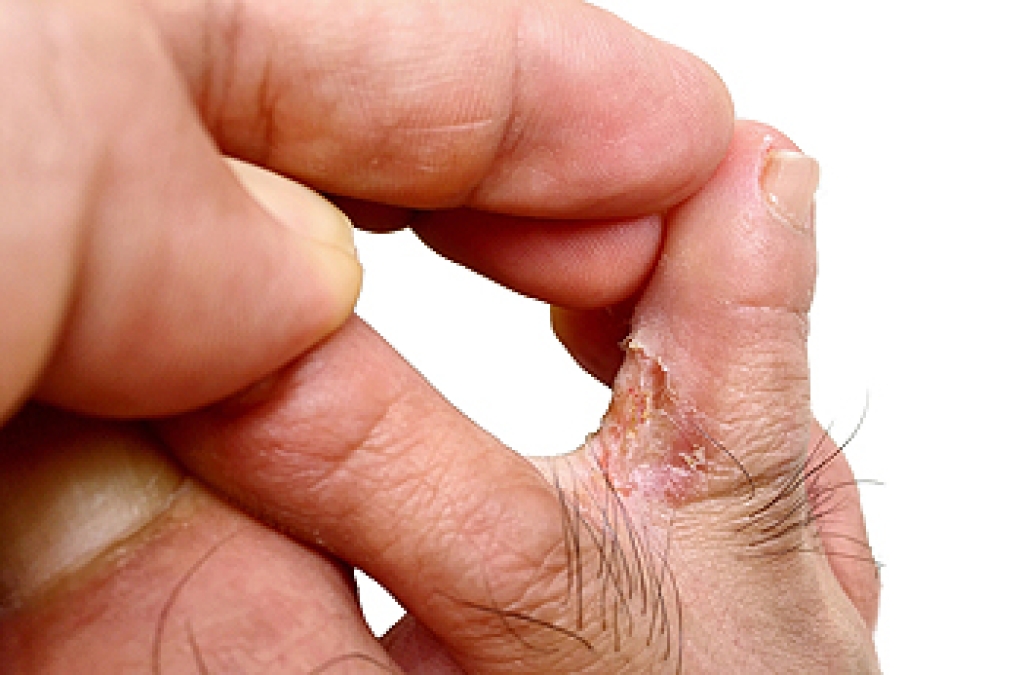
Athlete's foot is a common fungal infection that affects the skin on the feet. Although it often begins between the toes, it can also spread to other areas of the foot if left untreated. The infection thrives in warm, moist environments, making locker rooms, public showers, and swimming pool areas common places for exposure. Symptoms include itching, burning, and cracked skin. Some people also notice redness, peeling, or a rash that causes ongoing discomfort. In more severe cases, the skin may become painful or develop blisters. Because other skin conditions can appear similar, a professional evaluation is important to confirm the cause and recommend the most appropriate treatment.


Several factors can increase the risk of developing athlete's foot. Wearing damp footwear, sharing personal items, or spending time in moist environments may increase the chance of infection. People who sweat heavily or have small breaks in the skin may also be more susceptible. Without proper treatment, the infection can spread to the toenails or other areas of the body. Persistent symptoms may also make walking and other daily activities uncomfortable. Identifying the infection early allows treatment to begin before the condition becomes more difficult to manage.


A podiatrist can diagnose athlete's foot by examining the affected skin and determining whether additional testing is needed. Professional treatment focuses on eliminating the fungal infection, relieving symptoms, and helping prevent complications. If the infection has spread or continues to return, a podiatrist can recommend more advanced treatment options based on the severity of the condition. Early podiatry care may also reduce the risk of long-term skin or nail problems. If itching, peeling, or burning skin on your feet is affecting your comfort, it is suggested that you consult a podiatrist for an evaluation and appropriate treatment options.

Athlete’s Foot

Athlete’s foot is often an uncomfortable condition to experience. Thankfully, podiatrists specialize in treating athlete’s foot and offer the best treatment options. If you have any questions about athlete’s foot, consult with Dr. Joshua David Scoll from Pennsylvania. Our doctor will assess your condition and provide you with quality treatment.

What Is Athlete’s Foot?

Tinea pedis, more commonly known as athlete’s foot, is a non-serious and common fungal infection of the foot. Athlete’s foot is contagious and can be contracted by touching someone who has it or infected surfaces. The most common places contaminated by it are public showers, locker rooms, and swimming pools. Once contracted, it grows on feet that are left inside moist, dark, and warm shoes and socks.

Prevention

The most effective ways to prevent athlete’s foot include:

  • Thoroughly washing and drying feet
  • Avoid going barefoot in locker rooms and public showers
  • Using shower shoes in public showers
  • Wearing socks that allow the feet to breathe
  • Changing socks and shoes frequently if you sweat a lot

Symptoms

Athlete’s foot initially occurs as a rash between the toes. However, if left undiagnosed, it can spread to the sides and bottom of the feet, toenails, and if touched by hand, the hands themselves. Symptoms include:

  • Redness
  • Burning
  • Itching
  • Scaly and peeling skin

Diagnosis and Treatment

Diagnosis is quick and easy. Skin samples will be taken and either viewed under a microscope or sent to a lab for testing. Sometimes, a podiatrist can diagnose it based on simply looking at it. Once confirmed, treatment options include oral and topical antifungal medications.

If you have any questions, please feel free to contact one of our offices located in Philadelphia, Bensalem . We offer the newest diagnostic and treatment technologies for all your foot care needs.

Read more about How to Deal with Athlete's Foot

Connect With Us