
Foot Exercises Can Help Prevent Running Injuries

Research has shown that keeping the feet strong is the best way to reduce the chances of running injuries. Doing foot strengthening exercises can not only improve the health of your feet, it can also improve the effects that running can have on the rest of the body. The main objective of this type of exercise is to strengthen the arch and reduce pronation. One such exercise is called the short foot exercise. Start by sitting in a chair with one bare foot placed flat on the floor. Contract the muscles in the foot in a way that pulls the toes toward the body. This increases the gap between the arch of the foot and the floor, in effect, shortening the foot. Try to keep your heels and your toes touching the floor. When the foot is shortened as much as possible, let go and relax the foot. Complete 10 repetitions before switching to the other foot. Another exercise is to stand on the ball of one foot for 10 seconds, then alternate feet. Continue this process for 10 minutes. For more information on how to strengthen your feet, please consult a podiatrist.

Exercising your feet regularly with the proper foot wear is a great way to prevent injuries. If you have any concerns about your feet, contact Dr. Joshua David Scoll of Pennsylvania. Our doctor will treat your foot and ankle needs.

How to Prevent Running Injuries

Many common running injuries are caused by overuse and overtraining. When the back of the kneecap starts wearing out and starts causing pain in your knee, this is commonly referred to as runner’s knee. Runner’s knee is a decrease in strength in your quadriceps and can occur if you’re not wearing properly fitted or supporting shoes. To prevent runner’s knee, focusing on hip strengthening is a good idea, as well as strengthening your quads to keep the kneecaps aligned.

What Are Some Causes of Running Injuries? 
- One cause of a common running injury is called iliotibial band syndrome.
- Plantar fasciitis is also another common injury.
- Stress fractures can occur from overtraining, lack of calcium, or even your running style.

Best Ways to Prevent Running Injuries
- Wear footwear that fits properly and suits your running needs.
- Running shoes are the only protective gear that runners have to safeguard them from injury.
- Make a training schedule. Adding strengthening exercises as well as regular stretching can help keep you strong and limber and can lessen the possibility of injuries.
- Stretching keeps muscles limber; this will help you gain better flexibility.

If you have any questions, please feel free to contact one of our offices located in Philadelphia, Bensalem . We offer the newest diagnostic and treatment technologies for all your foot care needs.
Read more about How to Prevent Running Injuries

Bunions and Foot Baths

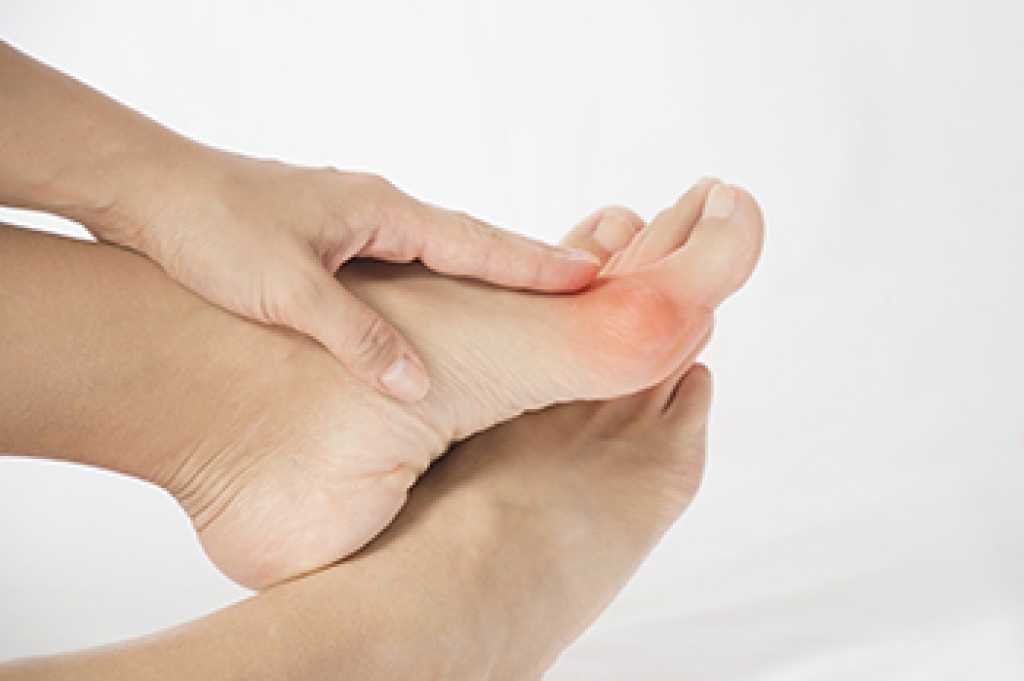
Bunions are a bony kind of bump that can develop on the outer side of the big toe or the pinky toe. Bunions have the potential to cause the individual a significant amount of discomfort. Bunions are typically something that patients will want to treat, and there are many ways in which one might go about treating their bunions. For example, an individual with bunions might choose to use the power of foot baths. Sometimes, individuals suffering from bunions can experience some kind of stiffness in their big toes due to the bunion. Immersing the feet in a warm foot bath can significantly help to mitigate feelings of stiffness. If a warm bath for the feet is not possible, then one might substitute a warm foot bath with a steamed towel. It usually helps if the towel is moist as well. If you are suffering from bunions, contact a podiatrist today for an appointment.

If you are suffering from bunions, contact Dr. Joshua David Scoll of Pennsylvania. Our doctor can provide the care you need to keep you pain-free and on your feet.

What Is a Bunion?

A bunion is formed of swollen tissue or an enlargement of boney growth, usually located at the base joint of the toe that connects to the foot. The swelling occurs due to the bones in the big toe shifting inward, which impacts the other toes of the foot. This causes the area around the base of the big toe to become inflamed and painful.

Why Do Bunions Form?

Genetics – Susceptibility to bunions are often hereditary

Stress on the feet – Poorly fitted and uncomfortable footwear that places stress on feet, such as heels, can worsen existing bunions

How Are Bunions Diagnosed?

Podiatrists often perform two tests – blood tests and x-rays – when trying to diagnose bunions, especially in the early stages of development. Blood tests help determine if the foot pain is being caused by something else, such as arthritis, while x-rays provide a clear picture of your bone structure to your provider.

How Are Bunions Treated?

  • Refrain from wearing heels or similar shoes that cause discomfort
  • Select wider shoes that can provide more comfort and reduce pain
  • Anti-inflammatory and pain management drugs
  • Orthotics or foot inserts
  • Surgery

If you have any questions, please feel free to contact one of our offices located in Philadelphia, Bensalem . We offer the newest diagnostic and treatment technologies for all your foot care needs.

Read more about Bunions

Toenail Fungus and Athlete’s Foot

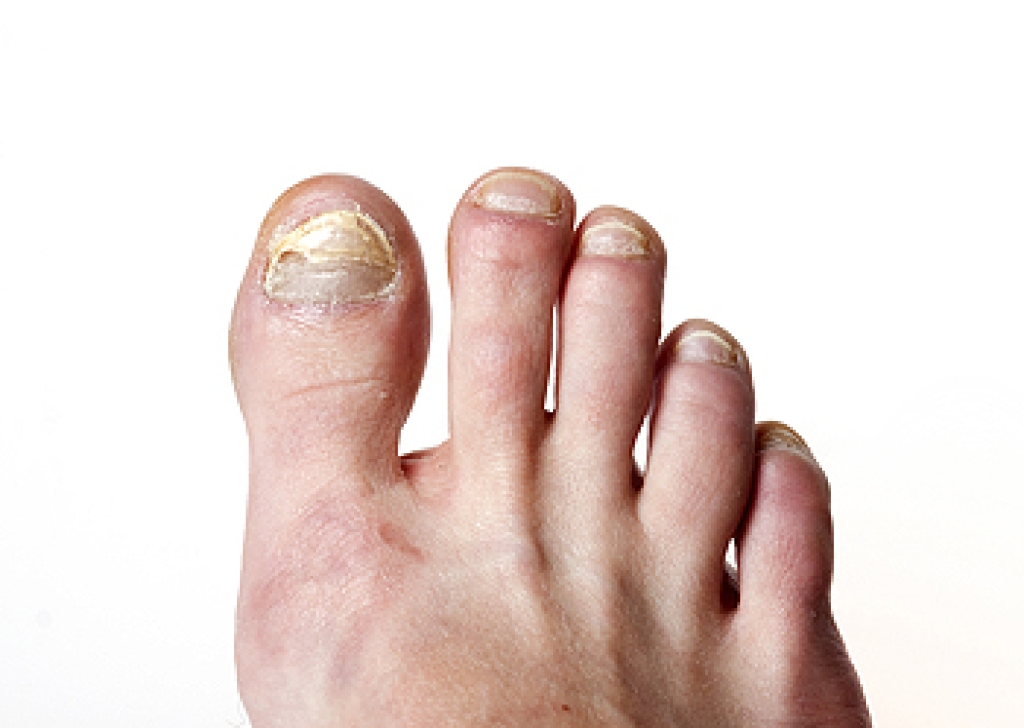
Athlete’s foot can certainly cause toenail fungus. While athlete’s foot can seem like a minor skin ailment, it can lead to more challenging complications if it affects toenails. Athlete’s foot is a fungus that grows on the soles of the feet and in between the toes. It can cause the skin on the feet to crack, peel, and become flaky. Sometimes it will become red and itch and there will be burning and stinging sensations. Toenail fungus grows under the nails and lives off skin and keratin. This erodes the protein in the nails causing them to turn dark yellow. The nails can also become brittle, push away from the nail bed, and emit an unpleasant odor. If athlete’s foot is not treated early, it can spread to the toenails. Given that either of these things can turn into a more severe infection, particularly among diabetics and those with other health conditions, it is a good idea to see a podiatrist for treatment at the first sign of a fungal infection.

For more information about treatment, contact Dr. Joshua David Scoll of Pennsylvania. Our doctor can provide the care you need to keep you pain-free and on your feet.

Toenail Fungus Treatment

Toenail fungus is a condition that affects many people and can be especially hard to get rid of. Fortunately, there are several methods to go about treating and avoiding it.

Antifungals & Deterrence

Oral antifungal medicine has been shown to be effective in many cases. It is important to consult with a podiatrist to determine the proper regiment for you, or potentially explore other options.

Applying foot powder on the feet and shoes helps keep the feet free of moisture and sweat.

Sandals or open toed shoes – Wearing these will allow air movement and help keep feet dry. They also expose your feet to light, which fungus cannot tolerate. Socks with moisture wicking material also help as well.

If you have any questions please contact one of our offices located in Philadelphia, Bensalem . We offer the newest diagnostic and treatment technologies for all your foot and ankle needs.

Read more about Treating Toenail Fungus

Reminder: When Was the Last Time...?

Custom orthotics, or shoe inserts, should be periodically replaced. Orthotics must fit properly to give you the best results. Protect your feet and ankles!

A Broken Foot May Be a Common Injury Among Children

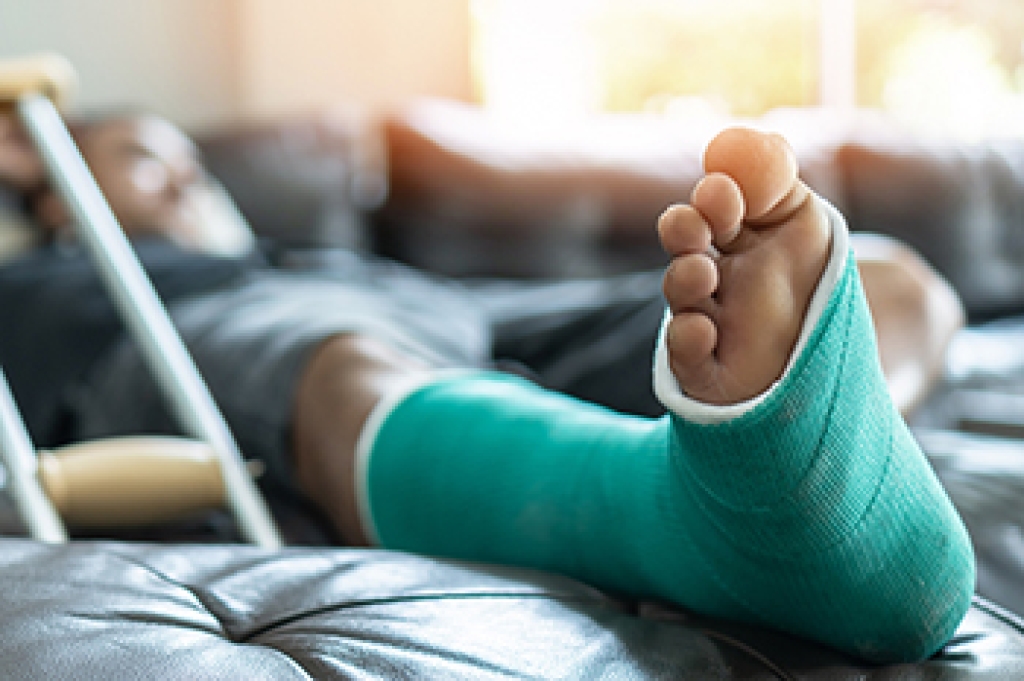
A broken foot is a common injury that can occur in children. The majority of children spend their day running, jumping, and falling, and in most cases, the bones have adequate flexibility and strength that may help to avoid fracturing a foot. For the rare occasions that a child breaks their foot, it is beneficial to know that the healing time is often accelerated as a result of their age. One of the most common reasons a child may break their foot is from falling. There are noticeable symptoms of this, including severe pain, numbness, and the inability to walk. Once a proper diagnosis is obtained, the correct treatment can begin.This generally involves putting the broken foot in a cast or walking boot, which is typically adequate in providing the necessary stability as the healing process occurs. If your child has broken their foot, please consult with a podiatrist as quickly as possible who can help advise you of proper treatment, so your child can resume normal activities.

A broken foot requires immediate medical attention and treatment. If you need your feet checked, contact Dr. Joshua David Scoll from Pennsylvania. Our doctor can provide the care you need to keep you pain-free and on your feet.

Broken Foot Causes, Symptoms, and Treatment

A broken foot is caused by one of the bones in the foot typically breaking when bended, crushed, or stretched beyond its natural capabilities. Usually the location of the fracture indicates how the break occurred, whether it was through an object, fall, or any other type of injury. 

Common Symptoms of Broken Feet:

  • Bruising
  • Pain
  • Redness
  • Swelling
  • Blue in color
  • Numbness
  • Cold
  • Misshapen
  • Cuts
  • Deformities

Those that suspect they have a broken foot shoot seek urgent medical attention where a medical professional could diagnose the severity.

Treatment for broken bones varies depending on the cause, severity and location. Some will require the use of splints, casts or crutches while others could even involve surgery to repair the broken bones. Personal care includes the use of ice and keeping the foot stabilized and elevated.

If you have any questions, please feel free to contact one of our offices located in Philadelphia, Bensalem . We offer the newest diagnostic and treatment technologies for all your foot care needs.
Read more about Causes, Symptoms, and Treatment for a Broken Foot

Connect With Us