Healthy Toenails and Common Problems That Affect Them

Toenails can change for many reasons, and those changes are often more than cosmetic. Thickened or discolored nails may point to fungal infections, while trauma or tight shoes can alter their shape. Ingrown toenails are another common issue, where the edge of the nail presses into the surrounding skin, leading to pain and sometimes infection. Circulation concerns, diabetes, or conditions such as psoriasis can also influence nail health. Treatments depend on the underlying cause. Fungal infections may require antifungal therapy, while ingrown nails might benefit from careful trimming, wearing proper footwear, or professional podiatric care. Additionally, pressure related damage can often be managed with adjustments to shoes and routine nail maintenance. Practicing good hygiene and keeping nails cut straight across helps prevent many problems. If you are experiencing nail changes or painful ingrown nails, it is suggested that you see a podiatrist for appropriate treatment solutions.

Toe pain can disrupt your daily activities. If you have any concerns, contact Dr. Joshua David Scoll of Pennsylvania. Our doctor can provide the care you need to keep you pain-free and on your feet.

What Causes Toe Pain?

Most severe toe pain is caused due to a sports injury, trauma from dropping something heavy on the toe, or bumping into something rigid. Other problems can develop over time for various reasons.

Toe pain can be caused by one or more ailments. The most common include:

  • Trauma
  • Sports injury
  • Wearing shoes that are too tight
  • Arthritis
  • Gout
  • Corns and calluses
  • Hammertoe
  • Bunions
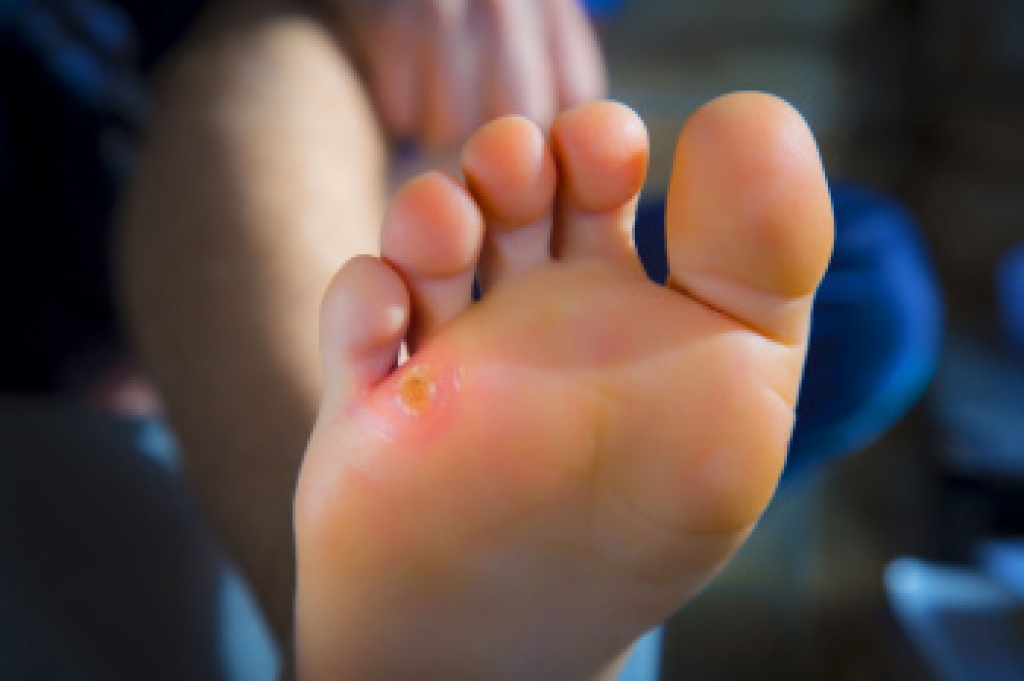
  • Blisters
  • Ingrown toenails
  • Sprains
  • Fractures (broken bones)
  • Dislocations

When to See a Podiatrist

  • Severe pain
  • Persistent pain that lasts more than a week
  • Signs of infection
  • Continued swelling
  • Pain that prevents walking

Diagnosis

In many cases the cause of toe pain is obvious, but in others, a podiatrist may want to use more advanced methods to determine the problem. These can range from simple visual inspections and sensation tests to X-rays and MRI scans. Prior medical history, family medical history, and any recent physical traumatic events will all be taken into consideration for a proper diagnosis.

Treatment

Treatments for toe pain and injuries vary and may include shoe inserts, padding, taping, medicines, injections, and in some cases, surgery. If you believe that you have broken a toe, please see a podiatrist as soon as possible.

If you have any questions please contact one of our offices located in Philadelphia, Bensalem . We offer the newest diagnostic and treatment technologies for all your foot and ankle needs.
Read more about Toe Pain

Practicing Proper Foot Hygiene Is Essential in Maintaining Overall Health

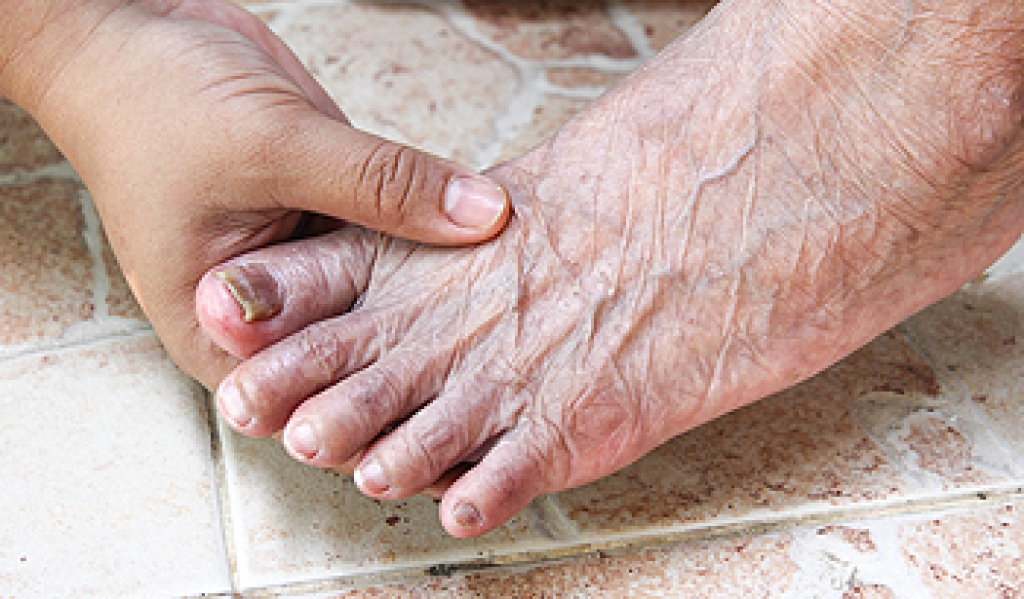
When the feet are healthy, it is easier for elderly patients to stay active and independent, in addition to staying mentally and physically balanced. The feet of older people can be exposed to excessive wear and tear, and this may be a result of a loss of fatty padding. It is beneficial to keep the feet as clean as possible, and this is accomplished by washing and drying them throughout the day. Cracked heels may be prevented as the feet are moisturized on a regular basis, as this may help the skin to remain soft. Additionally, it is important to properly trim the toenails, as this may help to prevent ingrown toenails. If you are older and have difficulty in maintaining proper care of your feet, it is strongly suggested that you are under the care of a podiatrist.

If you need your feet checked, contact Dr. Joshua David Scoll of Pennsylvania. Our doctor will attend to all of your foot and ankle needs and provide you with quality treatment.

Geriatrics and Podiatry
When people age, some common issues that may occur are bone density loss, dry skin, poor circulation, and rough brittle nails. These issues may also affect your foot health if the necessary steps are not taken to alleviate the problems.

It is important to take care of your feet because feet that are injured or diseased can affect your overall health. Having painful feet hinders your ability to do daily activities or may decrease your willingness to do the things that you need to do.

Visiting Your Geriatrician
As we age, health problems become more likely, so it is essential to visit your doctor for check-ups to ensure that you are doing the best you can to take care of your health. It is recommended to check your feet frequently for any possible cuts, bruises, swelling, corns or any other irregularities. 

Taking Care of Elderly Feet
Cracked or dry feet can be treated by applying moisturizer often. It is also important not to wear old socks because the older the sock is, the higher the possibility there will be that there is bacteria there. Wear fresh socks and make sure they fit properly.

Proper foot health means that you can have a more active lifestyle and you will not be bogged down by pain. Foot health also leads to good circulation, which is paramount for overall health.

If you have any questions, please feel free to contact one of our offices located in Philadelphia, Bensalem . We offer the newest diagnostic and treatment technologies for all your foot care needs.

Read more about Taking Care of Elderly Feet

Peripheral Artery Disease and the Feet

Peripheral artery disease, or PAD, affects the blood vessels that deliver oxygen-rich blood to the legs and feet. The narrowing of these arteries can cause serious complications in the lower limbs. When blood flow to the feet is restricted, symptoms such as pain while walking, coldness, tingling, or numbness may develop. Cuts or sores on the feet and ankles may take longer to heal, raising the risk of infection and tissue damage. People with diabetes are at an even higher risk of peripheral artery disease, as high blood sugar can further damage blood vessels and reduce circulation. In advanced cases, untreated PAD can contribute to ulcer formation and limb loss. A podiatrist can evaluate circulation in the feet, identify early warning signs, and recommend effective treatment to restore blood flow and protect against further damage. If you have symptoms of peripheral artery disease that are affecting your feet, it is suggested that you schedule an appointment with a podiatrist for an evaluation and appropriate treatment options.

Peripheral artery disease can pose a serious risk to your health. It can increase the risk of stroke and heart attack. If you have symptoms of peripheral artery disease, consult with Dr. Joshua David Scoll from Pennsylvania. Our doctor will assess your condition and provide you with quality foot and ankle treatment.

Peripheral artery disease (PAD) is when arteries are constricted due to plaque (fatty deposits) build-up. This results in less blood flow to the legs and other extremities. The main cause of PAD is atherosclerosis, in which plaque builds up in the arteries.

Symptoms

Symptoms of PAD include:

  • Claudication (leg pain from walking)
  • Numbness in legs
  • Decrease in growth of leg hair and toenails
  • Paleness of the skin
  • Erectile dysfunction
  • Sores and wounds on legs and feet that won’t heal
  • Coldness in one leg

It is important to note that a majority of individuals never show any symptoms of PAD.

Diagnosis

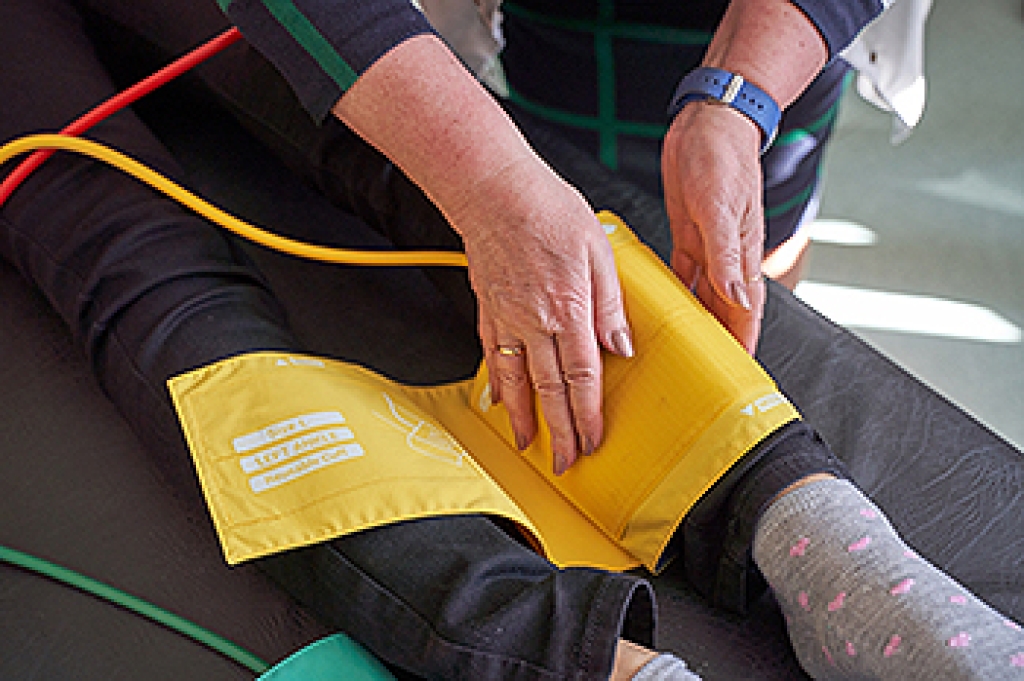
While PAD occurs in the legs and arteries, Podiatrists can diagnose PAD. Podiatrists utilize a test called an ankle-brachial index (ABI). An ABI test compares blood pressure in your arm to you ankle to see if any abnormality occurs. Ultrasound and imaging devices may also be used.

Treatment

Fortunately, lifestyle changes such as maintaining a healthy diet, exercising, managing cholesterol and blood sugar levels, and quitting smoking, can all treat PAD. Medications that prevent clots from occurring can be prescribed. Finally, in some cases, surgery may be recommended.

If you have any questions, please feel free to contact one of our offices located in Philadelphia, Bensalem . We offer the newest diagnostic and treatment technologies for all your foot care needs.

Read more about Peripheral Artery Disease

What Are Foot Corns?

Foot corns are areas of thickened skin that develop when pressure or friction is repeatedly applied to certain parts of the feet. They often result from wearing shoes that are too tight, high heeled, or poorly fitted, which places excess pressure on the toes or soles. Corns can cause discomfort, pain, and difficulty walking, if not addressed. Prevention includes wearing properly fitted shoes with cushioned soles and protective padding to reduce friction. A podiatrist can safely remove corns, recommend orthotics, and guide you on proper footwear choices to stop them from returning. If you have a painful corn, it is suggested that you consult a podiatrist who can offer effective relief and treatment solutions.

If you have any concerns regarding your feet and ankles, contact Dr. Joshua David Scoll of Pennsylvania. Our doctor will treat your foot and ankle needs.

Corns: What Are They? and How Do You Get Rid of Them?
Corns can be described as areas of the skin that have thickened to the point of becoming painful or irritating. They are often layers and layers of the skin that have become dry and rough, and are normally smaller than calluses.

Ways to Prevent Corns
There are many ways to get rid of painful corns such as wearing:

  • Well-fitting socks
  • Comfortable shoes that are not tight around your foot
  • Shoes that offer support

Treating Corns
Treatment of corns involves removing the dead skin that has built up in the specific area of the foot. Consult with Our doctor to determine the best treatment option for your case of corns.

If you have any questions, please feel free to contact one of our offices located in Philadelphia, Bensalem . We offer the newest diagnostic and treatment technologies for all your foot care needs.

Read more about Understanding Corns and Calluses

Plantar Warts Can Be Treated!

Plantar warts are small growths that develop on parts of the feet that bear weight. They're typically found on the bottom of the foot. Don't live with plantar warts, and call us today!

Connect With Us