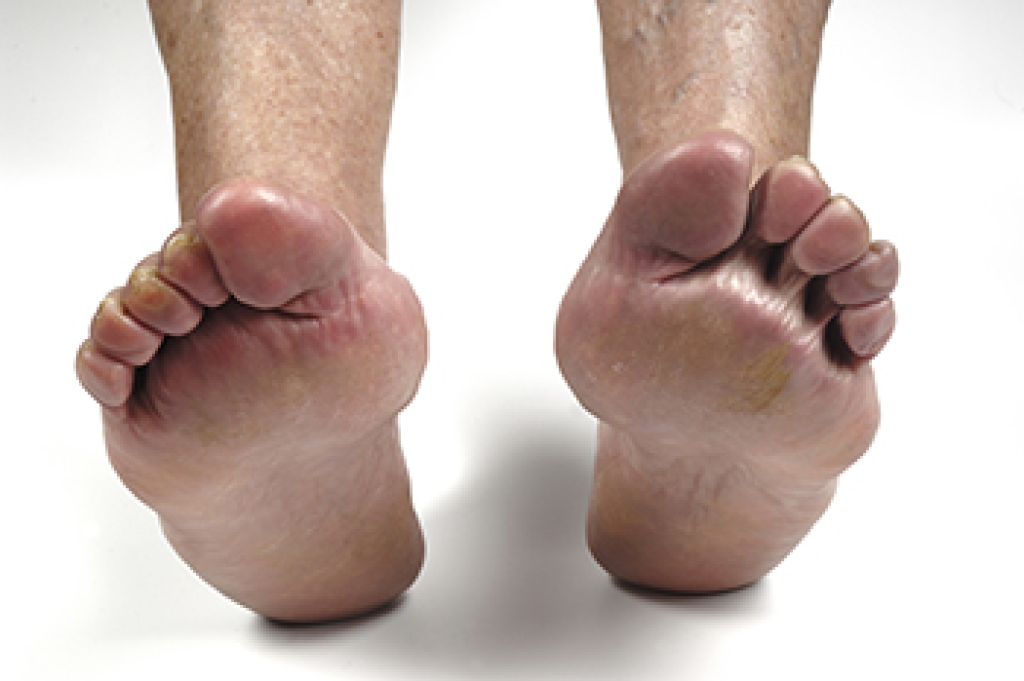
How Rheumatoid Arthritis Affects the Feet and Ankles

Rheumatoid arthritis is a disease in which the body's immune system mistakenly attacks healthy joint tissue. This type of arthritis causes inflammation, which results in swelling and irritation inside the joints. It affects the feet and ankles because they contain many small joints that support body weight. Early symptoms include pain, stiffness, and swelling in the toes, forefoot, or ankles. The condition commonly affects the same joints on both sides of the body. Rheumatoid arthritis can make standing uncomfortable and can limit daily activities.

As the condition progresses, inflammation can damage the joints and surrounding tissues. This can change the shape of the feet and toes. Some people develop bunions, hammertoes, or toes that drift out of position. Walking can become difficult because the joints lose flexibility and stability. Pain can increase when standing for long periods and while walking. Some people develop thickened areas of skin because abnormal pressure is placed on certain parts of the feet. Swelling in the ankles is another common problem. These changes can make comfortable shoes harder to find and can affect balance.

A podiatrist plays an important role in identifying foot problems related to rheumatoid arthritis. Diagnosis includes a physical examination, a review of symptoms, and X-rays or other imaging to look for joint damage. Treatment focuses on reducing pain and improving foot function. A podiatrist may recommend custom orthotics, supportive footwear, or padding to reduce pressure on painful areas. Care can also include monitoring joint changes and addressing deformities before they become severe. Early diagnosis can help reduce the risk of significant joint damage and loss of mobility. Proper foot care can help patients remain active and comfortable. If you have symptoms of rheumatoid arthritis in your feet and ankles, it is suggested that you make an appointment with a podiatrist for an exam and diagnosis.

Because RA affects more than just your joints, including the joints in your feet and ankles, it is important to seek early diagnosis from your podiatrist if you feel like the pain in your feet might be caused by RA. For more information, contact Dr. Joshua David Scoll of Pennsylvania. Our doctor will assist you with all of your podiatric concerns.

What Is Rheumatoid Arthritis?

Rheumatoid Arthritis (RA) is an autoimmune disorder in which the body’s own immune system attacks the membranes surrounding the joints. Inflammation of the lining and eventually the destruction of the joint’s cartilage and bone occur, causing severe pain and immobility.

Rheumatoid Arthritis of the Feet

Although RA usually attacks multiple bones and joints throughout the entire body, almost 90 percent of cases result in pain in the foot or ankle area.

Symptoms

  • Swelling and pain in the feet
  • Stiffness in the feet
  • Pain on the ball or sole of feet
  • Joint shift and deformation

Diagnosis

Quick diagnosis of RA in the feet is important so that the podiatrist can treat the area effectively. Your doctor will ask you about your medical history, occupation, and lifestyle to determine the origin of the condition. Rheumatoid Factor tests help to determine if someone is affected by the disease.

If you have any questions, please feel free to contact one of our offices located in Philadelphia, Bensalem . We offer the newest diagnostic and treatment technologies for all your foot care needs.
Read more about Rheumatoid Arthritis in the Feet

Understanding Heel Fissures and Skin Changes

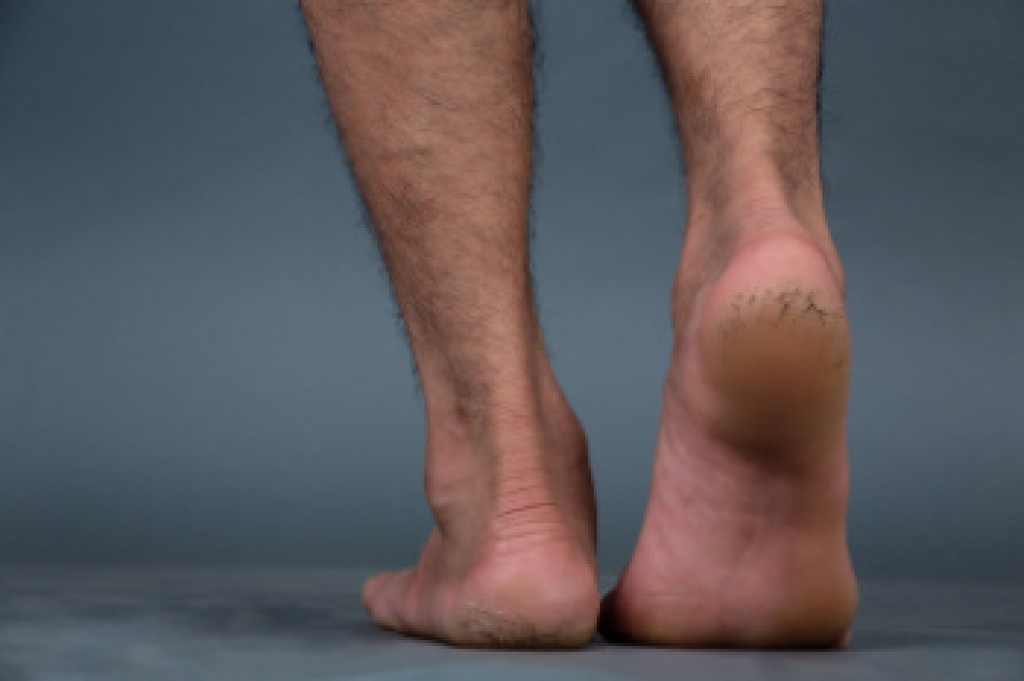
Heel fissures are cracks in thickened skin on the heels that can become painful if not treated. The skin in these areas is often drier and less flexible than healthy skin, which makes it more likely to split under pressure. Research shows that this type of thickened skin behaves differently from normal skin, especially in how it holds moisture and stretches. These differences can help guide care. In some cases, heel calluses and fissures can be grouped based on how hydrated and elastic the skin is, even when the surface feels similar. Dry, stiff skin is more prone to cracking, especially with standing, walking, or wearing open-back shoes. Regular moisturizing and proper foot support can help prevent worsening. If cracks become deep, painful, or do not improve, it is suggested you schedule an appointment with a podiatrist for appropriate care.

Cracked heels are unsightly and can cause further damage to your shoes and feet. If you have any concerns, contact Dr. Joshua David Scoll from Pennsylvania. Our doctor can provide the care you need to keep you pain-free and on your feet.

Cracked Heels

Cracked heels appear unappealing and can make it harder for you walk around in sandals. Aside from looking unpleasant, cracked heels can also tear stockings, socks, and wear out your shoes. There are several methods to help restore a cracked heel and prevent further damage.

How Do You Get Them?

Dry skin is the number one culprit in creating cracked heels. Many athletes, walkers, joggers, and even swimmers suffer from cracked heels. Age and skin oil production play a role to getting cracked heels as well.

Promote Healing

Over the counter medicines can help, especially for those that need instant relief or who suffer from chronic dry feet.

Wear Socks – Wearing socks with medicated creams helps lock in moisture.

Moisturizers – Applying both day and night will help alleviate dryness which causes cracking.

Pumice Stones – These exfoliate and remove dead skin, which allows for smoother moisturizer application and better absorption into the skin. 

Change in Diet

Eating healthy with a well-balanced diet will give the skin a fresh and radiant look. Your body responds to the kinds of food you ingest. Omega-3 fatty acids and zinc supplements can also revitalize skin tissue.

Most importantly, seek professional help if unsure how to proceed in treating cracked heels. A podiatrist will help you with any questions or information needed. 

If you have any questions, please feel free to contact one of our offices located in Philadelphia, Bensalem . We offer the newest diagnostic and treatment technologies for all your foot care needs.

Read more about Solutions for Cracked Heels

Blisters Between Toes and Their Causes

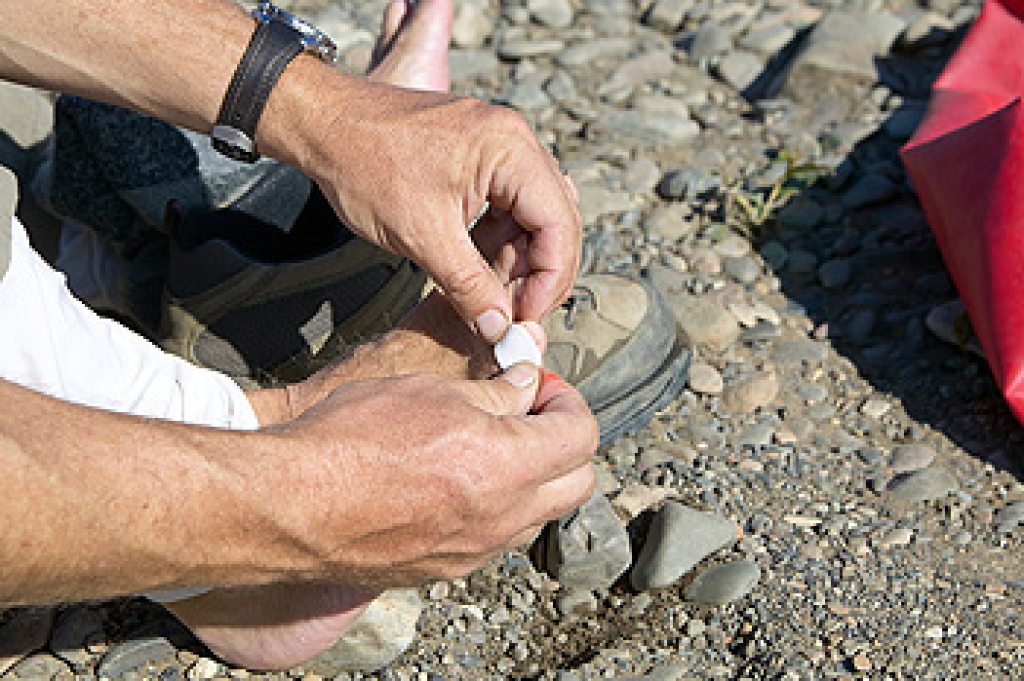
Foot blisters between the toes are fluid-filled pockets that form when the skin becomes irritated or damaged. They often appear as small, tender bumps that can feel sore when walking or wearing shoes. This condition happens when friction, moisture, or irritation weakens the skin barrier. Common causes include tight footwear, excessive sweating, allergic reactions to materials, and fungal infections that weaken skin health. Risk factors include long periods of walking, poor shoe ventilation, and warm, humid environments that encourage moisture buildup. Over time, these blisters may become more painful or prone to infection if the skin breaks. A podiatrist can evaluate the underlying cause, check for infection or fungal involvement, and provide treatment to protect the skin and support healing. If you have blisters between your toes, it is suggested that you consult a podiatrist who can offer effective relief tips.

Blisters may appear as a single bubble or in a cluster. They can cause a lot of pain and may be filled with pus, blood, or watery serum. If your feet are hurting, contact Dr. Joshua David Scoll of Pennsylvania. Our doctor can provide the care you need to keep you pain-free and on your feet.

Foot Blisters

Foot blisters are often the result of friction. This happens due to the constant rubbing from shoes, which can lead to pain.

What Are Foot Blisters?

A foot blister is a small fluid-filled pocket that forms on the upper-most layer of the skin. Blisters are filled with clear fluid and can lead to blood drainage or pus if the area becomes infected.

Symptoms

(Blister symptoms may vary depending on what is causing them)

  • Bubble of skin filled with fluid
  • Redness
  • Moderate to severe pain
  • Itching

Prevention & Treatment

In order to prevent blisters, you should be sure to wear comfortable shoes with socks that cushion your feet and absorb sweat. Breaking a blister open may increase your chances of developing an infection. However, if your blister breaks, you should wash the area with soap and water immediately and then apply a bandage to the affected area. If your blisters cause severe pain it is important that you call your podiatrist right away.

If you have any questions, please feel free to contact one of our offices located in Philadelphia, Bensalem . We offer the newest diagnostic and treatment technologies for all your foot care needs.

Read more about Blisters

Flat Foot Surgery and What to Consider

Flat feet is a condition where the arch of the foot collapses, causing the sole to rest flat on the ground. This can develop from genetics, tendon dysfunction, injury, or gradual wear. When symptoms like pain, instability, or difficulty walking become severe, foot surgery may be considered. Flat foot reconstruction can involve repairing tendons, realigning bones, or placing supportive implants to restore the arch. The benefits may include improved stability, reduced pain, and better function. However, surgery also carries risks, such as recovery time, swelling, and possible complications. A podiatrist carefully evaluates each case, orders imaging, and determines whether conservative care or surgical correction is appropriate. If flat feet are affecting your mobility or comfort, it is strongly suggested that you visit a podiatrist to explore treatment options.

Foot surgery is sometimes necessary to treat a foot ailment. To learn more, contact Dr. Joshua David Scoll of Pennsylvania. Our doctor will assist you with all of your foot and ankle needs.

When Is Surgery Necessary?

Foot and ankle surgery is generally reserved for cases in which less invasive, conservative procedures have failed to alleviate the problem. Some of the cases in which surgery may be necessary include:

  • Removing foot deformities like bunions and bone spurs
  • Severe arthritis that has caused bone issues
  • Cosmetic reconstruction

What Types of Surgery Are There?

The type of surgery you receive will depend on the nature of the problem you have. Some of the possible surgeries include:

  • Bunionectomy for painful bunions
  • Surgical fusion for realignment of bones
  • Neuropathy decompression surgery to treat nerve damage

Benefits of Surgery

Although surgery is usually a last resort, it can provide more complete pain relief compared to non-surgical methods and may allow you to finally resume full activity.

Surgical techniques have also become increasingly sophisticated. Techniques like endoscopic surgery allow for smaller incisions and faster recovery times.

If you have any questions, please feel free to contact one of our offices located in Philadelphia, Bensalem . We offer the newest diagnostic and treatment technologies for all your foot care needs.

Read more about Foot Surgery

Gout Pain Can Be Managed

Gout is a painful, inflammatory form of arthritis. Those affected will typically feel an intense stiffness in the joints of their feet, particularly in the big toe. Schedule a visit to learn about how gout can be managed and treated.

Connect With Us