Hammertoe and Its Common Causes

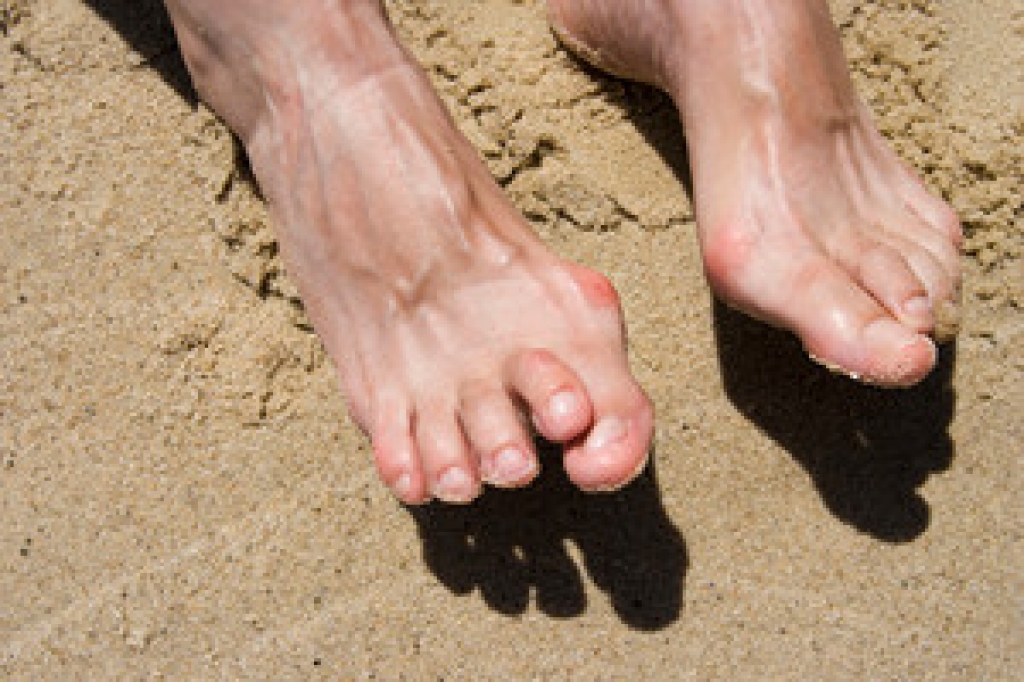
Hammertoe is a foot deformity in which one of the smaller toes bends downward at the middle joint, creating a hammer-like appearance. This condition often develops when the muscles and tendons that control the toe become imbalanced, causing the joint to remain in a bent position. Common causes may include wearing tight or narrow shoes, high-heeled footwear, foot injury, or structural foot imbalance. Symptoms include toe pain, stiffness, swelling, corns, calluses, and difficulty moving the affected toe. Risk factors include long-term shoe pressure, certain inherited foot shapes, and conditions that affect muscle balance. Early evaluation and supportive care may help reduce discomfort, improve alignment, and protect overall foot health and comfortable daily movement. If you have symptoms of hammertoe, it is suggested that you consult a podiatrist who can offer effective relief and management solutions.

Hammertoe

Hammertoes can be a painful condition to live with. For more information, contact Dr. Joshua David Scoll from Pennsylvania. Our doctor will answer any of your foot- and ankle-related questions.

Hammertoe is a foot deformity that affects the joints of the second, third, fourth, or fifth toes of your feet. It is a painful foot condition in which these toes curl and arch up, which can often lead to pain when wearing footwear.

Symptoms

  • Pain in the affected toes
  • Development of corns or calluses due to friction
  • Inflammation
  • Redness
  • Contracture of the toes

Causes

Genetics – People who are genetically predisposed to hammertoe are often more susceptible

Arthritis – Because arthritis affects the joints in your toes, further deformities stemming from arthritis can occur

Trauma – Direct trauma to the toes could potentially lead to hammertoe

Ill-fitting shoes – Undue pressure on the front of the toes from ill-fitting shoes can potentially lead to the development of hammertoe

Treatment

Orthotics – Custom made inserts can be used to help relieve pressure placed on the toes and therefore relieve some of the pain associated with it

Medications – Oral medications such as anti-inflammatories or NSAIDs could be used to treat the pain and inflammation hammertoes causes. Injections of corticosteroids are also sometimes used

Surgery – In more severe cases where the hammertoes have become more rigid, foot surgery is a potential option

If you have any questions, please feel free to contact one of our offices located in Philadelphia, Bensalem . We offer the newest diagnostic and treatment technologies for all your foot care needs.
Read more about What Are Hammertoes?

Aftercare for Bunion Removal

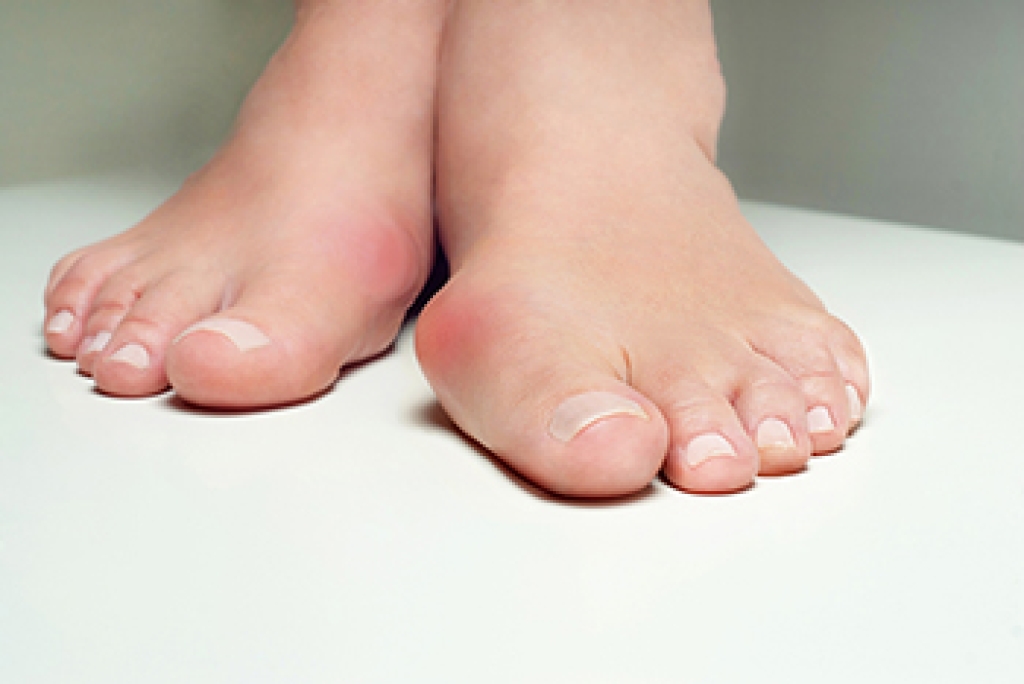
A bunion is a deformity defined as an enlargement of bone or soft tissue at the joint located at the base of the big toe. This condition develops when the top of the big toe gradually shifts toward the other toes, as the bottom of the joint protrudes outward and becomes irritated. Causes include inherited foot structure, prolonged pressure from tight footwear, and abnormal foot mechanics. Symptoms often include pain, swelling, redness, and difficulty wearing certain shoes. In more severe cases, surgery may be recommended to repair the area of enlarged bone or tissue and restore proper joint alignment. Recovery commonly involves temporary pain and swelling, and the bandage must remain dry while showering. If you have a bunion that is interfering with daily activities, it is suggested that you consult a podiatrist who can offer effective treatment solutions, which may include surgery for removal. 

If you are suffering from bunion pain, contact Dr. Joshua David Scoll of Pennsylvania. Our doctor can provide the care you need to keep you pain-free and on your feet.

What Is a Bunion?

Bunions are painful bony bumps that usually develop on the inside of the foot at the joint of the big toe. As the deformity increases over time, it may become painful to walk and wear shoes. Women are more likely to exacerbate existing bunions since they often wear tight, narrow shoes that shift their toes together. Bunion pain can be relieved by wearing wider shoes with enough room for the toes.

Causes

  • Genetics – some people inherit feet that are more prone to bunion development
  • Inflammatory Conditions - rheumatoid arthritis and polio may cause bunion development

Symptoms

  • Redness and inflammation
  • Pain and tenderness
  • Callus or corns on the bump
  • Restricted motion in the big toe

In order to diagnose your bunion, your podiatrist may ask about your medical history, symptoms, and general health. Your doctor might also order an x-ray to take a closer look at your feet. Nonsurgical treatment options include orthotics, padding, icing, changes in footwear, and medication. If nonsurgical treatments don’t alleviate your bunion pain, surgery may be necessary.

If you have any questions, please feel free to contact one of our offices located in Philadelphia, Bensalem . We offer the newest diagnostic and treatment technologies for all your foot care needs.

Read more about Bunions

What Causes Heel Spurs?

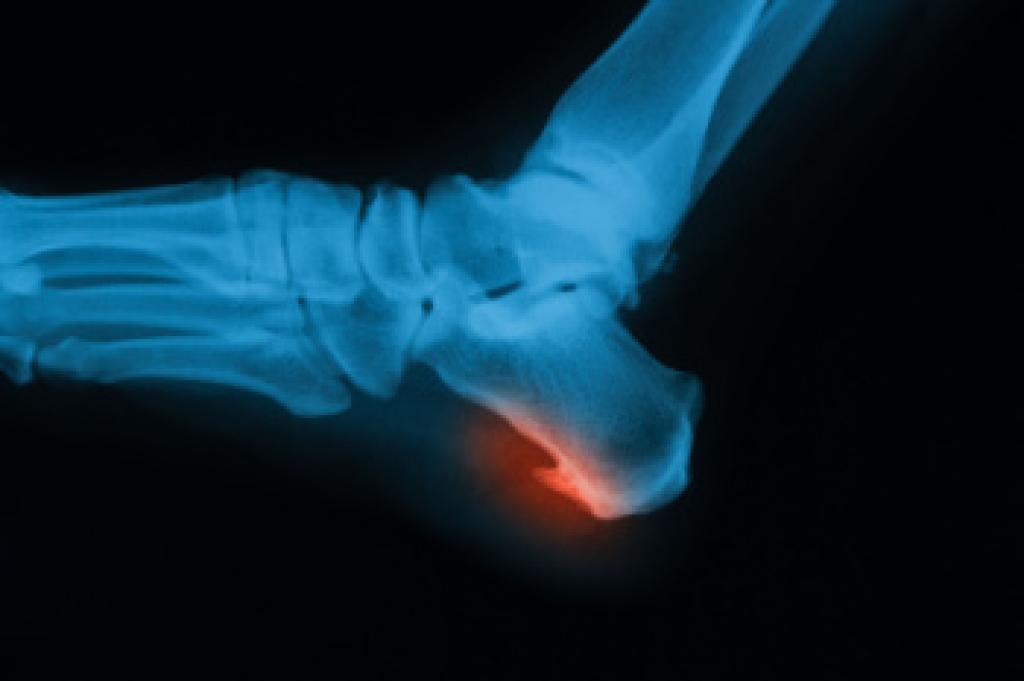
Heel spurs are bony growths that form on the calcaneus, or heel bone, after long-term stress or irritation. These spurs often develop when repeated pulling from tight soft tissue at the back of the ankle places strain on the bone. Eventually, the body responds by laying down excess calcium, creating a pointed growth that looks like a spur. Heel spurs can form underneath the heel or at the back, sometimes causing a visible lump. Symptoms include sharp pain with the first steps in the morning, a lingering dull ache during the day, stiffness, numbness, or thickened skin from friction. A podiatrist can assess foot alignment, evaluate walking patterns, and order X-rays to confirm the diagnosis. Treatment options include custom orthotics, bracing, anti-inflammatory care, or surgery when necessary. If you have pain from heel spurs that affect daily activities, it is suggested that you make an appointment with a podiatrist for an exam, diagnosis, and treatment.

Heel spurs can be incredibly painful and sometimes may make you unable to participate in physical activities. To get medical care for your heel spurs, contact Dr. Joshua David Scoll from Pennsylvania. Our doctor will do everything possible to treat your condition.

Heels Spurs

Heel spurs are formed by calcium deposits on the back of the foot where the heel is. This can also be caused by small fragments of bone breaking off one section of the foot, attaching onto the back of the foot. Heel spurs can also be bone growth on the back of the foot and may grow in the direction of the arch of the foot.

Older individuals usually suffer from heel spurs and pain sometimes intensifies with age. One of the main condition's spurs are related to is plantar fasciitis.

Pain

The pain associated with spurs is often because of weight placed on the feet. When someone is walking, their entire weight is concentrated on the feet. Bone spurs then have the tendency to affect other bones and tissues around the foot. As the pain continues, the feet will become tender and sensitive over time.

Treatments

There are many ways to treat heel spurs. If one is suffering from heel spurs in conjunction with pain, there are several methods for healing. Medication, surgery, and herbal care are some options.

If you have any questions, please feel free to contact one of our offices located in Philadelphia, Bensalem . We offer the newest diagnostic and treatment technologies for all your foot care needs.

Read more about How to Treat Heel Spurs

Key Ideas in Modern Ankle Fracture Management

An ankle fracture is more than a broken bone. It affects how the ankle moves, bears weight, and stays stable. Treatment today focuses on restoring normal mechanics so the joint can function well long term. Fixing the back part of the ankle helps support the joint surface and improves overall stability. The syndesmosis, which connects the two lower leg bones, must be properly stabilized to keep the ankle aligned during walking. Repairing the deltoid ligament on the inner ankle may be needed when the joint remains unstable after bone repair. In some cases, the fibula on the outer ankle can be stabilized from the inside with a nail, which may reduce soft tissue disruption. Early, protected weightbearing is sometimes encouraged to promote healing and stiffness prevention. Because each fracture behaves differently, it is suggested that you see a podiatrist for individualized treatment planning.

test

Read more about All About Broken Ankle

Why Live with Pain and Numbness in Your Feet?

Suffering from this type of pain? You may have the foot condition known as Morton's neuroma. Morton's neuroma may develop as a result of ill-fitting footwear and existing foot deformities. We can help.

Connect With Us