How Type One Diabetes Can Affect the Feet

Type one diabetes is an autoimmune condition in which the body no longer produces insulin, requiring lifelong management to keep blood sugar within a healthy range. These ongoing shifts can influence foot health in subtle, but important ways. Circulation may become less efficient over time, leading to dry skin, slower healing, and a higher chance of infection. Nerve changes can cause tingling, burning, or numbness, making it harder to feel small injuries or areas of pressure. Even minor cuts, blisters, or cracks can worsen if they go unnoticed. Daily foot checks, wearing supportive footwear, and prompt care for any new concern can help protect long-term comfort and mobility. If you notice numbness, dryness, or wounds that heal slowly, it is suggested that you are under the care of a podiatrist who can help you to manage this serious condition.

Diabetic foot care is important in preventing foot ailments such as ulcers. If you are suffering from diabetes or have any other concerns about your feet, contact Dr. Joshua David Scoll from Pennsylvania. Our doctor can provide the care you need to keep you pain-free and on your feet.

Diabetic Foot Care

Diabetes affects millions of people every year. The condition can damage blood vessels in many parts of the body, especially the feet. Because of this, taking care of your feet is essential if you have diabetes, and having a podiatrist help monitor your foot health is highly recommended.

The Importance of Caring for Your Feet

  • Routinely inspect your feet for bruises or sores.
  • Wear socks that fit your feet comfortably.
  • Wear comfortable shoes that provide adequate support.

Patients with diabetes should have their doctor monitor their blood levels, as blood sugar levels play such a huge role in diabetic care. Monitoring these levels on a regular basis is highly advised.

It is always best to inform your healthcare professional of any concerns you may have regarding your feet, especially for diabetic patients. Early treatment and routine foot examinations are keys to maintaining proper health, especially because severe complications can arise if proper treatment is not applied.

If you have any questions, please feel free to contact one of our offices located in Philadelphia, Bensalem . We offer the newest diagnostic and treatment technologies for all your foot care needs.


Read more about Diabetic Foot Care

Benefits of Orthotics and Podiatric Guidance

Orthotics are medical devices placed inside shoes to support and align the feet during standing and walking. They are used to help balance the foot in a neutral position, improving overall posture and reducing strain on the ankles, knees, hips, and lower back. Orthotics also cushion the foot from excessive pounding, helping absorb shock and protect joints and soft tissues. By improving alignment and reducing pressure, orthotics may help control pain caused by conditions such as plantar fasciitis, arthritis, and foot fatigue. A podiatrist can evaluate foot structure, gait, and activity level to determine if orthotics are appropriate. Custom orthotics are designed to address individual needs and provide long-term support. If foot pain or instability is affecting your daily life, it is suggested that you schedule a visit with a podiatrist to learn how orthotics can improve comfort and mobility.

If you are having discomfort in your feet and would like to try orthotics, contact Dr. Joshua David Scoll from Pennsylvania. Our doctor can provide the care you need to keep you pain-free and on your feet.

What Are Orthotics?

Orthotics are inserts you can place into your shoes to help with a variety of foot problems such as flat feet or foot pain. Orthotics provide relief and comfort for minor foot and heel pain but can’t correct serious biomechanical problems in your feet.

Over-the-Counter Inserts

Orthotics come in a wide variety of over-the-counter inserts that are used to treat foot pain, heel pain, and minor problems. For example, arch supports can be inserted into your shoes to help correct overarched or flat feet, while gel insoles are often used because they provide comfort and relief from foot and heel pain by alleviating pressure.

Prescription Orthotics

If over-the-counter inserts don’t work for you or if you have a more severe foot concern, it is possible to have your podiatrist prescribe custom orthotics. These high-quality inserts are designed to treat problems such as abnormal motion, plantar fasciitis, and severe forms of heel pain. They can even be used to help patients suffering from diabetes by treating foot ulcers and painful calluses and are usually molded to your feet individually, which allows them to provide full support and comfort.

If you are experiencing minor to severe foot or heel pain, it’s recommended to speak with your podiatrist about the possibilities of using orthotics. A podiatrist can determine which type of orthotic is right for you and allow you to take the first steps towards being pain-free.

If you have any questions, please feel free to contact one of our offices located in Philadelphia, Bensalem . We offer the newest diagnostic and treatment technologies for all your foot care needs.
Read more about Foot Orthotics

Facts About Choosing the Right Running Shoes

Selecting the right running shoes is essential for comfort, performance, and injury prevention. Key considerations include a minimal heel-to-toe drop, which promotes natural foot movement, and adequate cushioning to absorb impact and reduce stress on joints. Proper fit and support help prevent common issues like plantar fasciitis, shin splints, and blisters. It is important to consider individual foot structure, gait, and running style when making a selection. A podiatrist can evaluate your feet, analyze your running mechanics, and recommend shoes or custom orthotics that provide optimal support and alignment. If you have injured your foot or ankle while running, it is suggested that you consult a podiatrist who can treat various foot and ankle conditions.

You should always make sure your running shoes fit properly in order to avoid injury. For more information, contact Dr. Joshua David Scoll from Pennsylvania. Our doctor can provide the care you need to keep you pain-free and on your feet.

Choosing the Right Running Shoe for Your Foot Type

Improper shoe sizing can cause a myriad of problems for your feet. Shoes that don’t fit you properly can lead to muscular imbalances in your body, which can result in foot, knee, and hip injuries.

Tips for Finding the Right Running Shoe

  • Make sure you have a thumb’s width of wiggle room between the end of your longest toe and the front of the shoe.
  • There should be little to no slipping at the heel
  • Don’t assume your size in one shoe brand will be your size in another
  • Do not lace up your shoes too tightly
  • Walk around in the store with your new shoes before you buy them

If you have any questions, please feel free to contact one of our offices located in Philadelphia, Bensalem . We offer the newest diagnostic and treatment technologies for all your foot care needs.

Read more about Walking Shoes vs. Running Shoes

Reasons You Might Have Heel Pain

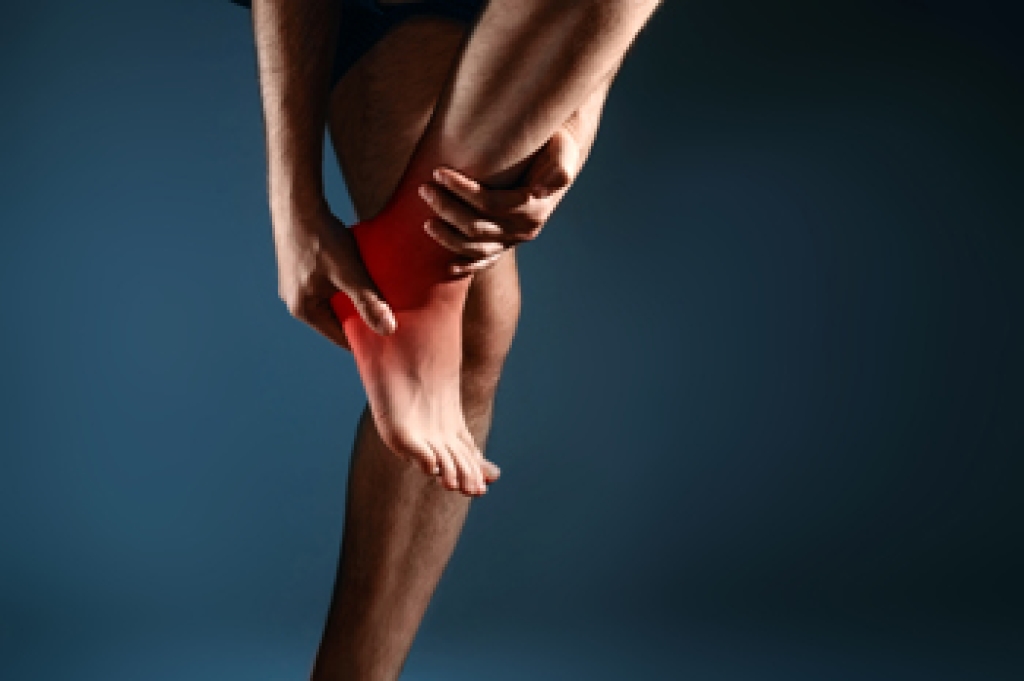
Heel pain can develop for many reasons, and identifying the source of the discomfort often helps guide care. Plantar fasciitis typically causes sharp pain on the bottom of the heel when stepping out of bed, while Achilles tendonitis leads to tightening or burning at the back of the heel. Bursitis can create a deep ache where soft tissue becomes irritated near the heel bone, and a heel spur may cause sharp pain during weight-bearing. Stress fractures of the heel bone cause swelling and tenderness that worsen with activity, and fat pad atrophy leads to a bruised feeling under the heel. Children may experience Sever’s disease, which causes pain at the back of the heel during running and jumping. A podiatrist can identify the reason for the pain, decide whether imaging or surgery is needed, and offer treatment like orthotics, when appropriate. If you have persistent or unexplained heel pain, it is suggested that you schedule an appointment with a podiatrist for a diagnosis and options for treatment.

Many people suffer from bouts of heel pain. For more information, contact Dr. Joshua David Scoll of Pennsylvania. Our doctor can provide the care you need to keep you pain-free and on your feet.

Causes of Heel Pain

Heel pain is often associated with plantar fasciitis. The plantar fascia is a band of tissues that extends along the bottom of the foot. A rip or tear in this ligament can cause inflammation of the tissue.

Achilles tendonitis is another cause of heel pain. Inflammation of the Achilles tendon will cause pain from fractures and muscle tearing. Lack of flexibility is also another symptom.

Heel spurs are another cause of pain. When the tissues of the plantar fascia undergo a great deal of stress, it can lead to ligament separation from the heel bone, causing heel spurs.

Why Might Heel Pain Occur?

  • Wearing ill-fitting shoes                
  • Wearing non-supportive shoes
  • Weight change           
  • Excessive running

Treatments

Heel pain should be treated as soon as possible for immediate results. Keeping your feet in a stress-free environment will help. If you suffer from Achilles tendonitis or plantar fasciitis, applying ice will reduce the swelling. Stretching before an exercise like running will help the muscles. Using all these tips will help make heel pain a condition of the past.

If you have any questions, please feel free to contact one of our offices located in Philadelphia, Bensalem . We offer the newest diagnostic and treatment technologies for all your foot care needs.

Read more about Heel Pain

Wounds That Don't Heal Need to Be Checked

Your feet are covered most of the day. If you're diabetic, periodic screening is important for good health. Numbness is often a sign of diabetic foot and can mask a sore or wound.

Connect With Us