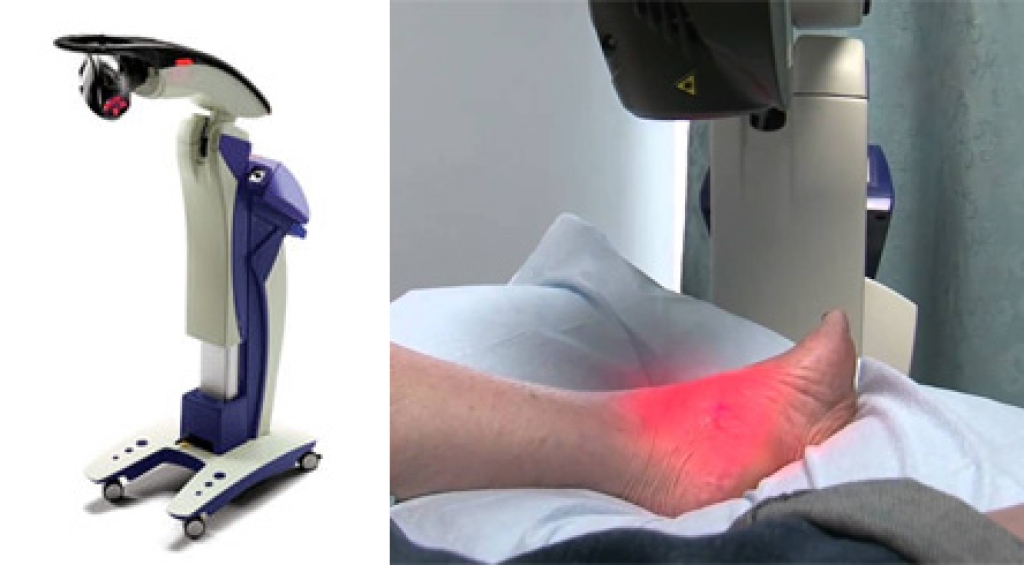
Can Shockwave Therapy Help Plantar Fasciitis?

Patients who have chronic foot pain may understand the benefits of receiving shockwave therapy. Shockwave therapy can be helpful in alleviating pain that comes from plantar fasciitis. There are two forms of this type of treatment, and they are known as high and low energy. The former is administered in three or more sessions, which are generally not painful. The latter is often given with a form of anesthesia and can produce severe pain and discomfort. Both forms of this type of treatment use pressurized air or electromagnetic pulses, which may be effective in reducing a portion of chronic foot pain from plantar fasciitis. If you have this type of foot pain, schedule a consultation with your podiatrist to help you determine if this type of treatment is correct for you.

Shockwave therapy is a treatment commonly used to treat various injuries and conditions, particularly plantar fasciitis in the feet. To learn more, consult with Dr. Joshua David Scoll from Pennsylvania. Our doctor can provide the care you need to keep you pain-free and on your feet.

Shockwave Therapy

Shockwave therapy is a new treatment option designed to treat bone conditions such as tennis elbow, shoulder pain, and others. Shockwave therapy uses high intensity sound waves that are directed to the affected tissues of the body with pinpoint accuracy. The effects are very beneficial, leading to a production of collagen fibers, eliminating inflammation.

Who Benefits from Shockwave?

Shockwave is recommended for patients suffering from heel pain and associated problems. Heel pain is a common condition which can be caused by obesity, overexertion, and spending a substantial amount of time on hard floors with your feet exposed and unsupported.

Fast and Easy

The therapy is actually a simple process that can leave patients feeling better the very next day. Shockwave therapy is not as dramatic as it sounds. It enables more blood flow to effected areas, addressing the source of the problem and allowing treatment to last for a long time.

Treatment & Recovery Time

Shockwave treatment will enable your feet to recover quickly. This is especially important since surgery is not required. It is cost effective and does not require the use of anesthesia. This treatment is a better option to surgery, since it is proven safe.

If you have any questions, please feel free to contact one of our offices located in Philadelphia, Bensalem . We offer the newest diagnostic and treatment technologies for all your foot care needs.
Read more about Treating Heel Pain with Shockwave Therapy

Habits That Can Help to Prevent Running Injuries

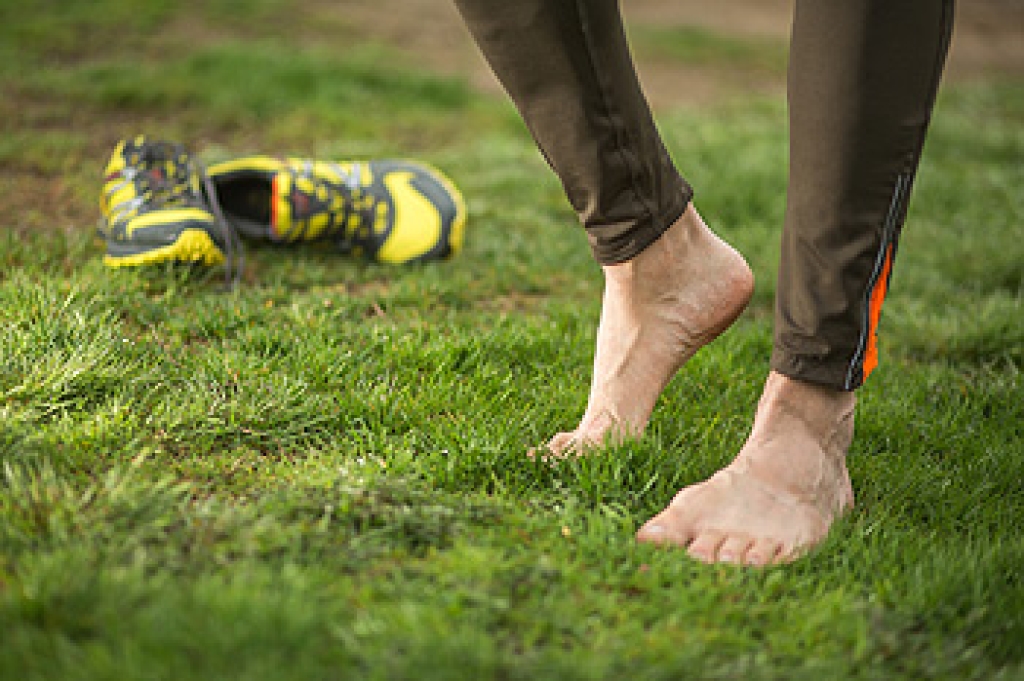
Research has shown it is beneficial for runners to develop habits that may help to prevent running injuries. Warming up before a run can improve range of motion and improve flexibility. Many runners find it helpful to begin their run with a purpose. This may include focusing on speed one day, and endurance the next day, in addition to deciding on what type of road to run on. Implementing breathing techniques may help to reduce any stiffness and tension that has developed during the run. It is important to stretch the body daily before a running practice begins, as this can help the hips, ankles and knees to remain flexible. If you would like additional information about how to prevent running injuries, it is suggested to counsel with a podiatrist, who can provide you with the correct techniques.

All runners should take extra precaution when trying to avoid injury. If you have any concerns about your feet, contact Dr. Joshua David Scoll of Pennsylvania. Our doctor will treat your foot and ankle needs.

How to Prevent Running Injuries

There are a lot of mistakes a runner can make prior to a workout that can induce injury. A lot of athletes tend to overstretch before running, instead of saving those workouts for a post-run routine. Deep lunges and hand-to-toe hamstring pulls should be performed after a workout instead of during a warmup. Another common mistake is jumping into an intense routine before your body is physically prepared for it. You should try to ease your way into long-distance running instead of forcing yourself to rush into it.

More Tips for Preventing Injury

  • Incorporate Strength Training into Workouts - This will help improve the body’s overall athleticism
  • Improve and Maintain Your Flexibility – Stretching everyday will help improve overall performance
  • “Warm Up” Before Running and “Cool Down” Afterward – A warm up of 5-10 minutes helps get rid of lactic acid in the muscles and prevents delayed muscle soreness
  • Cross-Training is Crucial
  • Wear Proper Running Shoes
  • Have a Formal Gait Analysis – Poor biomechanics can easily cause injury

If you have any questions, please feel free to contact one of our offices located in Philadelphia, Bensalem . We offer the newest diagnostic and treatment technologies for all your foot care needs.
Read more about Preventing Running Injuries

Heel Spur Facts

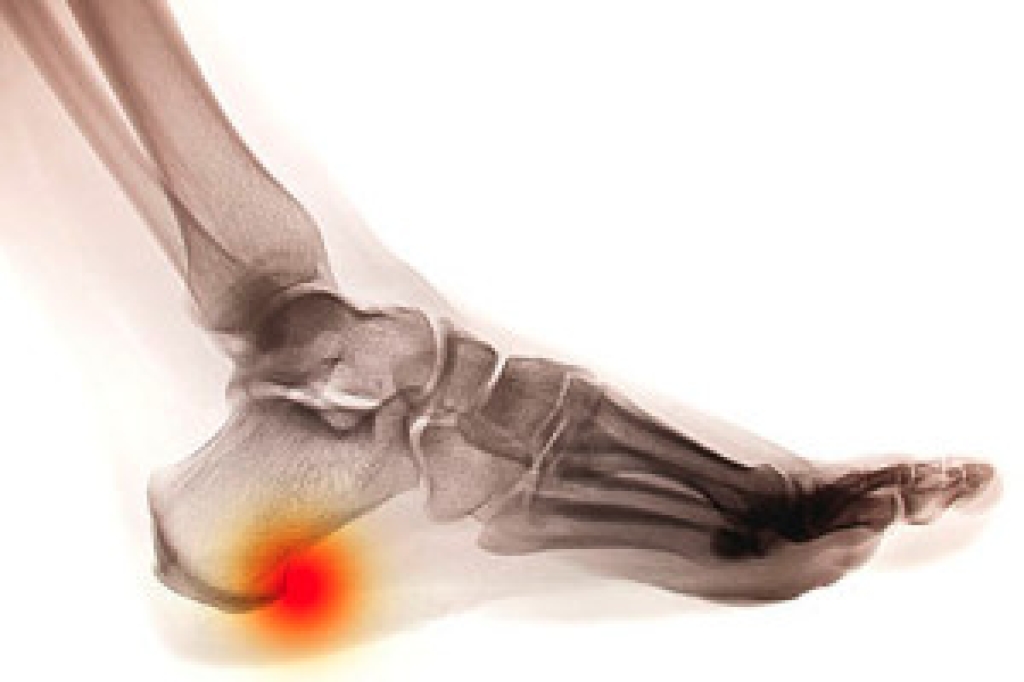
A heel spur is a bony protruding outgrowth on the bone of the heel. They can be located either at the back of the heel or under it. Heel spurs located at the back of the heel are most often associated with inflammation of the Achilles tendon, which can cause tenderness and heel pain. Heel spurs will be diagnosed based on if you have a history of heel pain and if there is tenderness at the bottom of the heel. An X-Ray is typically required to confirm this. Some treatments for heel spurs include applying ice to the spot of the spur, orthotic devices or shoe inserts, anti-inflammatory medications such as Aleve and Advil, cortisone injections and sometimes surgery. Generally, heel spurs don’t lead to any long term conditions, as they usually respond well to the treatments mentioned previously. If you feel you may have developed a heel spur, it is advised that you go see a podiatrist.


Heel spurs can be incredibly painful and sometimes may make you unable to participate in physical activities. To get medical care for your heel spurs, contact Dr. Joshua David Scoll from Pennsylvania. Our doctor will do everything possible to treat your condition.

Heels Spurs

Heel spurs are formed by calcium deposits on the back of the foot where the heel is. This can also be caused by small fragments of bone breaking off one section of the foot, attaching onto the back of the foot. Heel spurs can also be bone growth on the back of the foot and may grow in the direction of the arch of the foot.

Older individuals usually suffer from heel spurs and pain sometimes intensifies with age. One of the main condition's spurs are related to is plantar fasciitis.

Pain

The pain associated with spurs is often because of weight placed on the feet. When someone is walking, their entire weight is concentrated on the feet. Bone spurs then have the tendency to affect other bones and tissues around the foot. As the pain continues, the feet will become tender and sensitive over time.

Treatments

There are many ways to treat heel spurs. If one is suffering from heel spurs in conjunction with pain, there are several methods for healing. Medication, surgery, and herbal care are some options.

If you have any questions, please feel free to contact one of our offices located in Philadelphia, Bensalem . We offer the newest diagnostic and treatment technologies for all your foot care needs.

Read more about How to Treat Heel Spurs

What Are Systemic Diseases of the Foot?

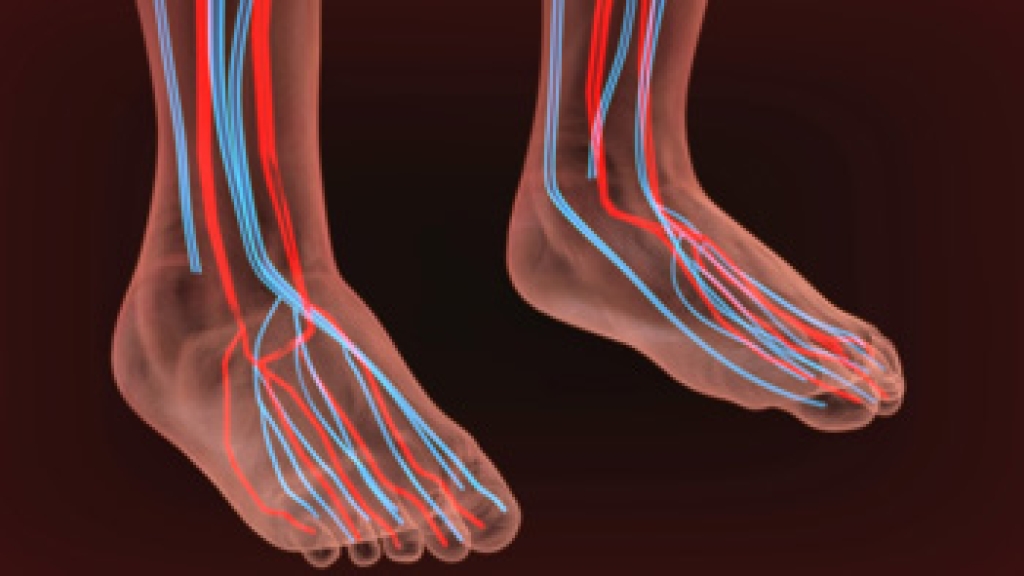
There are several systemic diseases that can both display symptoms in the feet and impact the health of the feet. Common systemic diseases in the foot include gout, diabetes mellitus, arthritis and neurological disorders such as diabetic neuropathy and peripheral vascular disease. These can all have a significant impact on your feet. At the same time, these systemic diseases can be effectively treated to minimize both joint and muscle damage if they are diagnosed early and treated with medication. Diabetics with a systemic disease must closely monitor their blood sugar levels. People with arthritis that also have a systemic disease must ensure they are taking the proper treatments. If you feel you may have a systemic disease, it is important to see a podiatrist as soon as you can.

When dealing with systemic disease of the feet, it is extremely important to check the affected areas routinely so that any additional problems are caught quickly.  If you have any concerns about your feet and ankles contact Dr. Joshua David Scoll from Pennsylvania. Our doctor will assist you with all of your podiatric needs.

Systemic Diseases of the Feet

Systemic diseases affect the whole body, and symptoms usually are displayed in the feet. This condition can make a patient’s ability to walk unbearable.  Systemic diseases include gout, diabetes mellitus, neurological disorders, and arthritis.

Gout – is caused by an excess of uric acid in the body. Common symptoms include pain, inflammation, and redness at the metatarsal/phalangeal joint of the base big toe. Gout can be treated by NSAIDs to relieve pain and inflammation, and other drugs that lower the acid levels in the body.

Diabetes mellitus – is an increase in the level of blood sugar that the body cannot counteract with its own insulin. Failure to produce enough insulin is a factor in Diabetes.

Diabetes of the Feet

Diabetic Neuropathy – may lead to damaged nerves and affect the feet through numbness and loss of sensation.

Peripheral Vascular Disease – can restrict the blood flow to the feet, and often times lead to amputation of the feet. 

If you have any questions please contact one of our offices located in Philadelphia, Bensalem . We offer the newest diagnostic and treatment technologies for all your foot and ankle needs.

Read more about Systemic Diseases of the Foot

It's Time for Beautiful Feet

You don't need an excuse to have beautiful nails. Step outside without worrying about the appearance of your feet.

Connect With Us