Cuboid Syndrome and Midfoot Pain

Cuboid syndrome is a source of pain along the outer middle portion of the foot. It is thought to involve a small disruption in the normal position or movement of the cuboid, a bone located on the outside of the midfoot. This change can irritate nearby ligaments, the joint capsule, and a tendon that passes beneath the cuboid. Cuboid syndrome may develop after an ankle sprain or from repeated stress on the foot. It has been reported in both athletic and non-athletic populations, although athletes may be affected more often. Because the symptoms can resemble other foot injuries, cuboid syndrome is sometimes overlooked or misdiagnosed.


Pain is usually felt directly over the cuboid and may spread toward the arch or along the outside of the foot. Some people experience pain while bearing weight, while others may notice discomfort even when the foot is resting. Swelling, redness, and tenderness may also occur. Pain can cause weakness during the push-off portion of walking, making normal movement uncomfortable. Diagnosing cuboid syndrome can be challenging because there is no single test that confirms it. X-rays, CT scans, and MRI scans generally do not show the small joint changes associated with this condition. However, imaging may be useful for ruling out fractures or other foot problems.


A podiatrist can evaluate lateral foot pain by reviewing how the symptoms began and carefully examining the painful area. The evaluation may include checking foot and ankle movement and determining whether certain motions reproduce the symptoms. Treatment may involve professional manipulation of the cuboid to restore normal joint function. Therapeutic exercise, padding, or supportive taping may also be incorporated into a treatment plan. Because several other injuries can cause similar outer-foot pain, an accurate diagnosis is important before treatment begins. If persistent pain or tenderness develops along the outside of your midfoot, it is suggested that you consult a podiatrist for an evaluation and appropriate treatment options.

Cuboid syndrome, also known as cuboid subluxation, occurs when the joints and ligaments near the cuboid bone in the foot become torn. If you have cuboid syndrome, consult with Dr. Joshua David Scoll from Pennsylvania. Our doctor will assess your condition and provide you with quality foot and ankle treatment.

Cuboid syndrome is a common cause of lateral foot pain, which is pain on the outside of the foot. The condition may happen suddenly due to an ankle sprain, or it may develop slowly overtime from repetitive tension through the bone and surrounding structures.

Causes

The most common causes of cuboid syndrome include:

  • Injury – The most common cause of this ailment is an ankle sprain.
  • Repetitive Strain – Tension placed through the peroneus longus muscle from repetitive activities such as jumping and running may cause excessive traction on the bone causing it to sublux.
  • Altered Foot Biomechanics – Most people suffering from cuboid subluxation have flat feet.

Symptoms

A common symptom of cuboid syndrome is pain along the outside of the foot which can be felt in the ankle and toes. This pain may create walking difficulties and may cause those with the condition to walk with a limp.

Diagnosis

Diagnosis of cuboid syndrome is often difficult, and it is often misdiagnosed. X-rays, MRIs and CT scans often fail to properly show the cuboid subluxation. Although there isn’t a specific test used to diagnose cuboid syndrome, your podiatrist will usually check if pain is felt while pressing firmly on the cuboid bone of your foot.

Treatment

Just as the range of causes varies widely, so do treatments. Some more common treatments are ice therapy, rest, exercise, taping, and orthotics.

If you have any questions, please feel free to contact one of our offices located in Philadelphia, Bensalem . We offer the newest diagnostic and treatment technologies for all your foot care needs.
Read more about All About Cuboid Syndrome

Foot Wound Care Begins With Early Attention

Foot wounds are breaks in the skin that can range from cuts and blisters to deeper ulcers. They may develop from friction, injuries, or stress. Symptoms can include redness, swelling, or drainage. Warmth, tenderness, or changes in skin color are also common. Some people may have little pain even when a wound is serious. Risk factors include diabetes, neuropathy, or obesity. Early foot wound care can reduce complications and support healing.

Preventing foot wounds starts with daily inspection. Check both feet for cuts, blisters, and temperature changes. A warmer or cooler area can signal inflammation or reduced circulation, and should not be ignored. Keep skin clean and moisturized, while avoiding lotion between the toes. Wear properly-fitted shoes and clean socks that reduce friction. If you cannot see the bottoms of your feet, use a mirror or ask for help.


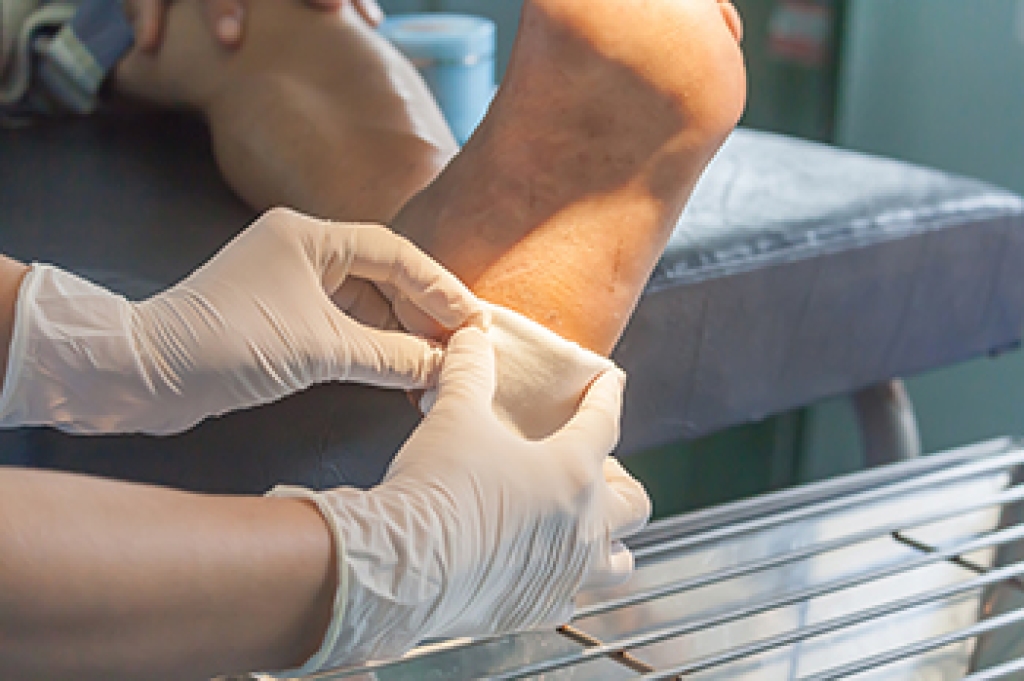
A podiatrist can evaluate a current wound and determine its depth, cause, and infection risk. Treatment may include cleaning the wound, removing unhealthy tissue, and applying an appropriate dressing around the wound. Your podiatrist may recommend specialized footwear or off-loading devices to protect the wound. Toenails should be trimmed carefully, especially when vision, flexibility, or sensation is limited. Follow-up visits help monitor progress and adjust treatment.


Do not ignore a wound that is enlarging, becoming red, or failing to heal. Prompt podiatric care is especially important when risk factors increase the chance of complications. A podiatrist can create a treatment plan and provide guidance for preventing future wounds and protect your long-term overall foot health. Inspect your feet daily and protect areas that show pressure or irritation. If you have a foot wound, it is suggested that you promptly consult a podiatrist for effective relief and treatment solutions. 

Wound care is an important part in dealing with diabetes. If you have diabetes and a foot wound or would like more information about wound care for diabetics, consult with Dr. Joshua David Scoll from Pennsylvania. Our doctor will assess your condition and provide you with quality foot and ankle treatment.

What Is Wound Care?

Wound care is the practice of taking proper care of a wound. This can range from the smallest to the largest of wounds. While everyone can benefit from proper wound care, it is much more important for diabetics. Diabetics often suffer from poor blood circulation which causes wounds to heal much slower than they would in a non-diabetic. 

What Is the Importance of Wound Care?

While it may not seem apparent with small ulcers on the foot, for diabetics, any size ulcer can become infected. Diabetics often also suffer from neuropathy, or nerve loss. This means they might not even feel when they have an ulcer on their foot. If the wound becomes severely infected, amputation may be necessary. Therefore, it is of the upmost importance to properly care for any and all foot wounds.

How to Care for Wounds

The best way to care for foot wounds is to prevent them. For diabetics, this means daily inspections of the feet for any signs of abnormalities or ulcers. It is also recommended to see a podiatrist several times a year for a foot inspection. If you do have an ulcer, run the wound under water to clear dirt from the wound; then apply antibiotic ointment to the wound and cover with a bandage. Bandages should be changed daily and keeping pressure off the wound is smart. It is advised to see a podiatrist, who can keep an eye on it.

If you have any questions please contact one of our offices located in Philadelphia, Bensalem . We offer the newest diagnostic and treatment technologies for all your foot and ankle needs.

Read more about Wound Care

Broken Foot Symptoms and Causes

A broken foot, also called a foot fracture, occurs when one or more bones in the foot crack or break. It can happen after a fall, direct impact, or repeated stress. Symptoms include pain, swelling, and difficulty moving the foot. Some people hear a snap or grinding noise when the injury happens. Walking may become difficult or impossible, especially when pressure is placed on the injured area.

Several factors can increase the risk of a broken foot. Sports activities, falls, and weakened bones can make fractures more likely. Wearing improper footwear may also increase injury risk during certain activities. Stress fractures can develop gradually from repeated impact, particularly after sudden changes in exercise. A podiatrist can evaluate the injury, review how it happened, and foot movement. X-rays or other imaging tests may be recommended to confirm the diagnosis.


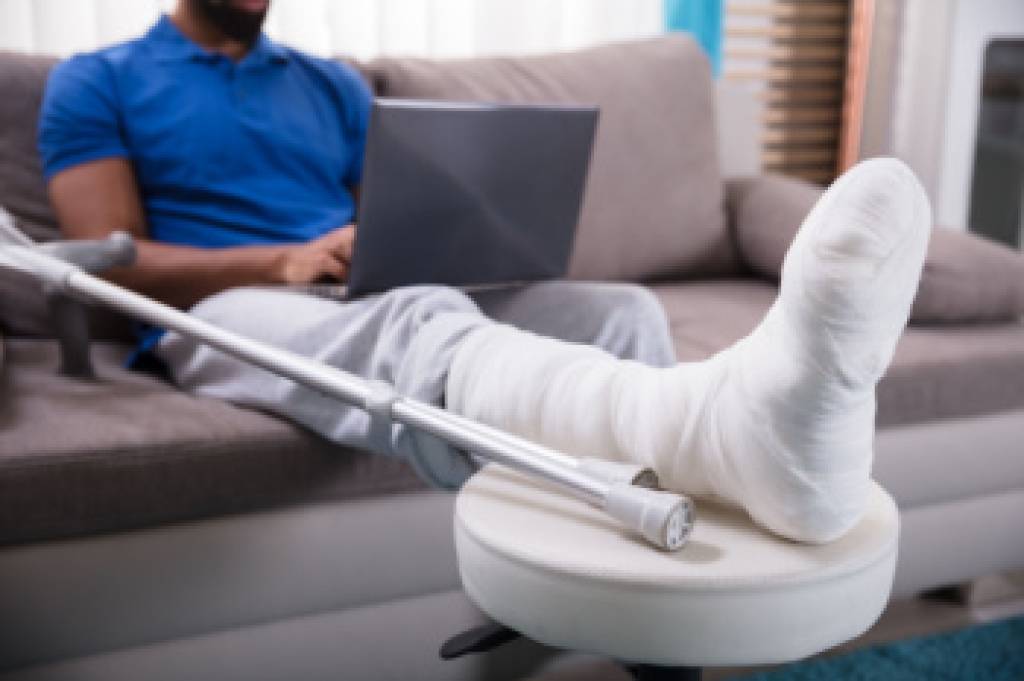
Treatment depends on the location and severity of the fracture. A podiatrist may recommend immobilization with a cast or walking boot to protect the injured bones. Some fractures may require crutches or limited weight-bearing while healing. More serious breaks may need surgical treatment to realign and stabilize the bones. Follow-up appointments help monitor healing and ensure that the foot remains properly aligned. Avoid returning to strenuous activity until the foot has recovered.


Many broken feet heal in about four to six weeks, although recovery can take longer depending on the severity of the fracture and overall health. Following weight-bearing instructions is important for proper healing. Keep the foot protected and report increasing pain, swelling, or color changes promptly. Gradually returning to normal activity can help prevent reinjury and help restore safe, comfortable movement. If you have broken your foot, it is suggested that you consult a podiatrist for effective relief and treatment solutions.

A broken foot requires immediate medical attention and treatment. If you need your feet checked, contact Dr. Joshua David Scoll from Pennsylvania. Our doctor can provide the care you need to keep you pain-free and on your feet.

Broken Foot Causes, Symptoms, and Treatment

A broken foot is caused by one of the bones in the foot typically breaking when bended, crushed, or stretched beyond its natural capabilities. Usually the location of the fracture indicates how the break occurred, whether it was through an object, fall, or any other type of injury. 

Common Symptoms of Broken Feet:

  • Bruising
  • Pain
  • Redness
  • Swelling
  • Blue in color
  • Numbness
  • Cold
  • Misshapen
  • Cuts
  • Deformities

Those that suspect they have a broken foot shoot seek urgent medical attention where a medical professional could diagnose the severity.

Treatment for broken bones varies depending on the cause, severity and location. Some will require the use of splints, casts or crutches while others could even involve surgery to repair the broken bones. Personal care includes the use of ice and keeping the foot stabilized and elevated.

If you have any questions, please feel free to contact one of our offices located in Philadelphia, Bensalem . We offer the newest diagnostic and treatment technologies for all your foot care needs.
Read more about Causes, Symptoms, and Treatment for a Broken Foot

Cracked Heels and Everyday Causes of Dry Skin

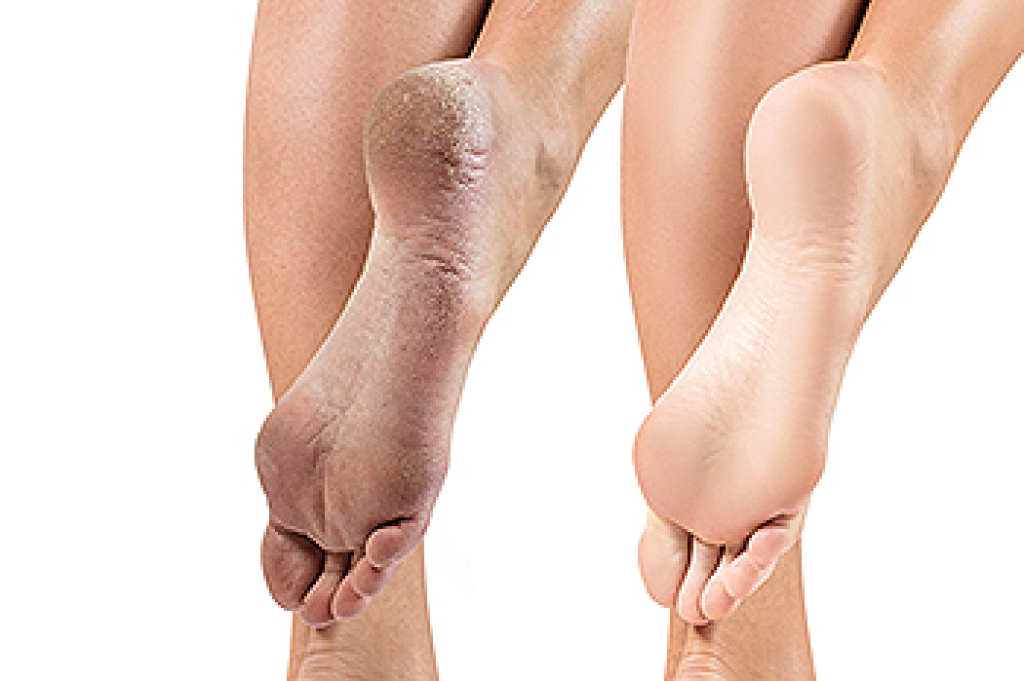
Cracked heels develop when the skin around the heel becomes dry, thick, and less flexible. Pressure from walking can cause hardened skin to split, creating visible lines or deeper fissures. Symptoms may include roughness, flaking, and painful cracks. Environmental conditions often contribute. Heat and humidity can increase moisture loss, while cold weather can leave skin dry and irritated. Frequent bathing and harsh skin cleansers may remove natural oils, making the heel skin more likely to crack.

Risk factors include long periods of standing, walking, and wearing open-back shoes that allow the heel to spread. Age can also increase risk because skin gradually loses moisture and elasticity. Repeated exposure to hot water, dry indoor air, and aggressive scrubbing may worsen dryness. People with certain health conditions affecting skin or circulation can develop persistent cracked heels. Recognizing these factors can make prevention easier and help you address dryness before painful fissures develop.


A podiatrist will examine the heels, assess crack depth, and look for irritation or infection. Treatment may include professional removal of thickened skin and a moisturizing cream containing urea or another ingredient. Your podiatrist may also recommend supportive footwear that reduces heel pressure. If infection or inflammation is present, medication may be needed. You may be advised to avoid harsh cleansers, prolonged hot showers, and excessive scraping while keeping the heels moisturized regularly.


Preventing cracked heels requires consistent care and attention to environmental triggers. Use a gentle cleanser, apply moisturizer after bathing, and wear supportive shoes that protect the heel. During cold weather, protect your feet from dry air and avoid very hot water. Seek podiatric care if cracks become deep, painful, or difficult to heal. If you have painful cracked heels, it is suggested that you consult a podiatrist for effective treatment solutions.

If the skin on your feet starts to crack, you may want to see a podiatrist to find treatment. If you have any concerns, contact Dr. Joshua David Scoll from Pennsylvania. Our doctor can provide the care you need to keep you pain-free and on your feet.

Cracked Heels

It is important to moisturize your cracked heels in order to prevent pain, bleeding, and infection. The reason cracked heels form is because the skin on the foot is too dry to support the immense pressure placed on them. When the foot expands, the dry skin on the foot begins to split.

Ways to Help Heal Them

  • Invest in a good foot cream
  • Try Using Petroleum Jelly
  • Ease up on Soaps
  • Drink Plenty of Water

Ways to Prevent Cracked Heels

  • Moisturize After Showering
  • Skip a Shower
  • Keep Shower Water Lukewarm
  • Don’t Scrub Your Feet

If you are unsure how to proceed in treating cracked heels, seek guidance from a podiatrist. Your doctor will help you with any questions or information you may need. 

If you have any questions, please feel free to contact one of our offices located in Philadelphia, Bensalem . We offer the newest diagnostic and treatment technologies for all your foot care needs.

Read more about Solutions for Cracked Heels

Heel Pain Can Be Treated!

Do you suffer from heel pain when you get up in the morning? If so, you should seek professional help and have a proper diagnosis performed. Heel pain can be caused by several different foot-related conditions.

Connect With Us