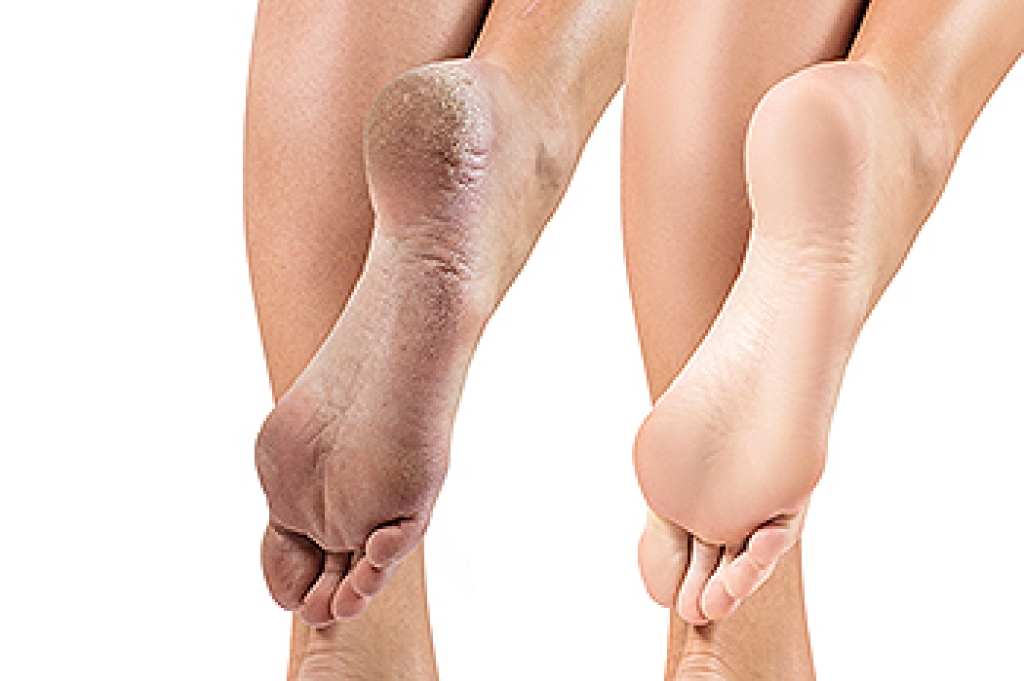
Cracked heels develop when the skin around the heel becomes dry, thick, and less flexible. Pressure from walking can cause hardened skin to split, creating visible lines or deeper fissures. Symptoms may include roughness, flaking, and painful cracks. Environmental conditions often contribute. Heat and humidity can increase moisture loss, while cold weather can leave skin dry and irritated. Frequent bathing and harsh skin cleansers may remove natural oils, making the heel skin more likely to crack.
Risk factors include long periods of standing, walking, and wearing open-back shoes that allow the heel to spread. Age can also increase risk because skin gradually loses moisture and elasticity. Repeated exposure to hot water, dry indoor air, and aggressive scrubbing may worsen dryness. People with certain health conditions affecting skin or circulation can develop persistent cracked heels. Recognizing these factors can make prevention easier and help you address dryness before painful fissures develop.
A podiatrist will examine the heels, assess crack depth, and look for irritation or infection. Treatment may include professional removal of thickened skin and a moisturizing cream containing urea or another ingredient. Your podiatrist may also recommend supportive footwear that reduces heel pressure. If infection or inflammation is present, medication may be needed. You may be advised to avoid harsh cleansers, prolonged hot showers, and excessive scraping while keeping the heels moisturized regularly.
Preventing cracked heels requires consistent care and attention to environmental triggers. Use a gentle cleanser, apply moisturizer after bathing, and wear supportive shoes that protect the heel. During cold weather, protect your feet from dry air and avoid very hot water. Seek podiatric care if cracks become deep, painful, or difficult to heal. If you have painful cracked heels, it is suggested that you consult a podiatrist for effective treatment solutions.
If the skin on your feet starts to crack, you may want to see a podiatrist to find treatment. If you have any concerns, contact Dr. Joshua David Scoll from Pennsylvania. Our doctor can provide the care you need to keep you pain-free and on your feet.
Cracked Heels
It is important to moisturize your cracked heels in order to prevent pain, bleeding, and infection. The reason cracked heels form is because the skin on the foot is too dry to support the immense pressure placed on them. When the foot expands, the dry skin on the foot begins to split.
Ways to Help Heal Them
- Invest in a good foot cream
- Try Using Petroleum Jelly
- Ease up on Soaps
- Drink Plenty of Water
Ways to Prevent Cracked Heels
- Moisturize After Showering
- Skip a Shower
- Keep Shower Water Lukewarm
- Don’t Scrub Your Feet
If you are unsure how to proceed in treating cracked heels, seek guidance from a podiatrist. Your doctor will help you with any questions or information you may need.
If you have any questions, please feel free to contact one of our offices located in Philadelphia, Bensalem . We offer the newest diagnostic and treatment technologies for all your foot care needs.
