KINBE Develops Adjustable Shoe for Growing Babies
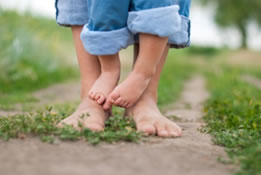 KINBE is a Los-Angeles based startup company that has developed an adjustable shoe for growing babies. Babies’ feet grow rapidly within their first couple years. KINBE CEO, Amber Cruse, stated that although a lot of companies claim to have made a shoe that can fit a wide variety of sizes, she has made a shoe that will fit through 20 months.
Making sure that your children maintain foot health is very important as they grow up. If you have any questions, contact Dr. Joshua David Scoll of Pennsylvania. Our doctor can provide the care you need to keep your pain free and on your feet.
Keeping Children's Feet Healthy
Having healthy feet in childhood can help prevent medical problems later in life, namely in the back and legs. As children grow, their feet require different types of care from birth to school-age.
Although babies do not walk yet, it is still very important to take care of their feet.
- Avoid putting tight shoes or socks on his or her feet
- Allow the baby to stretch and kick his or her feet to feel comfortable
As a toddler, kids are now on the move and begin to develop differently. At this age toddlers are getting a feel for walking, so don’t be alarmed if your toddler is unsteady or ‘walks funny’.
As your child gets older, it is important to teach them how to take care of their feet
- Show them proper hygiene to prevent infections such as fungus
- Be watchful of any pain or injury
- Have all injuries checked by a doctor as soon as possible
- Comfortable, protective shoes should always be worn, especially at play
If you have any questions please contact our offices located in Philadelphia and Bensalem, PA. We offer the newest diagnostic and treatment technologies for all your foot and ankle needs.
How to Prep for DIY Pedicures
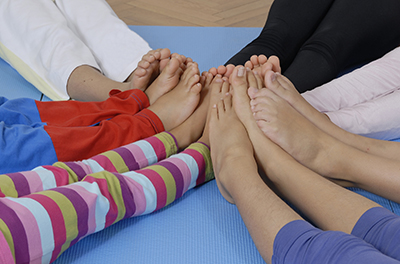 Pedicures are very important when it comes to maintaining healthy feet. Prior to giving yourself a pedicure, you should soak your feet in hot water with bath salts or oils. Soaking your feet will help soften calluses and remove any unwanted particles from your skin. The next step in yourDIY pedicure is to trim your toenails. Trimming your toenails will help prevent dirt from being trapped underneath them. You should be careful to cut straight across when trimming your nails, in order to prevent ingrown toenails. Be sure to file your nails in the same direction in order to avoid damaging them.
Every day foot care is very important to prevent infection and other foot ailments. If you need your feet checked contact Dr. Joshua David Scoll of Pennsylvania. Our doctor can provide the care you need to keep your pain free and on your feet.
Every Day Foot Care
Often, people take care of their bodies, face and hair more so than they do for their feet. But the feet are a very important aspect of our bodies, and one that we should pay more attention to. After all, without our feet, we would not be able to perform most daily tasks. It is best to check your feet regularly to make sure there are no new bruises or cuts that you may not have noticed before, for example.
For dry feet, moisturizer can easily be a remedy and can be applied as often as necessary to the affected areas. Wearing shoes that fit well can also help you maintain good foot health, as well as making it easier to walk and do daily activities without the stress or pain of ill-fitting shoes, high heels, or even flip flops.
Also, wearing clean socks with closed shoes is important to ensure that sweat and bacteria do not accumulate within the shoe. Clean socks help to prevent athlete’s foot, fungi problems, bad odors, and can absorb sweat.
If you have any questions please feel free to contact one of our offices located in Philadelphia and Bensalem, PA. We offer the newest diagnostic and treatment technologies for all your foot and ankle needs.
Read more about Everyday Foot Care
Invest in Good Quality Shoes
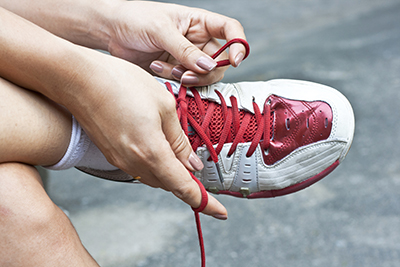 When you are about to exercise, you shouldn't wear old, worn-out shoes. A vast majority of foot issues develop as a result of wearing shoes that do not fit correctly. While shoe shopping, you should always look for proper fit and proper support. Shoes that have proper support will stabilize your feet and help prevent fatigue. You should also look for shoes that have cushioning. Investing in a good pair of shoes is important for your feet health because it will prevent a lot of injuries in the future.
Finding a properly-fitting shoe is important in reducing injuries and preventing foot problems. For more information about treatment, contact Dr. Joshua David Scoll of Pennsylvania. Our doctor can provide the care you need to keep your pain free and on your feet.
Proper Shoe Fitting
A common concern when it comes to foot health, having properly fitted shoes can help prevent injuries to the foot. Out feet affect our posture and gait, which in turn affects the biomechanics and overall bodily structure. With 33 joints, 26 bones, and over 100 ligaments, the potential for serious injury is much greater than one realizes. Although the feet cease growth in adulthood, they still change shape as they mature. Here are some factors to consider when it comes to investing in proper fitting shoes:
- Be sure the shoes fit correctly right away
- Ensure the ball of your foot fits comfortably in the widest portion of the shoes
- Even though they may look fashionable, improper fitting shoes can either create adverse conditions or exacerbate existing ones you may already have
- Walk along a carpeted surface to ensure the shoes comfortably fit during normal activity
Keeping in mind how shoes fit the biomechanics of your body, properly-fitting shoes is vitally important. Fortunately, it is not difficult to acquire footwear that fits correctly. Be sure to wear shoes that support the overall structure of your body. Do your feet a favor and invest in several pairs of well-fitted shoes today.
If you have any questions, please feel free to contact our office located in in Philadelphia and Bensalem, PA. We offer the newest diagnostic and treatment technologies for all your foot care needs.
Read more about proper shoe fitting.
Vancouver Whitecaps Forward recovers from Surgery
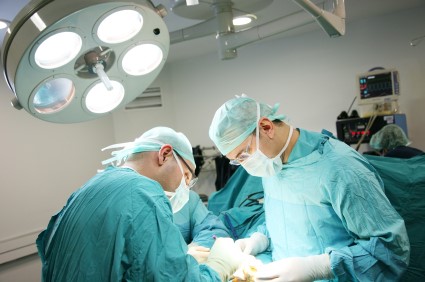 Kekuta Manneh, forward of the Vancouver Whitecaps, recently underwent surgery to repair a broken fifth metatarsal bone in his right foot. A timetable for his return was not released by the team, however head coach Carl Robinson has suggested Manneh can return this season. “Kekuta is an important member of the club and we’re happy to hear the surgery went well,” Robinson stated. “We anticipate he will make a complete recovery and will be back training with the group in the fall." This season Manneh has scored five goals and had two assists.
Foot surgery is sometimes necessary to fix a foot ailment. To learn more, contact Dr. Joshua David Scoll of Pennsylvania. Our doctor can provide the care you need to keep you pain-free and on your feet.
When Is Surgery Necessary?
Foot and ankle surgery is generally reserved for cases in which less invasive, conservative procedures have failed to help with the problem. Some of the cases in which surgery may be necessary are:
- Removing foot deformities like bone spurs and bunions
- Severe arthritis that has caused bone issues
- Cosmetic reconstruction
What Types of Surgery Are There?
The type of surgery you receive will depend on the nature of the problem you have. Some of the possible surgeries include:
- Bunionectomy for painful bunions
- Surgical fusion for realignment of bones
- Neuropathy decompression surgery to treat nerve damage
Benefits of Surgery
Although surgery is usually a last resort, it can provide more complete pain relief compared to non-surgical methods and may allow you to finally resume full activity.
Surgical techniques have also become increasingly sophisticated. Techniques like endoscopic surgery allow for smaller incisions and faster recovery times.
If you have any questions please contact our offices located in Philadelphia and Bensalem, PA. We offer the newest diagnostic and treatment technologies for all your foot and ankle needs.
Read more about foot surgery.
Apple Cider Vinegar May Help Treat Corns
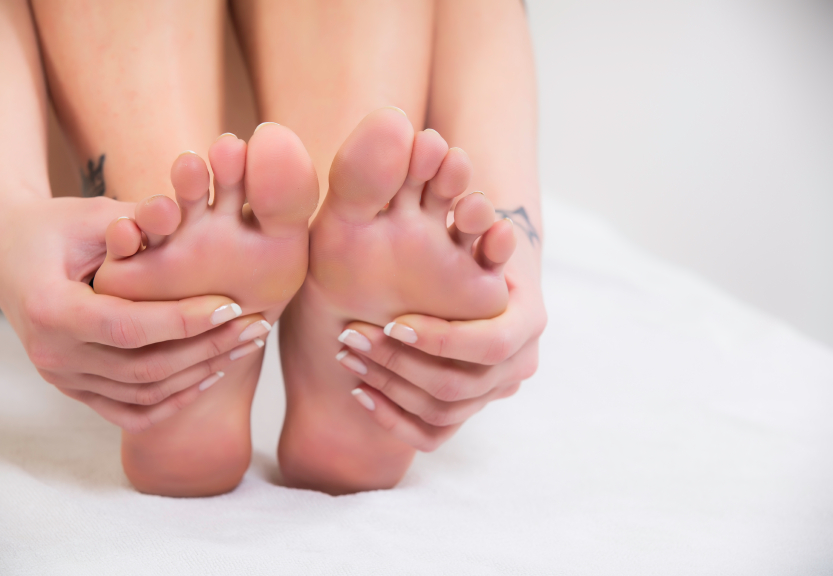 Summer is a time when people like to show off their feet. Nevertheless, you should make sure your feet are healthy before you wear flip flops and other footwear that expose your toes. Corns are hard, rounded calluses that can instantly make your feet look unattractive. Corns can be very painful when pressure is applied to them by wearing footwear. Soaking your feet in apple cider vinegar will help soften your skin and get rid of corns on your feet. You should rub a dab of castor oil on your corns after soaking your feet, in order to help get rid of them.
If you have any concerns about your feet and ankles contact Dr. Joshua David Scoll of Pennsylvania. Our doctorcan provide the care you need to keep your pain free and on your feet.
Corns: What are they? And how do you get rid of them?
Corns can be described as areas of the skin that have thickened to the point of becoming painful or irritating. They are often layers and layers of the skin that have become dry and rough, and are normally smaller than calluses.
Ways to Prevent Corns
There are many ways to get rid of painful corns such as wearing:
- Well-fitting socks
- Comfortable shoes that are not tight around your foot
- Shoes that offer support
Treating Corns
Treatment of corns involves removing the dead skin that has built up in the specific area of the foot. Salicylic acid can help in getting rid of these corns because it dissolves keratin, which is the protein that makes up a good majority of corns. Podiatrists recommend that people with diabetes not use salicylic acid but should consult with their podiatrist regarding the treatment of corns.
If you have any questions please contact our offices located in Philadelphia and Bensalem, PA. We offer the newest diagnostic and treatment technologies for all your foot and ankle needs.
Read more about Corns on the Feet
Treat Hammertoe in its Early Stages
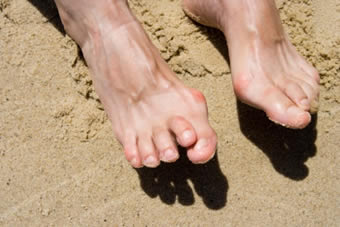 Hammertoe is a bending deformity of joints in your toes. The condition needs to be treated early in order to prevent it from worsening. Hammertoe does not get better without intervention. Fortunately, there is a simple way for you to check to see if you have the deformity in your feet. You should first relax and set your feet and toes flat on the ground. If it looks like you are drawing your toes toward the ceiling, you might have hammertoe.
Hammertoes can be a painful condition to live with. For more information,contact Dr. Joshua David Scoll of Pennsylvania. Our doctor will answer any of your foot- and ankle-related questions.
Hammertoe
Hammertoe is a foot deformity that affects the joints of the second, third, fourth, or fifth toes of your feet. It is a painful foot condition in which these toes curl and arch up, which can often lead to pain when wearing footwear.
Symptoms
- Pain in the affected toes
- Development of corns or calluses due to friction
- Inflammation
- Redness
- Contracture of the toes
Causes
- Genetics – people who are genetically predisposed to hammertoe are often more susceptible
- Arthritis – because arthritis affects the joints in your toes, further deformities stemming from arthritis can occur
- Trauma – direct trauma to the toes could potentially lead to hammertoe
- Ill-fitting shoes – undue pressure on the front of the toes from ill-fitting shoes can potentially lead to the development of hammertoe
Treatment
- Orthotics – custom made inserts can be used to help relieve pressure placed on the toes and therefore relieve some of the pain associated with it
- Medications – oral medications such as anti-inflammatories or NSAIDs could be used to treat the pain and inflammation hammertoes causes. Injections of corticosteroids are also sometimes used
- Surgery – in more severe cases where the hammertoes have become more rigid, foot surgery is a potential option
If you have any questions please contact our offices located in Philadelphia and Bensalem, PA. We offer the newest diagnostic and treatment technologies for all your foot and ankle needs.
Diabetic Foot Screening
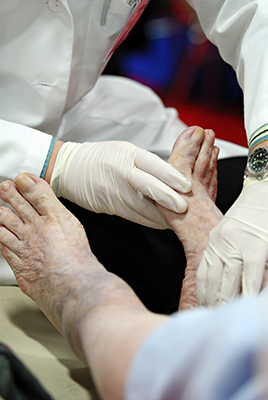 Diabetic foot screening is very important because it can help prevent a variety of problems. Foot screening can help detect issues such as ulcers and infection. Treatments need to be used for diabetics who have these issues in order to allow them to better control their blood sugar.
Diabetic foot care is important in preventing foot ailments such as ulcers. If you are suffering from diabetes or have any other concerns about your feet contact Dr. Joshua David Scoll of Pennsylvania. Our doctor can provide the care you need to keep your pain free and on your feet.
Diabetic Foot Care
Diabetes affects millions of people every year. Diabetes can damage blood vessels in many parts of the body, including the feet. Because of this, taking care of your feet is essential if you have diabetes, and having a podiatrist help monitor your foot health is highly recommended.
The Importance of Caring for Your Feet
- Routinely inspect your feet for bruises or sores.
- Wear socks that fit your feet comfortably.
- Wear comfortable shoes that provide adequate support.
Patients with diabetes should have their doctor monitor their blood levels because blood sugar levels play such a huge role in diabetic care. Monitoring these levels on a regular basis is highly advised.
It is always best to inform your healthcare professional of any concerns you may have regarding your feet, especially for diabetic patients. Early treatment and routine foot examinations are keys to maintaining proper health, especially because severe complications can arise if proper treatment is not applied.
If you have any questions please feel free to contact our office located in Philadelphia and Bensalem, PA. We offer the newest diagnostic and treatment technologies for all your foot and ankle needs.
Read more about Diabetic Foot Care
Cullen Helps Penguins Win Cup with Broken Toe
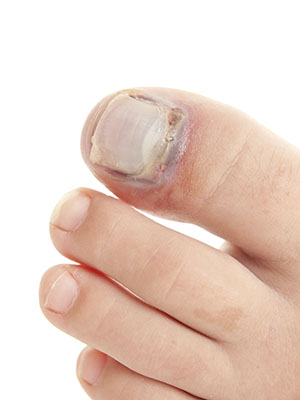 Penguins’ Center Matt Cullen recently admitted that he has been playing with a broken toe. However he finished the playoffs with four goals and six points in twenty four games. Cullen played a very important role in helping the Pittsburgh Penguins win the Stanley Cup during against the San Jose Sharks.
A broken toe can be very painful and lead to complications if not properly fixed. If you have any concerns about your feet, contact Dr. Joshua David Scoll of Pennsylvania. Our doctorwill treat your foot and ankle needs.
What to Know About a Broken Toe
Although most people try to avoid foot trauma such as banging, stubbing, or dropping heavy objects on their feet, the unfortunate fact is that it is a common occurrence. Given the fact that toes are positioned in front of the feet, they typically sustain the brunt of such trauma. When trauma occurs to a toe, the result can be a painful break (fracture).
Symptoms of a Broken Toe
- throbbing pain
- swelling
- bruising on the skin and toenail
- the inability to move the toe
- toe appears crooked or disfigured
- tingling or numbness in the toe
Generally, it is best to stay off of the injured toe with the affected foot elevated.
Severe toe fractures may be treated with a splint, cast, and in some cases, minor surgery. Due to its position and the pressure it endures with daily activity, future complications can occur if the big toe is not properly treated.
If you have any questions, please feel free to contact our offices located in Philadelphia and Bensalem, PA. We offer the newest diagnostic and treatment technologies for all your foot care needs.
Read more about a broken toe.
Walker Injures Achilles Tendon During Game
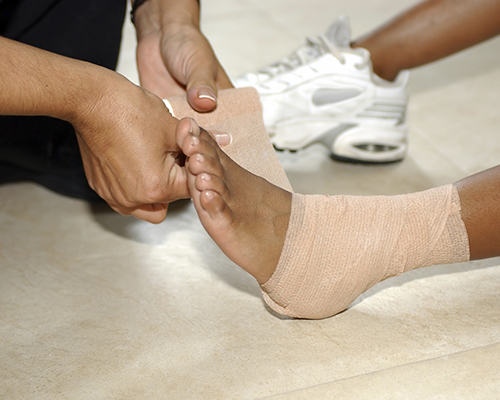 Seattle Mariners’ RHP Taijuan Walker injured his right Achilles tendon during his start against the Tampa Bay Rays. He left the game after giving up a triple to Cory Dickerson in the fourth inning. Edwin Diaz was later called from the bullpen to replace the injured Walker.
Achilles tendon injuries need immediate attention to avoid future complications. If you have any concerns contact Dr. Joshua David Scoll of Pennsylvania. Our doctorwill treat your foot and ankle needs.
What is the Achilles Tendon?
The Achilles tendon is a tendon that connects the lower leg muscles and calf to the heel of the foot. It is the strongest tendon in the human body and is essential for making movement possible. Because this tendon is such an integral part of the body, any injuries to it can cause severe difficulties and should immediately be presented to a doctor.
What are the symptoms of an Achilles Tendon Injury?
There are various types of injuries that can affect the Achilles tendon. The two most common are Achilles tendinitis and ruptures of the tendon.
Achilles Tendinitis Symptoms
- Inflammation
- Dull to Severe Pain
- Increased blood flow to the tendon
- Thickening of the tendon
Rupture Symptoms
- Extreme pain and swelling in the foot
- Total immobility
Treatment and Prevention
Achilles tendon injuries are diagnosed by a thorough physical evaluation, which can include an MRI. Treatment involves rest, physical therapy, and in some cases, surgery. However, various preventative measures can be taken to avoid these injuries, such as:
- Thorough stretching of the tendon before and after exercise
- Strengthening exercises like calf raises, squats, leg curls, leg extensions, leg raises, lunges, and leg presses
If you have any questions, please feel free to contact our office in Philadelphia and Bensalem, PA. We offer the newest diagnostic and treatment technologies for all your foot care needs.
Read more about Achilles tendon injuries.
Why You Need to Stretch Your Feet
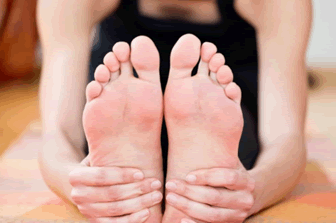 Foot injuries are very common, and athletes tend to ignore them while planning out their stretching routines. There are ways to exercise and stretch the feet and prevent them from becoming injured. One method is to “fan your toes.” The first step is to stand with your feet hip-distance apart. You then want to lift your toes off the floor and hold them for a few seconds before laying them down again. Another method is the “toe wave.” In order to do this, you have to lift your toes, and then lower them. Next, you have to keep your big toes grounded while raising the rest of your toes. Afterward, lift all your toes off the floor, one by one. The last method is simply done by picking up marbles off the floor. Exercising your feet on a daily basis can help prevent unwanted foot injuries during athletic performance. Stretching the feet is recommended especially if you have foot conditions such as plantar fasciitis or pain in the heels.
Stretching the feet is a great way to prevent injuries. If you have any concerns with your feet consult with Dr. Joshua David Scoll of Pennsylvania. Our doctor will assess your condition and provide you with quality foot and ankle treatment.
Stretching Your Feet
Being the backbone of the body, the feet carry your entire weight and can easily become overexerted, causing cramps and pain. As with any body part, stretching your feet can serve many benefits. From increasing flexibility to even providing some pain relief, be sure to give your feet a stretch from time to time. This is especially important for athletes or anyone performing aerobic exercises, but anyone experiencing foot pain or is on their feet constantly should also engage in this practice.
Good ways to stretch your feet are:
- Crossing one leg over the others and carefully pull your toes back. Do 10-20 repetitions and repeat the process for each foot
- Face a wall with your arms out and hands flat against the wall. Step back with one foot and keep it flat on the floor while moving the other leg forward. Lean towards the wall until you feel a stretch. Hold for 30 seconds and perform 10 repetitions for each foot
- Be sure not to overextend or push your limbs too hard or you could risk pulling or straining your muscle
Individuals who tend to their feet by regular stretching every day should be able to minimize foot pain and prevent new problems from arising.
If you have any questions, please feel free to contact our offices located in Philadelphia and Bensalem, PA. We offer the newest diagnostic and treatment technologies for all your foot care needs.
Growing Link between Obesity and Diabetes
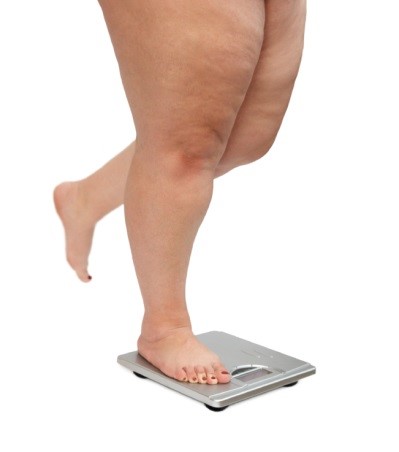 “Diabesity” is a term used to describe the link between being overweight and diabetes, especially in America. Obesity “refers[s] to body weight that’s greater than what is considered healthy for a certain height,” which can potentially lead to many different problems such as diabetes, and “it is estimated that 63 percent of Americans are overweight or obese.” Treating and preventing diabetes involves incorporating moderate exercise into your daily routine and cutting down on daily caloric intake.
Any additional problems in the feet of those with obesity can be detrimental to foot health. If you have any concerns, contact Dr. Joshua David Scoll of Pennsylvania. Our doctor will treat your foot and ankle needs.
Obesity and your Feet
Since your feet are what support your entire weight when standing, any additional weight can result in pain and swelling. Being overweight is one of the main contributors to foot complications.
Problems & Complications
Extra Weight – Even putting on just a few extra pounds could create serious complications for your feet. As your weight increases, your balance and body will shift, creating new stresses on your feet. This uneven weight distribution can cause pain, even while doing the simplest tasks, such as walking.
Diabetes – People who are overweight are at serious risk of developing type-2 diabetes, which has a drastic impact on the health of your feet. As you get older, your diabetes might worsen, which could lead to loss of feeling in your feet, sores, and bruises. You could also become more prone to various infections.
Solutions
Footwear – Specially made footwear that supports your joints, arches, and ankles, and allows room for good circulation is a great option to mitigate pressure and pain. A podiatrist will help you decide what works best for your specific needs.
Exercise – Exercise will help alleviate the pain and give your feet the strength it needs to support your body. Exercise also increases blood flow to your feet, allowing them to remain healthy and strong.
Most importantly, seek the help of a podiatrist for foot care if something is wrong or doesn’t seem to be working. A podiatrist will help you with any questions or information needed.
If you have any questions, please contact our offices located in Philadelphia and Bensalem, PA. We offer the newest diagnostic and treatment technologies for all your foot care needs.
What Are Plantar Warts?
 Plantar warts develop on the bottom of our feet as round growths on the skin, described as having brown dots. Warts are caused by the papillomavirus and usually go away on their own, typically not requiring any treatment. Avoid picking at the wart to prevent infection. A potential option for treating your wart is by covering it up with tape, as “warts deprived of air and sun exposure sometimes die without the need for topical treatments.”
Plantar warts can be very uncomfortable. If you need your feet checked, consult with Dr. Joshua David Scoll of Pennsylvania. Our doctor will assist you with all of your foot and ankle needs.
About Plantar Warts
Plantar warts are the result of HPV, or human papillomavirus, getting into open wounds on the feet. They are mostly found on the heels or balls of the feet.
While plantar warts are generally harmless, those experiencing excessive pain or those suffering from diabetes or a compromised immune system require immediate medical care. Plantar warts are easily diagnosed, usually through scraping off a bit of rough skin or by getting a biopsy.
Symptoms
- Legions on the bottom of your feet, usually rough and grainy
- Hard or thick callused spots
- Wart seeds, which are small clotted blood vessels that look like little black spots
- Pain, discomfort, or tenderness of your feet when walking or standing
Treatment
- Freezing
- Electric tool removal
- Laser Treatment
- Topical Creams (prescription only)
- Over-the-counter medications
To help prevent developing plantar warts, avoid walking barefoot over abrasive surfaces that can cause cuts or wounds for HPV to get into. Avoiding direct contact with other warts, as well as not picking or rubbing existing warts, will help prevent the further spread of plantar warts. However, if you think you have developed plantar warts, speak to your podiatrist. He or she can diagnose the warts on your feet and recommend the appropriate treatment options.
If you have any questions, please contact our offices located in Philadelphia and Bensalem, PA. We offer the newest diagnostic and treatment technologies for all your foot care needs.
Steroids as an Option to Treat Gout
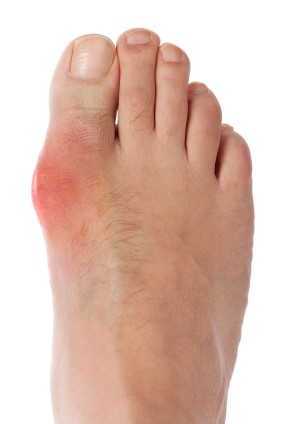 Steroids are considered one potential option for treating gout, a condition which causes inflammation and pain in our bodies’s joints. Gout occurs when uric acid is deposited into our joints, forming crystal deposits which interrupt tissue function and circulation. Steroids are considered for treating gout that is acute.
Gout is a foot condition that requires certain treatment and care. If you are seeking treatment, consult with Dr. Joshua David Scoll of Pennsylvania. Our doctor will assist you with all of your foot and ankle needs.
What is Gout?
Gout is a type of arthritis caused by a buildup of uric acid in the bloodstream. It often develops in the foot, especially the big toe area, although it can manifest in other parts of the body as well. Gout can make walking and standing very painful and is especially common in diabetics and the obese.
People typically get gout because of a poor diet. Genetic predisposition is also a factor. The children of parents who have had gout frequently have a chance of developing it themselves.
Gout can easily be identified by redness and inflammation of the big toe and the surrounding areas of the foot. Other symptoms include extreme fatigue, joint pain, and running high fevers. Sometimes corticosteroid drugs can be prescribed to treat gout, but the best way to combat this disease is to get more exercise and eat a better diet.
If you have any questions, please contact our offices located in Philadelphia and Bensalem, PA. We offer the newest diagnostic and treatment technologies for all your foot care needs.
Proper Technique can help reduce Risk of Running Injuries
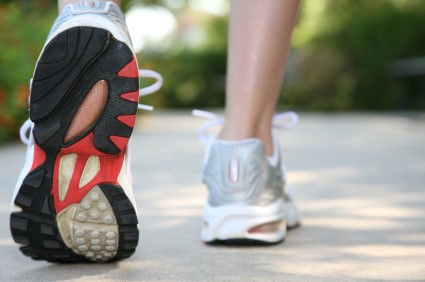 As there are about “54 million runners or joggers in the United States,” health and fitness experts recommend “at least 150 minutes of activity a week for people to maintain a healthy lifestyle.” However, for those who run and exercise often, this also means that they are at risk of running injuries. Recently physical therapists and running experts have discovered that athletes can prevent running injuries by adhering to proper running technique, such as reducing impact loading. Video analysis is also used to assess the athlete’s form and gait, which can then help develop a proper training program.
Runners can still be prone to running injuries even with proper precautions. If you are suffering from a running injury, consult with Dr. Joshua David Scoll of Pennsylvania. Our doctor will assist you with all of your foot and ankle needs.
How to Prevent Running Injuries
Many common running injuries are caused by overuse and overtraining. When the back of the kneecap starts wearing out and starts causing pain in your knee, this is commonly referred to as runner’s knee. Runner’s knee is a decrease in strength in your quadriceps and can occur if you’re not wearing properly fitted or supporting shoes. To prevent runner’s knee, focusing on hip strengthening is a good idea, as well as strengthening your quads to keep the kneecaps aligned.
What Are Some Causes of Running Injuries?
- One cause of a common running injury is called iliotibial band syndrome.
- Plantar fasciitis is also another common injury.
- Stress fractures can occur from overtraining, lack of calcium, or even your running style.
Best Ways to Prevent Running Injuries
- Wear footwear that fits properly and suits your running needs.
- Running shoes are the only protective gear that runners have to safeguard them from injury.
- Make a training schedule. Adding strengthening exercises as well as regular stretching can help keep you strong and limber and can lessen the possibility of injuries.
- Stretching keeps muscles limber, this will help you gain better flexibility.
If you have any questions, please contact our offices located in Philadelphia and Bensalem, PA. We offer the newest diagnostic and treatment technologies for all your foot care needs.
Yoga May Help Treat Rheumatoid Arthritis
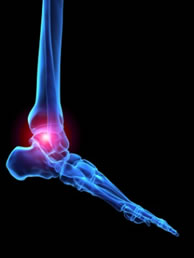 According to the Johns Hopkins Arthritis Center, research suggests that “yoga is an ideal exercise to promote joint health.” If rheumatoid arthritis patients are interested in starting the activity, gradually ease into yoga by observing if there is pain after a few days of doing some exercises. Patients should be careful when doing poses by avoiding overextension of the neck and by keeping their heads in line with the spine. See your doctor to best determine your condition and how to proceed.
Because RA affects more than just your joints, including the joints in your feet and ankles, it is important to seek early diagnosis from your podiatrist if you feel like the pain in your feet might be caused by RA. For more information, consult with Dr. Joshua David Scoll of Pennsylvania. Our doctor will assist you with all of your foot and ankle needs.
What Is Rheumatoid Arthritis?
Rheumatoid Arthritis (RA) is an autoimmune disorder in which the body’s own immune system attacks the membranes surrounding the joints. Inflammation of the lining and eventually the destruction of the joint’s cartilage and bone occur, causing severe pain and immobility.
Rheumatoid Arthritis of the Feet
Although RA usually attacks multiple bones and joints throughout the entire body, almost 90 percent of cases result in pain in the foot or ankle area.
Symptoms
- Swelling & pain in the feet
- Stiffness in the feet
- Pain on the ball or sole of feet
- Joint shift and deformation
Diagnosis
Quick diagnosis of RA in the feet is important so that the podiatrist can treat the area effectively. Your doctor will ask you about your medical history, occupation, and lifestyle to determine the origin of the condition. Rheumatoid Factor tests help to determine if someone is affected by the disease.
If you have any questions, please contact our offices located in Philadelphia and Bensalem, PA. We offer the newest diagnostic and treatment technologies for all your foot care needs.
More...
Darlington Nagbe Suffers Ankle Sprain after Tackle
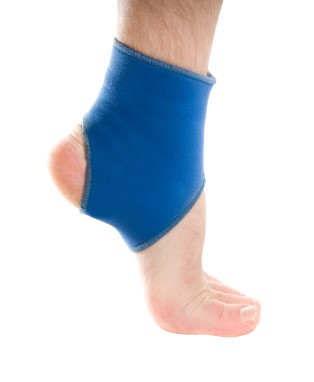 Darlington Nagbe suffered an ankle sprain injury after being tackled by Nigel de Jong, missing the Timbers game against FC Dallas. The injury didn’t seem severe and there were no reported broken bones. Recovery time for Nagbe was unknown at the time, but he had to be escorted off the field in a stretcher. de Jong had fallen directly onto Nagbe’s ankle and was given a yellow card for the tackle.
Ankle sprains are common, but need immediate attention. If you have any concerns about your feet, consult with Dr. Joshua David Scoll of Pennsylvania. Our doctor will assist you with all of your foot and ankle needs.
How Does an Ankle Sprain Occur?
Ankle sprains take place when the ligaments in your ankle are torn or stretched beyond their limits. There are multiple ways that the ankle can become injured, including twisting or rolling over onto your ankle, putting undue stress on it, or causing trauma to the ankle itself.
What are the Symptoms?
- Mild to moderate bruising
- Limited mobility
- Swelling
- Discoloration of the skin (depending on severity)
Preventing a Sprain
- Wearing appropriate shoes for the occasion
- Stretching before exercises and sports
- Knowing your limits can aid in prevention
Treatment of a Sprain
Treatment of a sprain depends on the severity. Many times, people are told to rest and remain off their feet completely, while others are given an air cast. If the sprain is very severe, surgery may be required.
If you have suffered an ankle sprain previously, you may want to consider additional support such as a brace and regular exercises to strengthen the ankle.
If you have any questions, please contact our offices located in Philadelphia and Bensalem, PA. We offer the newest diagnostic and treatment technologies for all your foot care needs.
Orthotic Products Are Becoming More Popular
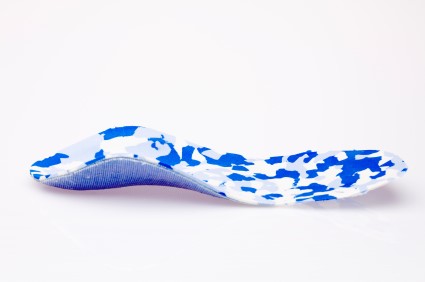 Prescription orthotics, otherwise known as custom orthotics, are specifically designed to accommodate your own personal foot structure. They are designed to complement the movement of your feet. Shoe inserts, on the contrary, serve the function of providing additional support and cushioning for your feet, but are not customized for your feet. Custom orthotics are ideal for treating conditions such as plantar fasciitis, tendonitis, diabetic foot ulcers, flat foot, and more.
If you are having discomfort in your feet and would like to try orthotics, consult with Dr. Joshua David Scoll of Pennsylvania. Our doctor will assist you with all of your foot and ankle needs.
What are Orthotics?
Orthotics are inserts you can place into your shoes to help with a variety of foot problems such as flat feet or foot pain. Orthotics provide relief and comfort for minor foot and heel pain, but can’t correct serious biomechanical problems in your feet.
Over-the-Counter Inserts
Orthotics come in a wide variety of over-the-counter inserts that are used to treat foot pain, heel pain, and minor problems. For example, arch supports can be inserted into your shoes to help correct over arched or flat feet, while gel insoles are often used because they provide comfort and relief from foot and heel pain by alleviating pressure.
Prescription Orthotics
If over-the-counter inserts don’t work for you, or if you have a more severe foot issue, it is possible to have your podiatrist prescribe custom orthotics. These high quality inserts are designed to treat problems such as abnormal motion, plantar fasciitis, and more severe heel pain. They can even be used to help patients suffering from diabetes by treating foot ulcers and painful calluses, and are usually molded to your feet individually, which allows them to provide full support and comfort.
If you are experiencing minor to severe foot or heel pain, it’s recommended to speak with your podiatrist on the possibilities of using orthotics. A podiatrist can determine which type of orthotic is right for you and allow you to take the first steps towards being pain free.
If you have any questions, please contact our offices located in Philadelphia and Bensalem, PA. We offer the newest diagnostic and treatment technologies for all your foot care needs.
Recent Audit Suggests that Diabetic Patients Should See their Podiatrists Regularly
 Diabetic foot ulcers are considered one of the most potentially life-threatening problems to occur for diabetic patients if left untreated. According to the National Diabetes Foot Care Audit (NDFA), “around 10 percent of people with diabetes will have a diabetic foot ulcer at some point in their lives,” especially if their feet are not properly taken care of. It’s important to see a foot specialist or doctor regularly to ensure prevention and treatment of your diabetic feet.
Diabetic foot care is important in preventing foot ailments such as ulcers. If you are suffering from diabetes or have any other concerns about your feet consult with Dr. Joshua David Scoll of Pennsylvania. Our doctor will assist you with all of your foot and ankle needs.
Diabetic Foot Care
Diabetes affects millions of people every year. Diabetes can damage blood vessels in many parts of the body, including the feet. Because of this, taking care of your feet is essential if you have diabetes, and having a podiatrist help monitor your foot health is highly recommended.
The Importance of Caring for Your Feet
- Routinely inspect your feet for bruises or sores.
- Wear socks that fit your feet comfortably.
- Wear comfortable shoes that provide adequate support.
Patients with diabetes should have their doctor monitor their blood levels because blood sugar levels play such a huge role in diabetic care. Monitoring these levels on a regular basis is highly advised.
It is always best to inform your healthcare professional of any concerns you may have regarding your feet, especially for diabetic patients. Early treatment and routine foot examinations are keys to maintaining proper health, especially because severe complications can arise if proper treatment is not applied.
If you have any questions, please contact our offices located in Philadelphia and Bensalem, PA. We offer the newest diagnostic and treatment technologies for all your foot care needs.
Treating Your Cracked Heels
 Cracked heels are a common foot condition that many people experience. Aside from dry, rough skin, cracked heels can also bring about signs of redness, itching, or inflammation. To combat cracked heels, consider some of the following tips: using mild soaps that are not overly drying, wearing proper-fitting shoes that cover and protect the heels, soaking the feet in warm water to soften the heel and prevent the heels from thickening, exfoliating the heels with a scrub to remove excessive dry and dead skin, and moisturizing the feet with a thick lotion or cream that will penetrate the skin.
Cracked heels are unsightly and can cause further damage to your shoes and feet. If you have any concerns, consult with Dr. Joshua David Scoll of Pennsylvania. Our doctor will assist you with all of your foot and ankle needs.
Cracked Heels
Cracked heels are unappealing, and make it harder for you walk around in sandals. Not only may they look bad, but they can also tear stockings, socks, and wear out your shoes. There are several methods to help restore a cracked heel and prevent further damage.
How do you get them?
Dry skin is the number one culprit in creating cracked heels. Many athletes, walkers, joggers, and even swimmers suffer from cracked heels. Age and skin oil production play a role to getting cracked heels as well.
Promote Healing
Over the counter medicines can help, especially for those that need instant relief, or who suffer from chronic dry feet.
Wear Socks – wearing socks with medicated creams, helps lock in moisture so it can stay on longer.
Moisturizers – applying it both day and night will help alleviate dryness which causes cracking.
Pumice Stones – these remove dead skin, and then you can massage cream onto your foot. This way the cream will be absorbed. The skin needs to be exfoliated; therefore the outer layer dead skin needs removal.
Change in Diet
Eating healthy, with a well-balanced diet, will give the skin a fresh and radiant look. Your body responds to what kinds of food you ingest. Omega-3 fatty acids and zinc supplements will also help with skin tissue.
Most importantly seek a health professional for foot care if something is wrong or doesn’t seem to be working. A podiatrist will help you with any questions or information needed.
If you have any questions, please contact our offices located in Philadelphia and Bensalem, PA. We offer the newest diagnostic and treatment technologies for all your foot care needs.
Wearing High Heels Ages Your Body 20 Years
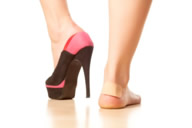 According to a recent study from Stanford University, wearing high heels may age your feet 20 years. The study measured how women performed in footwear with varying heights. Results, published in the Journal of Orthopaedic Research, indicate that walking in high heels bends your knees at an awkward position. The position puts strain on your knees and joints, mimicking a posture similar to how older women or women with arthritis walk.
High heels have a history for causing foot and ankle problems. If you have any concerns about your feet consult with Dr. Joshua David Scoll of Pennsylvania. Our doctor will assist you with all of your foot and ankle needs.
Effects of High Heels on the Feet
High heels are popular shoes among women because their style and societal appeal. Despite this, they can still cause many health problems if worn too frequently.
What parts my body will be affected by high heels?
- Ankle Joints
- Achilles Tendon – may shorten and stiffen with prolonged wear
- Balls of the Feet
- Knees – heels cause the knees to bend constantly, creating stress on them
- Back – they decrease the spine’s ability to absorb shock, which may lead to back pain. Also, the vertebrae of the lower back may compress.
What kinds of foot problems can develop from wearing high heels?
- Corns
- Calluses
- Hammertoe
- Bunions
- Morton’s Neuroma
- Plantar Fasciitis
How can I still wear high heels and maintain foot health?
If you want to wear high heeled shoes, make sure that you are not wearing them every day, as this will help prevent long term physical problems. Try wearing thicker heels as opposed to stilettos to distribute weight more evenly across the feet. Always make sure you are wearing the proper shoes for the right occasion, such as sneakers for exercising. If you walk to work, try carrying your heels with you and changing into them once you arrive at work. Adding inserts to your heels can help cushion your feet and absorb shock. Full foot inserts or metatarsal pads are available.
If you have any questions, please contact our offices located in Philadelphia and Bensalem, PA. We offer the newest diagnostic and treatment technologies for all your foot care needs.
