Items filtered by date: March 2015
Stephen Strasburg Misses Start of the Season with Sprained Ankle
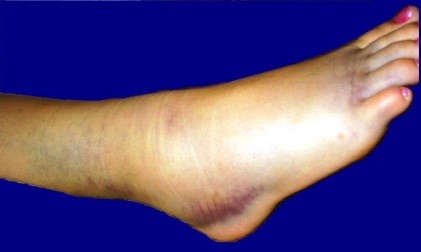 Stephen Strasburg, pitcher for the Washington Nationals, will miss the start of the season due to a sprained ankle. The injury occurred a few days before their game against the Tigers, but the pitcher still played against the Marlins where they won 4-2. Matt Williams, Nationals manager states, “We don’t want to have any issues with the arm trying to over compensate so we’ll push him a couple of days and he’ll be good. But it’s not serious.” Apparently Strasburg rolled his ankle during some conditioning which resulted in the injury.
Ankle sprains are very painful and need to be treated as soon as possible. If you are suffering from a sprained ankle contact Dr. Joshua David Scoll of Pennsylvania. Our doctor will treat your foot and ankle needs.
How Does an Ankle Sprain Occur?
Ankle sprains take place when the ligaments in your ankle are torn or stretched beyond their limits. There are multiple ways that the ankle can become injured, including twisting or rolling over onto your ankle, putting undue stress on it, or causing trauma to the ankle itself.
What are the Symptoms?
- Mild to moderate bruising
- Limited mobility
- Swelling
- Discoloration of the skin (depending on severity)
Preventing a Sprain
- Wearing appropriate shoes for the occasion
- Stretching before exercises and sports
- Knowing your limits can aid in prevention
Treatment of a Sprain
Treatment of a sprain depends on the severity. Many times, people are told to rest and remain off their feet completely, while others are given an air cast. If the sprain is very severe, surgery may be required.
If you have suffered an ankle sprain previously, you may want to consider additional support such as a brace and regular exercises to strengthen the ankle.
If you have any questions, please feel free to contact our offices located in Bensalem and Philadelphia, PA. We offer the newest diagnostic and treatment technologies for all your foot and ankle needs.
Read More about ankle sprains.
3D-printed High Heel features Shock Absorbent Heel
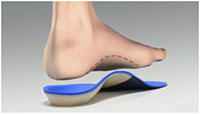 Designer and professional origami artist Kade Chan has combined traditional shoemaking methods with the 3Doodler pen to create a customized high heel shoe with a shock absorbent heel. The 3Doodler, created from a Kickstarter campaign, is a pen that can draw in 3D. Research firm Canalys is expecting the 3D printing market to grow to $16.2 billion by 2018. 3D printing proves to be the ultimate DIY market with the rapid advancements in the technology, the cost of 3D printers falling and the consumer’s desire to download and print anything they want.
High heels are very fashionable and a necessity to some, but if worn in excess can cause pain to the feet and ankles. To learn more, contact Dr. Joshua David Scoll of Pennsylvania. Our doctor will answer all of your foot- and ankle-related questions.
Effects of High Heels on the Feet
High heels are popular shoes among women because they are associated with femininity. Despite their appeal, they can cause many health problems if worn too frequently.
What parts my body will be affected by high heels?
- Ankle Joints
- Achilles Tendon – may shorten and stiffen with prolonged wear
- Balls of the Feet
- Knees – heels cause the knees to bend constantly, creating stress on them
- Back – they decrease the spine’s ability to absorb shock, which may lead to back pain. Also, the vertebrae of the lower back may compress.
What kinds of foot problems can develop from wearing high heels?
- Corns
- Calluses
- Hammertoe
- Bunions
- Morton’s Neuroma
- Plantar Fasciitis
How can I still wear high heels and maintain foot health?
If you want to wear high heeled shoes, make sure that you are not wearing them every day, as this will help prevent long term physical problems. Try wearing thicker heels as opposed to stilettos to distribute weight more evenly across the feet. Always make sure you are wearing the proper shoes for the right occasion, such as sneakers for exercising. If you walk to work, try carrying your heels with you and changing into them once you arrive at work.
If you have any questions, please contact our offices located in Philadelphia and Bensalem, PA. We offer the newest diagnostic and treatment technologies for all your foot care needs.
Read more about the Effects of High Heels
Tips to Relieve Swollen Feet and Ankles during Pregnancy
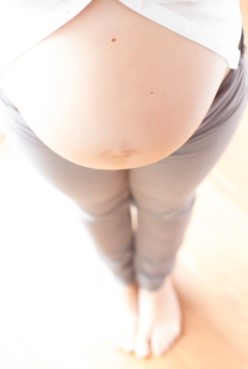 During pregnancy many women experience swelling of the feet, ankles, and other parts of the body; this swelling is known as edema or the buildup of the fluid inside of the tissues. Bold Sky has come up with a few ways to reduce swelling to make pregnancy a little bit easier. The consumption of salt is known to cause fluid retention in the body so drinking a lot of water and cutting down on salt intake will aid in the reduction of edema. When possible, rest your legs on an area that will make them higher than your waist when lying down. This will help stimulate the blood flow in the legs in feet. Try avoiding heat or adding a cold compress to the mix for added comfort and swelling reduction.
Pregnant women with swollen feet can be treated with a variety of different methods that are readily available. For more information about other cures for swollen feet during pregnancy, speak to Dr. Joshua David Scoll. Our doctor will assist you with all of your foot and ankle concerns and answer any of your related questions.
What foot problems can arise during pregnancy?
One problem that can occur is over-pronation, which occurs when the arch of the foot flattens and tends to roll inward. This can cause pain and discomfort in your heels while you’re walking or even just standing up, trying to support your baby.
Another problem is edema, or swelling in the extremities. This often affects the feet during pregnancy, but tends to occur in the later stages.
How can I keep my feet healthy during pregnancy?
- Wearing orthotics can provide extra support for the feet and help distribute weight evenly
- Minimize the amount of time spent walking barefoot
- Wear shoes with good arch support
- Wear shoes that allow for good circulation to the feet
- Elevate feet if you experience swelling
- Massage your feet
- Get regular, light exercise, such as walking, to promote blood circulation to the feet
If you have any questions, please feel free to contact our offices located in Philadelphia and Bensalem, PA. We offer the latest in diagnostic and treatment technologies to meet all your needs.
Proper Foot Care for the Elderly
The need to maintain good health becomes more important especially for older adults, who will often have various check-ups throughout the year. Proper foot care, however, is often neglected. Mobility issues in older adults will typically point back to foot injury, neglect, and disease; the need to monitor foot health in the elderly is therefore of great importance.
Habitually cleaning and examining the feet for any changes or irregularities is the first step the elderly can take to maintain good foot health. Using mild soaps followed with lotion keeps the skin from drying out, cracking, and itching. Ensuring that the feet are kept dry will help decrease the risk of contracting a fungal infection. Keeping the feet warm will ensure good circulation, and keeping toenails correctly trimmed can help prevent problems such as ingrown toenails and toe pain.
Proper foot care is something many older adults forget to consider. For more information, consult with Dr. Joshua David Scoll of Pennsylvania. Our doctor will assist you with all of your podiatric concerns.
The Elderly and their Feet
As we age we start to notice many changes in our body, but the elder population may not notice them right away. Medical conditions may prevent the elderly to take notice of their foot health right away. Poor vision is a lead contributor to not taking action for the elderly.
Common Conditions
Neuropathy – can reduce feeling in the feet, and can hide many life threating medical conditions.
Reduced flexibility – prevents the ability of proper toenail trimming, and foot cleaning. If left untreated, it may lead to further medical issues.
Foot sores – amongst the older population can be serious before they are discovered. Some of the problematic conditions they may face are:
Gouging toenails affecting nearby toe
Shoes that don’t fit properly
Pressure sores
Loss of circulation in legs & feet
Edema & swelling of feet and ankles
Susceptible Infections
Diabetes and poor circulation can cause general loss of sensitivity over the years, turning a simple cut into a serious issue.
For more information about Elderly and Feet, follow the link below.
If you have any questions please feel free to contact our offices, located in Philadelphia and Bensalem, NJ. We offer the latest in diagnostic and treatment technology to meet your needs.
Read more about Elderly and Feet
