Causes of Cracked Heels
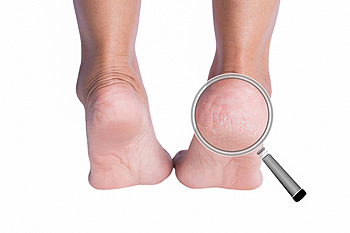 Dry, cracked heels are a fairly common issue and can have a variety of different causes. Standing or walking barefoot for extended periods of time, or wearing shoes that don’t fit your heels properly, can put pressure on your heels and cause them to crack. Exposure to cold temperatures or low humidity conditions can dry out the skin. Your current foot care routine may also be to blame. Taking long, hot showers, scrubbing the feet too much, using harsh soaps that rid the skin of natural oils, and not moisturizing can all cause the skin to dry out and crack. If you have cracked heels, and especially if you have deep, painful cracks known as fissures, please see a podiatrist for treatment.
Cracked heels are unsightly and can cause further damage to your shoes and feet. If you have any concerns, contact Dr. Joshua David Scoll from Pennsylvania. Our doctor can provide the care you need to keep you pain-free and on your feet.
Cracked Heels
Cracked heels appear unappealing and can make it harder for you walk around in sandals. Aside from looking unpleasant, cracked heels can also tear stockings, socks, and wear out your shoes. There are several methods to help restore a cracked heel and prevent further damage.
How Do You Get Them?
Dry skin is the number one culprit in creating cracked heels. Many athletes, walkers, joggers, and even swimmers suffer from cracked heels. Age and skin oil production play a role to getting cracked heels as well.
Promote Healing
Over the counter medicines can help, especially for those that need instant relief or who suffer from chronic dry feet.
Wear Socks – Wearing socks with medicated creams helps lock in moisture.
Moisturizers – Applying both day and night will help alleviate dryness which causes cracking.
Pumice Stones – These exfoliate and remove dead skin, which allows for smoother moisturizer application and better absorption into the skin.
Change in Diet
Eating healthy with a well-balanced diet will give the skin a fresh and radiant look. Your body responds to the kinds of food you ingest. Omega-3 fatty acids and zinc supplements can also revitalize skin tissue.
Most importantly, seek professional help if unsure how to proceed in treating cracked heels. A podiatrist will help you with any questions or information needed.
If you have any questions, please feel free to contact one of our offices located in Philadelphia, Bensalem, and Fairless Hills, PA . We offer the newest diagnostic and treatment technologies for all your foot care needs.
Could My Stubbed Toe Be Broken?
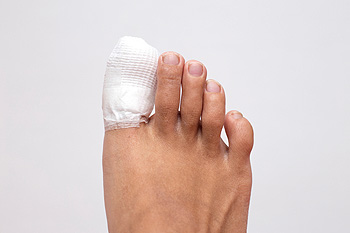 We’ve all stubbed our toe, perhaps on a piece of furniture or a doorframe. Typically, the pain is severe at first but subsides after a few minutes. Sometimes, however, the injury is more serious. If a toe is broken, the pain will often become more severe over time. Symptoms of a broken toe can include swelling around the toe and foot, bruising or discoloration, a change in the shape of the toe, difficulty moving the toe, pain when walking or putting weight on the injured toe, a loss of sensation in the toe or foot, or a visible bone poking into the skin. If you suspect that you may have broken your toe, it is recommended that you see a podiatrist as soon as possible.
A broken toe can be very painful and lead to complications if not properly fixed. If you have any concerns about your feet, contact Dr. Joshua David Scoll from Pennsylvania. Our doctor will treat your foot and ankle needs.
What to Know About a Broken Toe
Although most people try to avoid foot trauma such as banging, stubbing, or dropping heavy objects on their feet, the unfortunate fact is that it is a common occurrence. Given the fact that toes are positioned in front of the feet, they typically sustain the brunt of such trauma. When trauma occurs to a toe, the result can be a painful break (fracture).
Symptoms of a Broken Toe
- Throbbing pain
- Swelling
- Bruising on the skin and toenail
- The inability to move the toe
- Toe appears crooked or disfigured
- Tingling or numbness in the toe
Generally, it is best to stay off of the injured toe with the affected foot elevated.
Severe toe fractures may be treated with a splint, cast, and in some cases, minor surgery. Due to its position and the pressure it endures with daily activity, future complications can occur if the big toe is not properly treated.
If you have any questions please feel free to contact one of our offices located in Philadelphia, Bensalem, and Fairless Hills, PA . We offer the newest diagnostic and treatment technologies for all your foot and ankle needs.
Why Are There Cracks Between My Toes?
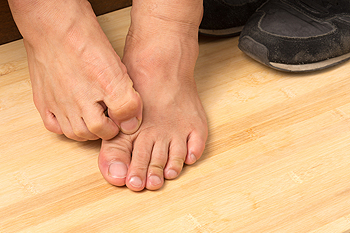 Dry, cracked skin between your toes can be caused by athlete’s foot, a fungal infection of the skin, also known as tinea pedis. Athlete’s foot is an extremely common condition, affecting millions of people each year. When you have athlete’s foot, the skin between your toes may become itchy, flaky, thickened, white, or swollen. This condition can also cause skin redness and pain in your feet. The most common treatment for athlete’s foot is a topical antifungal medication that kills or prevents the growth of the fungus. If you suspect that you have athlete’s foot, it is recommended that you see a podiatrist for a diagnosis and treatment.
Athlete’s foot is an inconvenient condition that can be easily reduced with the proper treatment. If you have any concerns about your feet and ankles, contact Dr. Joshua David Scoll from Pennsylvania. Our doctor will treat your foot and ankle needs.
Athlete’s Foot: The Sole Story
Athlete's foot, also known as tinea pedis, can be an extremely contagious foot infection. It is commonly contracted in public changing areas and bathrooms, dormitory style living quarters, around locker rooms and public swimming pools, or anywhere your feet often come into contact with other people.
Solutions to Combat Athlete’s Foot
- Hydrate your feet by using lotion
- Exfoliate
- Buff off nails
- Use of anti-fungal products
- Examine your feet and visit your doctor if any suspicious blisters or cuts develop
Athlete’s foot can cause many irritating symptoms such as dry and flaking skin, itching, and redness. Some more severe symptoms can include bleeding and cracked skin, intense itching and burning, and even pain when walking. In the worst cases, Athlete’s foot can cause blistering as well. Speak to your podiatrist for a better understanding of the different causes of Athlete’s foot, as well as help in determining which treatment options are best for you.
If you have any questions please feel free to contact one of our offices located in Philadelphia, Bensalem, and Fairless Hills, PA . We offer the newest diagnostic and treatment technologies for all your foot and ankle needs.
Who Needs an Ankle Brachial Index Test?
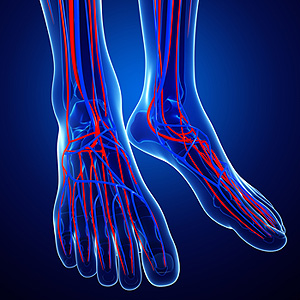 Peripheral artery disease, also known as PAD, is a condition that results in poor circulation to the lower limbs. Typical symptoms of PAD include leg pain or muscle cramps when walking, numbness, weakness, or coldness in your legs. An ankle brachial index is a quick, noninvasive, and painless test used to screen for PAD. The measurements can highlight any potential problems, like blockages or partial blockages in blood flow to your extremities.To do this test, a doctor simply takes your blood pressure at your arms and at your ankles and compares the numbers to come up with a numerical ratio that represents your risk of having or developing PAD. While anyone can get the ankle brachial index test, people who have pre-existing risk factors for developing PAD are especially encouraged to undergo this screening. Risk factors include a history of smoking, high blood pressure, high cholesterol, diabetes, and atherosclerosis. For more information about the ankle brachial index and other tests for PAD, speak with a podiatrist today.
Vascular testing plays an important part in diagnosing disease like peripheral artery disease. If you have symptoms of peripheral artery disease, or diabetes, consult with Dr. Joshua David Scoll from Pennsylvania. Our doctor will assess your condition and provide you with quality foot and ankle treatment.
What Is Vascular Testing?
Vascular testing checks for how well blood circulation is in the veins and arteries. This is most often done to determine and treat a patient for peripheral artery disease (PAD), stroke, and aneurysms. Podiatrists utilize vascular testing when a patient has symptoms of PAD or if they believe they might. If a patient has diabetes, a podiatrist may determine a vascular test to be prudent to check for poor blood circulation.
How Is it Conducted?
Most forms of vascular testing are non-invasive. Podiatrists will first conduct a visual inspection for any wounds, discoloration, and any abnormal signs prior to a vascular test.
The most common tests include:
- Ankle-Brachial Index (ABI) examination
- Doppler examination
- Pedal pulses
These tests are safe, painless, and easy to do. Once finished, the podiatrist can then provide a diagnosis and the best course for treatment.
If you have any questions, please feel free to contact one of our offices located in Philadelphia, Bensalem, and Fairless Hills, PA . We offer the newest diagnostic and treatment technologies for all your foot care needs.
Do Your Child's Feet Hurt?

Have your child's feet been examined lately? Healthy feet are happy feet. If your child is complaining of foot pain, it may be a sign of underlying problems.
Ankle Sprains Among Athletes
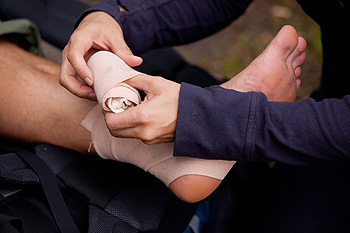 Ankle sprains are a common injury faced by athletes. The usual symptoms of an ankle sprain include pain, tenderness, swelling, bruising, and a restricted range of motion in the affected ankle. Ankle sprains are classified into three different categories by their level of severity. A Grade 1 sprain is considered mild and is characterized by ligaments stretched, but there is no tear. A Grade 2 sprain is characterized by a partial tear in the ligament and is known as the most common degree of an ankle sprain. A Grade 3 sprain is the most severe type, and is characterized by a complete tear in the ligament. If you suspect you have sprained your ankle, it is strongly recommended that you visit a podiatrist as soon as possible to begin treatment.
Sports related foot and ankle injuries require proper treatment before players can go back to their regular routines. For more information, contact Dr. Joshua David Scoll of Pennsylvania. Our doctor can provide the care you need to keep you pain-free and on your feet.
Sports Related Foot and Ankle Injuries
Foot and ankle injuries are a common occurrence when it comes to athletes of any sport. While many athletes dismiss the initial aches and pains, the truth is that ignoring potential foot and ankle injuries can lead to serious problems. As athletes continue to place pressure and strain the area further, a mild injury can turn into something as serious as a rupture and may lead to a permanent disability. There are many factors that contribute to sports related foot and ankle injuries, which include failure to warm up properly, not providing support or wearing bad footwear. Common injuries and conditions athletes face, including:
- Plantar Fasciitis
- Plantar Fasciosis
- Achilles Tendinitis
- Achilles Tendon Rupture
- Ankle Sprains
Sports related injuries are commonly treated using the RICE method. This includes rest, applying ice to the injured area, compression and elevating the ankle. More serious sprains and injuries may require surgery, which could include arthroscopic and reconstructive surgery. Rehabilitation and therapy may also be required in order to get any recovering athlete to become fully functional again. Any unusual aches and pains an athlete sustains must be evaluated by a licensed, reputable medical professional.
If you have any questions please feel free to contact one of our offices located in Philadelphia, Bensalem, and Fairless Hills, PA . We offer the newest diagnostic and treatment technologies for all your foot and ankle needs.
What to Eat to Help Manage Gout
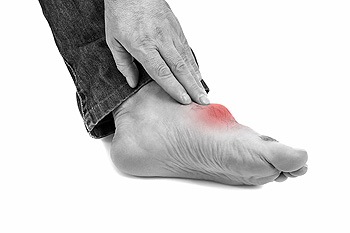 Gout is a type of arthritis that causes sudden pain, swelling and inflammation of the joints, typically in the big toes. Gout attacks are caused by a buildup of uric acid in the bloodstream. Fortunately, you may be able to minimize the occurrence of gout attacks by altering your diet. To lower the levels of uric acid in your blood, it is recommended that you avoid consuming organ meats, game meats, fish and other seafoods, foods that contain added sugars or yeasts, and sweet beverages such as fruit juices and soda. Foods that are safer for people who suffer from gout include fruits, vegetables, legumes, nuts and seeds, whole grains, low-fat dairy, eggs, coffee, tea, herbs, spices, and plant-based oils. For more information about gout, and for treatment and prevention options, consult with a podiatrist today.
Gout is a foot condition that requires certain treatment and care. If you are seeking treatment, contact Dr. Joshua David Scoll from Pennsylvania. Our doctor will treat your foot and ankle needs.
What Is Gout?
Gout is a type of arthritis caused by a buildup of uric acid in the bloodstream. It often develops in the foot, especially the big toe area, although it can manifest in other parts of the body as well. Gout can make walking and standing very painful and is especially common in diabetics and the obese.
People typically get gout because of a poor diet. Genetic predisposition is also a factor. The children of parents who have had gout frequently have a chance of developing it themselves.
Gout can easily be identified by redness and inflammation of the big toe and the surrounding areas of the foot. Other symptoms include extreme fatigue, joint pain, and running high fevers. Sometimes corticosteroid drugs can be prescribed to treat gout, but the best way to combat this disease is to get more exercise and eat a better diet.
If you have any questions please feel free to contact one of our offices located in Philadelphia, Bensalem, and Fairless Hills, PA . We offer the newest diagnostic and treatment technologies for all your foot and ankle needs.
Preventing Falls at Home
 Did you know that 60% of falls happen in the home? Preventing these falls is always important, but should become even more of a priority as we age. The older we get the more dangerous falls become. Potential complications from falls can include sprains, broken bones, and in severe cases even traumatic brain injuries. Fortunately, there are things you can do to decrease your risk of falling. If you live in a home with steps or stairs, make sure that the stairs have tightly fastened handrails that you can grip as you walk up and down. Throughout your home, ensure that carpets and rugs are firmly fixed to the floor. In bathrooms, place non-skid mats on surfaces that may get wet. Make sure that your home is well-lit and that tripping hazards, such as electrical cords and small furniture, are kept away from walking areas. Beyond home safety issues, another common cause of falls is compromised foot health. Pain in the feet and ankles, poor circulation, gait abnormalities, and improper footwear could all increase your risk of falling. For more advice and to help reduce your risk, speak with a podiatrist today.
Preventing falls among the elderly is very important. If you are older and have fallen or fear that you are prone to falling, consult with Dr. Joshua David Scoll from Pennsylvania. Our doctor will assess your condition and provide you with quality advice and care.
Every 11 seconds, an elderly American is being treated in an emergency room for a fall related injury. Falls are the leading cause of head and hip injuries for those 65 and older. Due to decreases in strength, balance, senses, and lack of awareness, elderly persons are very susceptible to falling. Thankfully, there are a number of things older persons can do to prevent falls.
How to Prevent Falls
Some effective methods that older persons can do to prevent falls include:
- Enrolling in strength and balance exercise program to increase balance and strength
- Periodically having your sight and hearing checked
- Discuss any medications you have with a doctor to see if it increases the risk of falling
- Clearing the house of falling hazards and installing devices like grab bars and railings
- Utilizing a walker or cane
- Wearing shoes that provide good support and cushioning
- Talking to family members about falling and increasing awareness
Falling can be a traumatic and embarrassing experience for elderly persons; this can make them less willing to leave the house, and less willing to talk to someone about their fears of falling. Doing such things, however, will increase the likelihood of tripping or losing one’s balance. Knowing the causes of falling and how to prevent them is the best way to mitigate the risk of serious injury.
If you have any questions, please feel free to contact one of our offices located in Philadelphia, Bensalem, and Fairless Hills, PA . We offer the newest diagnostic and treatment technologies for all your foot care needs.
Blisters on the Feet Can Protect Damaged Skin
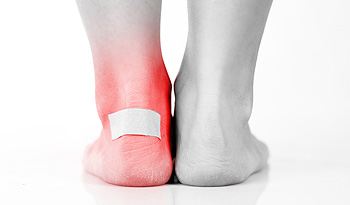 People who often get blisters on the feet are aware of the discomfort they may cause. Blisters are a small area that can resemble a bubble that forms over the damaged skin. This is filled with fluid that protects the raw skin, and will gradually drain when the healing process is completed. There are several reasons why blisters on the feet can develop, including wearing shoes that do not fit properly, excessive sweating that may come from wearing shoes that are made of non-breathable materials, or from not wearing socks. Research has indicated that it may be beneficial to moisturize the feet prior to wearing shoes. This may help prevent existing blisters from becoming worse. If you get frequent blisters on the feet, it is suggested that you consult with a podiatrist who can guide you toward effective prevention and treatment techniques.
Blisters may appear as a single bubble or in a cluster. They can cause a lot of pain and may be filled with pus, blood, or watery serum. If your feet are hurting, contact Dr. Joshua David Scoll of Pennsylvania. Our doctor can provide the care you need to keep you pain-free and on your feet.
Foot Blisters
Foot blisters are often the result of friction. This happens due to the constant rubbing from shoes, which can lead to pain.
What Are Foot Blisters?
A foot blister is a small fluid-filled pocket that forms on the upper-most layer of the skin. Blisters are filled with clear fluid and can lead to blood drainage or pus if the area becomes infected.
Symptoms
(Blister symptoms may vary depending on what is causing them)
- Bubble of skin filled with fluid
- Redness
- Moderate to severe pain
- Itching
Prevention & Treatment
In order to prevent blisters, you should be sure to wear comfortable shoes with socks that cushion your feet and absorb sweat. Breaking a blister open may increase your chances of developing an infection. However, if your blister breaks, you should wash the area with soap and water immediately and then apply a bandage to the affected area. If your blisters cause severe pain it is important that you call your podiatrist right away.
If you have any questions, please feel free to contact one of our offices located in Philadelphia, Bensalem, and Fairless Hills, PA . We offer the newest diagnostic and treatment technologies for all your foot care needs.
What Is Plantar Fasciitis?
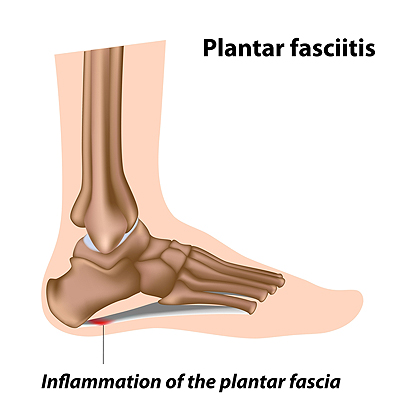 The plantar fascia is a thick band of fibrous tissue that connects the heel to the toes along the bottom of the foot. Since the plantar fascia works as a shock absorber and arch support, it can become painful when it is overloaded or overstressed. This pain is known as plantar fasciitis. Research has shown that pain is most commonly located on the inside of the heel and occurs during weight-bearing activities. A podiatrist will be able to examine the foot and heel for further issues, particularly a stress fracture. A podiatrist may also take X-rays or use an ultrasound machine to determine the extent of the injury. Some treatment options may include rest, a change in footwear, orthotics or physical therapy. If you believe that you may be afflicted with plantar fasciitis, it is important to check with a podiatrist for a proper diagnosis and treatment plan.
Plantar fasciitis is a common foot condition that is often caused by a strain injury. If you are experiencing heel pain or symptoms of plantar fasciitis, contact Dr. Joshua David Scoll from Pennsylvania. Our doctor can provide the care you need to keep you pain-free and on your feet.
What Is Plantar Fasciitis?
Plantar fasciitis is one of the most common causes of heel pain. The plantar fascia is a ligament that connects your heel to the front of your foot. When this ligament becomes inflamed, plantar fasciitis is the result. If you have plantar fasciitis you will have a stabbing pain that usually occurs with your first steps in the morning. As the day progresses and you walk around more, this pain will start to disappear, but it will return after long periods of standing or sitting.
What Causes Plantar Fasciitis?
- Excessive running
- Having high arches in your feet
- Other foot issues such as flat feet
- Pregnancy (due to the sudden weight gain)
- Being on your feet very often
There are some risk factors that may make you more likely to develop plantar fasciitis compared to others. The condition most commonly affects adults between the ages of 40 and 60. It also tends to affect people who are obese because the extra pounds result in extra stress being placed on the plantar fascia.
Prevention
- Take good care of your feet – Wear shoes that have good arch support and heel cushioning.
- Maintain a healthy weight
- If you are a runner, alternate running with other sports that won’t cause heel pain
There are a variety of treatment options available for plantar fasciitis along with the pain that accompanies it. Additionally, physical therapy is a very important component in the treatment process. It is important that you meet with your podiatrist to determine which treatment option is best for you.
If you have any questions, please feel free to contact one of our offices located in Philadelphia, Bensalem, and Fairless Hills, PA . We offer the newest diagnostic and treatment technologies for all your foot care needs.
Wounds That Don't Heal Need to Be Checked

Your feet are covered most of the day. If you're diabetic, periodic screening is important for good health. Numbness is often a sign of diabetic foot and can mask a sore or wound.
How a Podiatrist Can Help with Diabetes
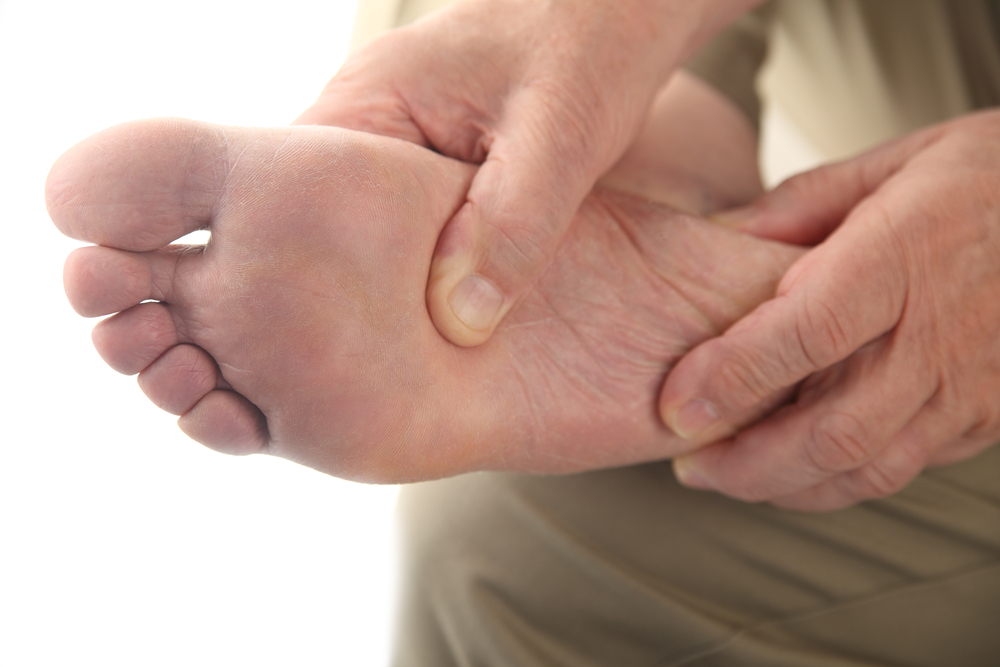 Podiatrists play an important role in helping people with diabetes maintain healthy feet. A podiatrist can perform vascular testing to determine if you have reduced blood flow to your feet and can diagnose peripheral neuropathy, a common cause of lower limb weakness, numbness, and pain. A common symptom of diabetes are ulcers on the feet. A podiatrist can provide care for ulcers and prevent new ones from developing. As people with diabetes face an increased risk of limb amputation, it is important to see a podiatrist for monitoring, routine care, and prevention. If you have diabetes and experience pain or other symptoms in your legs and feet, don’t hesitate to consult a podiatrist.
Limb salvage can be an effective way in preventing the need for limb amputation. If you have diabetes, cancer, or any other condition that could lead to foot amputation if left unchecked, consult with Dr. Joshua David Scoll from Pennsylvania. Our doctor will assess your condition and provide you with quality foot and ankle treatment.
What Is Limb Salvage?
Limb salvage is the attempt of saving a limb, such as the foot from amputation. Podiatrists also try to make sure that there is enough function in the foot after the salvage that it is still usable. Diabetes is the number one cause of non-traumatic amputations in the United States. Those with diabetes experience poor blood circulation, which prevents proper healing of an ulcer. If the ulcer is left uncheck, it could become infected, which could result in the need for amputation.
However, there are other causes as well, such as cancer and traumatic injury. Links between higher mortality rates and amputation have been found. This translates into higher healthcare costs, and a reduced quality of life and mobility for amputees. Podiatrists have attempted to increase the prevalence of limb salvage in an attempt to solve these issues.
Diagnosis and Treatment
Limb salvage teams have grown in recent years that utilize a number of different treatments to save the infected limb. This includes podiatrists that specialize in wound care, rehabilitation, orthotics, and surgery. Through a combination of these methods, limb salvage has been found to be an effective treatment for infected limbs, and as an alternative to amputation. Podiatrists will first evaluate the potential for limb salvage and determine if the limb can be saved or must be amputated.
If you have any questions, please feel free to contact one of our offices located in Philadelphia, Bensalem, and Fairless Hills, PA . We offer the newest diagnostic and treatment technologies for all your foot care needs.
How Can I Be Sure I’m Choosing the Right Shoe for My Child?
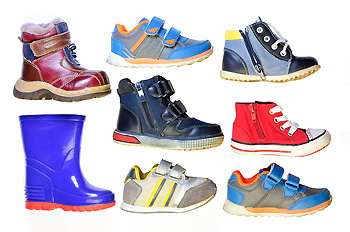
When it comes to shopping for shoes with your child, there are a number of ways you can help ensure a comfortable fit. As far as choosing the correct shoe size, it is best that you are measuring your child’s feet frequently. You also want to make sure the shoes you are buying are beneficial to your child in particular. For example, if your child’s feet need arch support, it would be best to focus on shoes with that particular feature. With all shoes, it is important to pick ones that are breathable, durable, and flexible. Since children’s feet tend to get sweaty, finding a breathable material can encourage circulation for your child’s feet. Since the feet do swell, it is best to shop for shoes at the end of the day, that way your child’s feet are at their largest, and you can avoid picking footwear that is to tight for them. For more help on how to best purchase footwear for your child, please consult with a podiatrist.
It is important to find shoes that fit you properly in order to avoid a variety of different foot problems. For more information about treatment, contact Dr. Joshua David Scoll from Pennsylvania. Our doctor will treat your foot and ankle needs.
Proper Shoe Fitting
Shoes have many different functions. They cushion our body weight, protect our feet, and allow us to safely play sports. You should always make sure that the shoes you wear fit you properly in order to avoid injuries and deformities such as: bunions, corns, calluses, hammertoes, plantar fasciitis, stress fractures, and more. It is important to note that although a certain pair of shoes might be a great fit for someone else, that doesn’t mean they will be a great fit for you. This is why you should always try on shoes before buying them to make sure they are worth the investment. Typically, shoes need to be replaced ever six months to one year of regular use.
Tips for Proper Shoe Fitting
- Select a shoe that is shaped like your foot
- Don’t buy shoes that fit too tight, expecting them to stretch to fit
- Make sure there is enough space (3/8” to ½”) for your longest toe at the end of each shoe when you are standing up
- Walk in the shoes to make sure they fit and feel right
- Don’t select shoes by the size marked inside the shoe, but by how the shoe fits your foot
The shoes you buy should always feel as good as they look. Shoes that fit properly will last longer, feel better, and improve your way of life each day.
If you have any questions, please feel free to contact one of our offices located in Philadelphia, Bensalem, and Fairless Hills, PA . We offer the newest diagnostic and treatment technologies for all your foot care needs.
Eating Properly While Pursuing Running
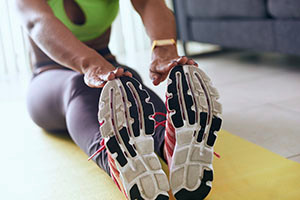 Many runners understand the importance of listening to the body, especially in the case of trying to prevent an injury as a result of overuse. Runners who are new to this sport can become injured from running excess miles in the beginning. Additionally, injuries can happen from running at accelerated speeds. It is helpful to drink plenty of water during the day, get an adequate amount of rest, and eat foods that are rich in nutrients. People who enjoy the sport of running often alternate going for a run with cardiovascular exercises, which can include cycling and swimming. If you would like more information about how to prevent running injuries, and how they can impact the feet, please consult with a podiatrist.
Exercising your feet regularly with the proper foot wear is a great way to prevent injuries. If you have any concerns about your feet, contact Dr. Joshua David Scoll of Pennsylvania. Our doctor will treat your foot and ankle needs.
How to Prevent Running Injuries
Many common running injuries are caused by overuse and overtraining. When the back of the kneecap starts wearing out and starts causing pain in your knee, this is commonly referred to as runner’s knee. Runner’s knee is a decrease in strength in your quadriceps and can occur if you’re not wearing properly fitted or supporting shoes. To prevent runner’s knee, focusing on hip strengthening is a good idea, as well as strengthening your quads to keep the kneecaps aligned.
What Are Some Causes of Running Injuries?
- One cause of a common running injury is called iliotibial band syndrome.
- Plantar fasciitis is also another common injury.
- Stress fractures can occur from overtraining, lack of calcium, or even your running style.
Best Ways to Prevent Running Injuries
- Wear footwear that fits properly and suits your running needs.
- Running shoes are the only protective gear that runners have to safeguard them from injury.
- Make a training schedule. Adding strengthening exercises as well as regular stretching can help keep you strong and limber and can lessen the possibility of injuries.
- Stretching keeps muscles limber; this will help you gain better flexibility.
If you have any questions please feel free to contact one of our offices located in Philadelphia, Bensalem, and Fairless Hills, PA . We offer the newest diagnostic and treatment technologies for all your foot and ankle needs.
Where Is the Tarsal Tunnel Located?
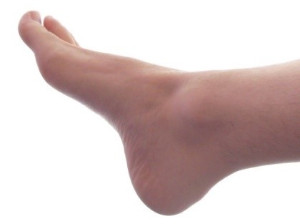
There is a part of the foot that is between the Achilles tendon and the inside of the ankle, which is referred to as the tarsal tunnel. Its function is to facilitate movement in the foot and ankle, in addition to helping to provide feeling to the sole of the foot. The medical condition that is known as tarsal tunnel syndrome occurs when the tarsal tunnel becomes compressed. This can happen as a result of repetitive stress, or possibly from an injury. Some of the symptoms patients may feel can include pain and discomfort in the heel and arch area, a numbing sensation, and the foot may feel weak. Mild relief may be found when the activity that caused the injury ceases temporarily, in addition to performing specific stretching techniques. If you have developed tarsal tunnel syndrome, it is suggested that you seek professional advice from a podiatrist who can help you to manage this condition.
Tarsal tunnel syndrome can be very uncomfortable to live with. If you are experiencing tarsal tunnel syndrome, contact Dr. Joshua David Scoll of Pennsylvania. Our doctor can provide the care you need to keep you pain-free and on your feet.
Tarsal Tunnel Syndrome
Tarsal tunnel syndrome, which can also be called tibial nerve dysfunction, is an uncommon condition of misfiring peripheral nerves in the foot. The tibial nerve is the peripheral nerve in the leg responsible for sensation and movement of the foot and calf muscles. In tarsal tunnel syndrome, the tibial nerve is damaged, causing problems with movement and feeling in the foot of the affected leg.
Common Cause of Tarsal Tunnel Syndrome
- Involves pressure or an injury, direct pressure on the tibial nerve for an extended period of time, sometimes caused by other body structures close by or near the knee.
- Diseases that damage nerves, including diabetes, may cause tarsal tunnel syndrome.
- At times, tarsal tunnel syndrome can appear without an obvious cause in some cases.
The Effects of Tarsal Tunnel Syndrome
- Different sensations, an afflicted person may experience pain, tingling, burning or other unusual sensations in the foot of the affected leg.
- The foot muscles, toes and ankle become weaker, and curling your toes or flexing your foot can become difficult.
- If condition worsens, infections and ulcers may develop on the foot that is experiencing the syndrome.
A physical exam of the leg can help identify the presence of tarsal tunnel syndrome. Medical tests, such as a nerve biopsy, are also used to diagnose the condition. Patients may receive physical therapy and prescriptive medication. In extreme cases, some may require surgery.
If you have any questions please feel free to contact one of our offices located in Philadelphia, Bensalem, and Fairless Hills, PA . We offer the newest diagnostic and treatment technologies for all your foot and ankle needs.
More...
It's Time for Beautiful Feet

You don't need an excuse to have beautiful nails. Step outside without worrying about the appearance of your feet.
Alternate Wearing Flip Flops and Sandals
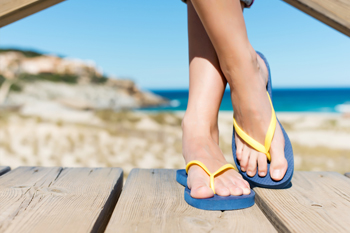 Many people choose to wear flip flops when the weather is warmer. Flip flops are easily worn, and are available in many styles and colors. However, despite their ease and popularity, wearing them frequently may wreak havoc on the feet. Patients can experience heel pain as a result of limited arch support. Additionally, the feet may become fatigued as the toes grasp to the shoes to keep them on the foot. There is typically a lack of cushioning in the heel area of the shoe, and cracked heels may develop as the skin becomes dry. It is beneficial to alternate wearing flip flops with a sandal that has a strap in the back, as this is generally helpful in providing the necessary support as daily activities are completed. It is suggested that you consult with a podiatrist who can discuss in depth how flip flops can affect the feet.
Flip-flops are not always the best choice of footwear. If you have any concerns about your feet or ankles, contact Dr. Joshua David Scoll from Pennsylvania. Our doctor will assist you with all of your foot and ankle needs.
Flip-Flops and Feet
When the weather starts warming up, people enjoy wearing flip-flops. Flip-flops are comfortable, stylish, and easy to slip on and off; they're perfect for any summer beach goer. However, these shoes can cause harm to the feet.
How Can Flip-Flops Affect Me Long-Term?
- Ankle problems
- Hip problems
- Lower back problems
- Pain in the balls of the feet
- Problems with foot arches
- Changes in the way you walk
Are There Injuries Associated with Flip-Flops?
Yes. Since flip-flops are relatively weak and do not provide the same amount of support as sneakers, people who wear flip-flops regularly are more susceptible to injuries. On top of that, the open nature of the shoe makes your feet more prone to other problems, such as cuts and even infections. Common injuries and ailments include:
- Sprained ankles
- Blisters
- Infections
- Cuts and Scrapes
I like Wearing Flip-Flops. Are There Safe Alternatives?
When buying flip-flops, try to find ones that have sturdy soles and that are made of high-quality materials that will support for your feet. These flip-flops will cost more but will also last longer as a result.
If you have any questions please feel free to contact one of our offices located in Philadelphia, Bensalem, and Fairless Hills, PA . We offer the newest diagnostic and treatment technologies for all your foot and ankle needs.
Can Shoes Cause an Ingrown Toenail to Develop?
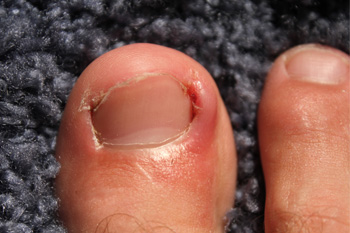 A common cause of ingrown toenails is wearing shoes that do not fit correctly. This condition can develop as a result of wearing certain types of shoes that do not have adequate room for the toes to move freely in. An ingrown toenail is defined as a nail that grows into the outer edges of the skin, and can generally cause pain and discomfort. Additional symptoms can include redness, swelling, and pus that may drain from an infected toenail. Moderate relief can be found when the impacted foot is soaked in warm water, which typically helps to soften the skin. It is beneficial to protect the nail by placing a bandage over it as daily activities are completed. If you notice signs of an ingrown toenail, please consult with a podiatrist who can offer correct treatment methods.
Ingrown toenails can become painful if they are not treated properly. For more information about ingrown toenails, contact Dr. Joshua David Scoll of Pennsylvania. Our doctor can provide the care you need to keep you pain-free and on your feet.
Ingrown Toenails
Ingrown toenails occur when a toenail grows sideways into the bed of the nail, causing pain, swelling, and possibly infection.
Causes
- Bacterial infections
- Improper nail cutting such as cutting it too short or not straight across
- Trauma to the toe, such as stubbing, which causes the nail to grow back irregularly
- Ill-fitting shoes that bunch the toes too close together
- Genetic predisposition
Prevention
Because ingrown toenails are not something found outside of shoe-wearing cultures, going barefoot as often as possible will decrease the likeliness of developing ingrown toenails. Wearing proper fitting shoes and using proper cutting techniques will also help decrease your risk of developing ingrown toenails.
Treatment
Ingrown toenails are a very treatable foot condition. In minor cases, soaking the affected area in salt or antibacterial soaps will not only help with the ingrown nail itself, but also help prevent any infections from occurring. In more severe cases, surgery is an option. In either case, speaking to your podiatrist about this condition will help you get a better understanding of specific treatment options that are right for you.
If you have any questions please feel free to contact one of our offices located in Philadelphia, Bensalem, and Fairless Hills, PA . We offer the newest diagnostic and treatment technologies for all your foot and ankle needs.
Possible Foot Conditions That Can Result From Standing
 Many people who stand and walk for the majority of the day for work may experience tired and aching feet. The feet are considered to be the foundation of the body, and people can generally feel tired when foot pain is present. Conditions that can occur as a result of standing for extended periods of time can include blisters and corns. It is also possible to develop the painful ailment that is known as plantar fasciitis. Relief may be found when shoes that are worn fit properly, in addition to soaking the feet at the end of the work day. Research has shown it is beneficial to perform gentle foot stretches throughout the day, and it may help to wear custom made orthotics. If you would like additional information about how to alleviate foot pain, please consult with a podiatrist for professional care.
While working on the feet, it is important to take the proper care of them. For more information about working on your feet, contact Dr. Joshua David Scoll from Pennsylvania. Our doctor will treat your foot and ankle needs.
Working on Your Feet
Standing on your feet for long periods of time can cause stress and pain in your feet. Your whole body may experience change in terms of posture, back pain, bunions, callouses and or plantar warts. There are ways to avoid these conditions with proper foot care, smart choices and correct posture.
Positive Changes
Negative heeled shoe – Choosing this shoe type places the heel slightly lower than the ball of the foot. These are great for overall foot health. Find shoes that fit you correctly.
Go barefoot – Our feet were not designed to be enclosed for all hours of the day. Try to periodically expose your feet to air.
Eliminate Pain
Foot Exercises – Performing simple exercises, incorporating yoga and doing stretches are beneficial. This will allow increased blood flow to the area and muscles of the foot.
Achilles tendon – Stretching the foot out flat on the floor will relax the calf muscles and tendon. These exercises can be performed almost anywhere. Make sure you add these exercises to your daily regimen.
With a little bit of this information and knowing more about foot health, you will notice changes. Foot stretches and proper footwear will help with pain and prevent further issues.
If you have any questions please feel free to contact one of our offices located in Philadelphia, Bensalem, and Fairless Hills, PA . We offer the newest diagnostic and treatment technologies for all your foot and ankle needs.
The Definition of Orthotics
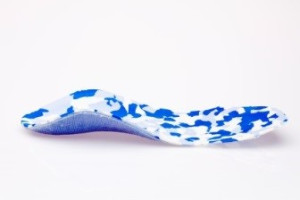 Orthotics are defined as insoles that are made specifically to fit your foot. They are helpful in providing support that is needed to correct certain foot and ankle conditions. Some of these can include bunions, flat feet, plantar fasciitis, and heel spurs. Wearing orthotics and performing foot stretches may eliminate the need for surgery, and it is advised to wear the correct type of insole designed to fit your foot. These can range from rigid to flexible, and the foot can begin to properly heal when the right style orthotic is determined. Orthotics can help to heal a variety of foot and ankle ailments, and it is suggested that you confer with a podiatrist who can determine if they are the right choice for you.
If you are having discomfort in your feet and would like to try orthotics, contact Dr. Joshua David Scoll from Pennsylvania. Our doctor can provide the care you need to keep you pain-free and on your feet.
What Are Orthotics?
Orthotics are inserts you can place into your shoes to help with a variety of foot problems such as flat feet or foot pain. Orthotics provide relief and comfort for minor foot and heel pain but can’t correct serious biomechanical problems in your feet.
Over-the-Counter Inserts
Orthotics come in a wide variety of over-the-counter inserts that are used to treat foot pain, heel pain, and minor problems. For example, arch supports can be inserted into your shoes to help correct overarched or flat feet, while gel insoles are often used because they provide comfort and relief from foot and heel pain by alleviating pressure.
Prescription Orthotics
If over-the-counter inserts don’t work for you or if you have a more severe foot concern, it is possible to have your podiatrist prescribe custom orthotics. These high-quality inserts are designed to treat problems such as abnormal motion, plantar fasciitis, and severe forms of heel pain. They can even be used to help patients suffering from diabetes by treating foot ulcers and painful calluses and are usually molded to your feet individually, which allows them to provide full support and comfort.
If you are experiencing minor to severe foot or heel pain, it’s recommended to speak with your podiatrist about the possibilities of using orthotics. A podiatrist can determine which type of orthotic is right for you and allow you to take the first steps towards being pain-free.
If you have any questions please contact one of our offices located in Philadelphia, Bensalem, and Fairless Hills, PA . We offer the newest diagnostic and treatment technologies for all your foot and ankle needs.
